Polycystic Ovary Syndrome (PCOS) is the most common hormonal disorder among Indian women of reproductive age. How common depends on who is studied and which criteria are used: a community study of Indian adolescents found 9.1% by Rotterdam criteria (Nidhi et al., Journal of Pediatric and Adolescent Gynecology, 2011, PMID 21600812), an urban Mumbai study of adolescent and young women found 22.5% (Joshi et al., Indian Journal of Endocrinology and Metabolism, 2014, PMID 24944925), and a meta-analysis of 11 Indian studies pooled the prevalence at about 11% (Bharali et al., Cureus, 2022, PMID 36628015). In other words, roughly 1 in 10 Indian women, at the upper end of the global range of 8-13%. Yet it remains widely misunderstood, often dismissed as “just irregular periods.”
If you’ve been told to simply “take birth control pills” or “just lose weight,” you’re not getting the full picture. PCOS is a complex, multi-system condition, and effective treatment requires understanding your specific driver.
PCOS in India: Why the Rates Are Higher
Indian women have disproportionately high PCOS rates for several interconnected reasons:
- Genetic predisposition to insulin resistance. In a clamp study of healthy men matched for age and body fat, Asian Indians were significantly more insulin resistant than Caucasians even after adjusting for total and truncal fat (Chandalia et al., Journal of Clinical Endocrinology and Metabolism, 1999, PMID 10404798). This means PCOS can develop even at a “normal” weight.
- Dietary shifts. The rapid transition from traditional whole-grain diets (ragi, jowar, bajra) to refined carbohydrates (maida, white rice, packaged foods) in urban India has increased the insulin burden.
- Sedentary lifestyles. Desk jobs, long commutes, and reduced physical activity compound insulin resistance.
- Delayed diagnosis. Many women discover PCOS only when trying to conceive, sometimes a decade after symptoms began. Irregular periods in teens are often brushed off as “normal for your age.”
- Stigma around symptoms. Facial hair, acne, weight gain, and hair thinning carry social stigma in India, which delays women from seeking help.
The good news: Indian kitchens also have some of the best PCOS-friendly foods in the world. Ragi, methi, haldi, dahi, jeera, and dal are not trendy superfoods. They are what your grandmother cooked with, and the science backs them up.
What Is PCOS?
Despite its name, PCOS is not primarily an ovarian problem. It’s a metabolic and hormonal condition that affects your entire body: your insulin levels, inflammation markers, stress hormones, gut health, skin, hair, weight, mood, and fertility. In fact, the international medical community recently renamed it PMOS (Polyendocrine Metabolic Ovarian Syndrome) to better reflect this reality.
The three core drivers are:
- Excess androgens (male hormones like testosterone)
- Insulin resistance (affects up to 70% of women with PCOS)
- Chronic low-grade inflammation
These three factors interact differently in different women, which is why there isn’t a one-size-fits-all treatment.
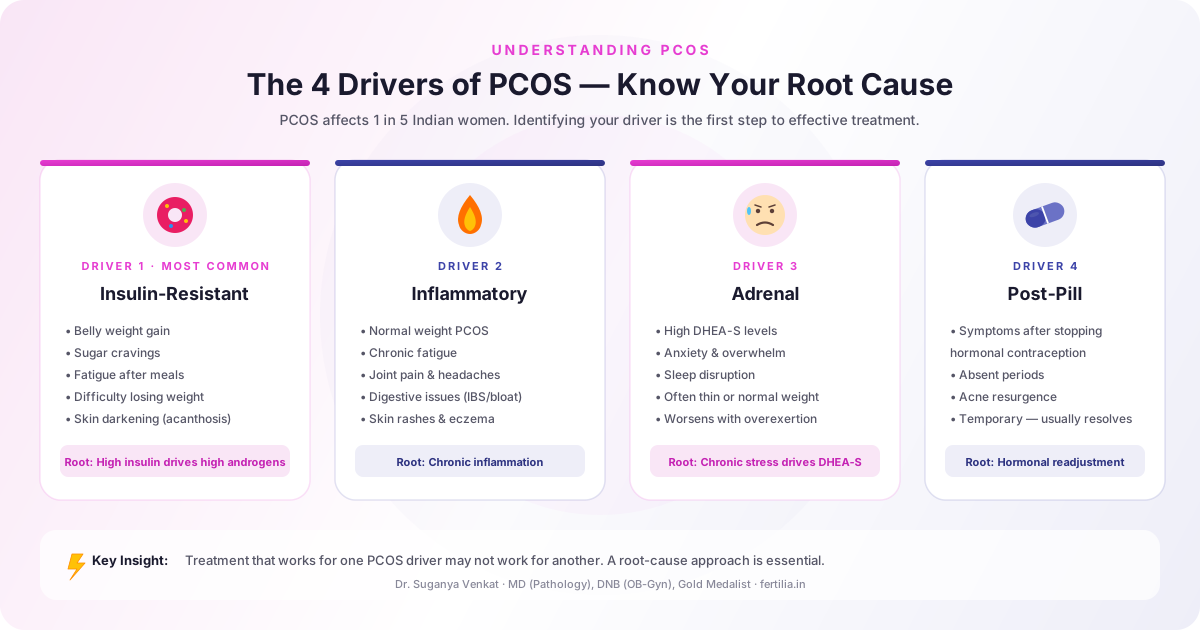
The 4 Drivers of PCOS
PCOS isn’t one uniform disease. It’s a single diagnosis (Rotterdam Criteria: any 2 of irregular ovulation, clinical or biochemical hyperandrogenism, and polycystic ovarian morphology) with several different underlying drivers. The four below are the ones we see most often in practice. This is a clinical organising frame, not a validated diagnostic classification: the individual mechanisms are well established in the research (insulin resistance, adrenal androgen excess, low-grade inflammation), but Rotterdam remains the only diagnostic standard, and one woman often has more than one driver at once. Understanding which driver is dominant for you is still the most useful step toward effective management, because each responds to a different set of interventions.
Driver 1: Insulin Resistance (Most Common)
This is by far the most prevalent driver, affecting roughly two-thirds of women with PCOS (64% by HOMA in DeUgarte et al., Fertility and Sterility, 2005, PMID 15866584; mechanism reviewed in Dunaif, Endocrine Reviews, 1997, PMID 9408743).
How it works: High insulin levels signal the ovaries to produce excess testosterone. This disrupts ovulation, promotes weight gain, and creates a cycle that’s difficult to break with willpower alone.
Key signs:
- Weight gain, especially around the abdomen
- Intense sugar and carb cravings
- Fatigue, especially after meals
- Difficulty losing weight despite effort
- Skin darkening in folds (acanthosis nigricans)
- Skin tags
What helps: Low-glycaemic diet, strength training, inositol supplementation, adequate sleep, reducing refined carbs and sugar.
Driver 2: Chronic Inflammation
Chronic low-grade inflammation contributes to both insulin resistance and excess ovarian androgen production (González, Steroids, 2012, PMID 22178787). This driver is often missed because many women with inflammation-dominant PCOS are not overweight.
Key signs:
- Fatigue that doesn’t improve with rest
- Joint pain, headaches
- Skin issues, eczema, rashes, unexplained hives
- Digestive problems, bloating, IBS-like symptoms
- Elevated CRP or ESR in blood tests
What helps: An anti-inflammatory pattern of eating (omega-3 from fish, flax, or walnuts; haldi; leafy greens; adequate protein and fibre), good sleep, stress reduction, and getting any actual gut diagnosis (IBS, coeliac disease) properly assessed rather than chasing food-sensitivity panels.
Driver 3: Adrenal Androgen Excess
This driver is fuelled by chronic stress rather than insulin. The adrenal glands produce excess DHEA-S (an androgen), while testosterone from the ovaries often remains relatively normal. DHEA-S excess is found in roughly 20-30% of women with PCOS (Kumar et al., Clinical Endocrinology, 2005, PMID 15943823).
Key signs:
- Elevated DHEA-S with normal testosterone
- High anxiety and feeling of overwhelm
- Sleep disruption
- Often thin or normal weight
- Symptoms worsen during stressful periods
What helps: Stress management (meditation, pranayama, yoga nidra), sleep optimisation, avoiding over-exercising. There is no good PCOS trial evidence for adaptogens such as ashwagandha or shatavari; if you want to try them, do it with your doctor’s knowledge, not instead of the basics.
Driver 4: Post-Pill Hormonal Rebound
⚠️ Important: Post-pill rebound symptoms may not be true PCOS, and they are often transient while the hypothalamic–pituitary–ovarian axis re-establishes its natural rhythm after hormonal contraception. If your cycles and symptoms normalise within 3–12 months of stopping the pill, you most likely did not have underlying PCOS. A formal re-diagnosis using the Rotterdam Criteria is worth doing before assuming this driver is permanent.
These symptoms appear after discontinuing hormonal contraceptives. The body needs time to re-establish its natural hormonal rhythm, and some women develop temporary PCOS-like symptoms during this transition.
Key signs:
- Periods don’t return for months after stopping the pill
- Acne resurgence
- Hair thinning
- LH:FSH ratio may be elevated temporarily
What helps: Patience (it can take 3–12 months), balanced nutrition, adequate sleep, and re-evaluation with your doctor if cycles haven’t normalised by the 12-month mark.
Common PCOS Symptoms at a Glance
Not every woman experiences all symptoms. But if you have three or more of these, it’s worth getting evaluated:
- Irregular periods (cycles longer than 35 days or fewer than 8 cycles/year)
- Absent periods (amenorrhoea)
- Heavy or prolonged bleeding
- Acne, especially along the jawline and chin
- Excess facial or body hair (hirsutism)
- Hair thinning or loss on the scalp
- Weight gain or extreme difficulty losing weight
- Mood swings, anxiety, or depression
- Fatigue and brain fog
- Difficulty conceiving
Not sure which PCOS driver applies to you? Dr. Suganya can review your reports and help you understand exactly what’s driving your symptoms, so your treatment targets the root cause, not just the surface.
How PCOS Affects Your Menstrual Cycle
The most visible symptom of PCOS is irregular or absent periods. Here is what happens inside your body:
In a healthy cycle, rising FSH tells a group of follicles to grow. One becomes dominant, oestrogen peaks, LH surges, and the dominant follicle releases an egg. That is ovulation. After ovulation, the empty follicle produces progesterone, which thickens the uterine lining. If there is no pregnancy, progesterone drops and you get your period.
With PCOS, excess androgens and insulin disrupt this sequence. Multiple follicles start developing but none becomes dominant enough to ovulate. Without ovulation, there is no progesterone rise and no period. The follicles stall part-grown and stay visible on the ovary, which is what the ultrasound picks up and the scan report calls “polycystic morphology.” They are not true cysts, which is why the name is misleading.
This is why many women with PCOS have cycles longer than 35 days, or skip periods for months at a time. The periods that do come are often heavy because the endometrial lining has been building up without the regular progesterone-driven shedding.
The practical takeaway: irregular periods are not the disease, they are the signal. The disease is the hormonal imbalance driving the failed ovulation. Fixing the driver (insulin, inflammation, stress) restores ovulation, which restores periods naturally. For a deep dive, read PCOS and Periods: Why They Go Missing.
PCOS and Fertility
PCOS is one of the most treatable causes of female infertility. The reason is straightforward: the problem is usually anovulation (not ovulating), and ovulation can often be restored.
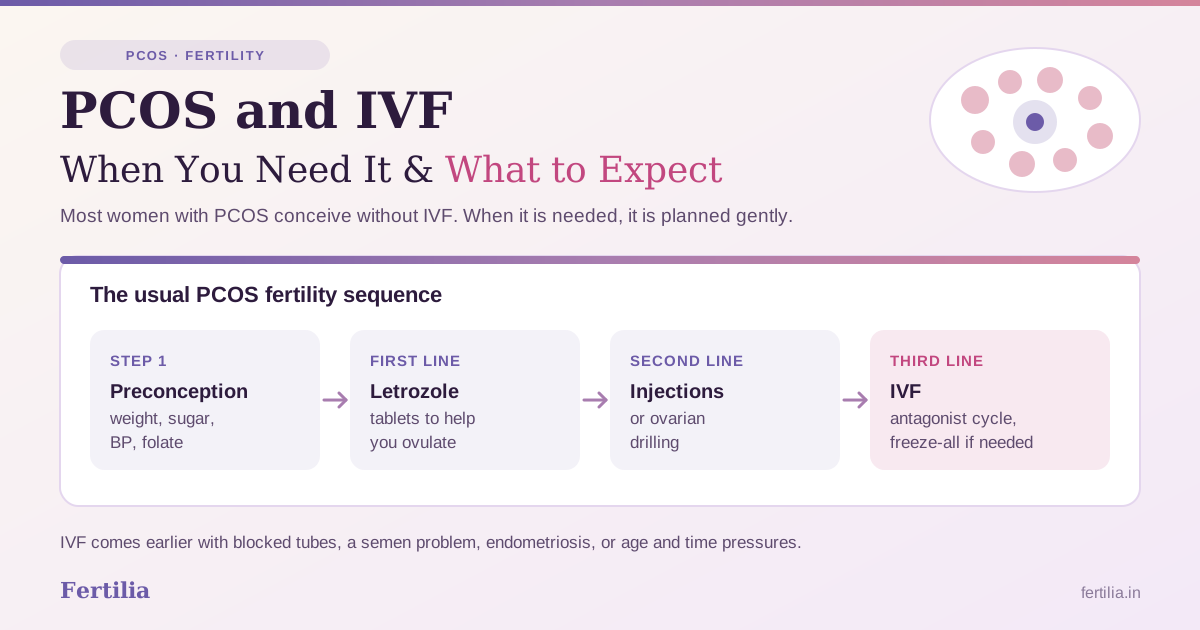
The treatment escalation that most fertility specialists follow:
- Lifestyle changes first. Weight loss of even 5-7% can restore ovulation in insulin-resistant PCOS. Diet, exercise, and sleep improvements often bring back natural cycles within 2-3 months.
- Ovulation induction. If lifestyle alone is not enough, medications like Letrozole or Clomiphene stimulate the ovaries to ovulate. In the largest head-to-head trial in women with PCOS, letrozole produced ovulation in about 62% of treatment cycles and a cumulative live-birth rate of 27.5% over up to five cycles, against 19.1% with clomiphene (Legro et al., New England Journal of Medicine, 2014, PMID 25006718).
- IUI (intrauterine insemination). Combining ovulation induction with timed insemination. Read the IUI vs IVF comparison.
- IVF. Reserved for when simpler approaches have not worked or when there are additional factors like tubal damage or severe male factor.
Many women with PCOS are told early on that they “need IVF.” In our practice, the majority conceive with steps 1 or 2. IVF is rarely needed as a first-line treatment for PCOS-related infertility.
Real examples: Nisha conceived naturally after PCOS symptom reversal. Aishwarya and Prakash went from PCOS to baby. For the step-by-step approach, read PCOS and Pregnancy: How to Conceive Naturally.
Why Medication Alone Isn’t Enough
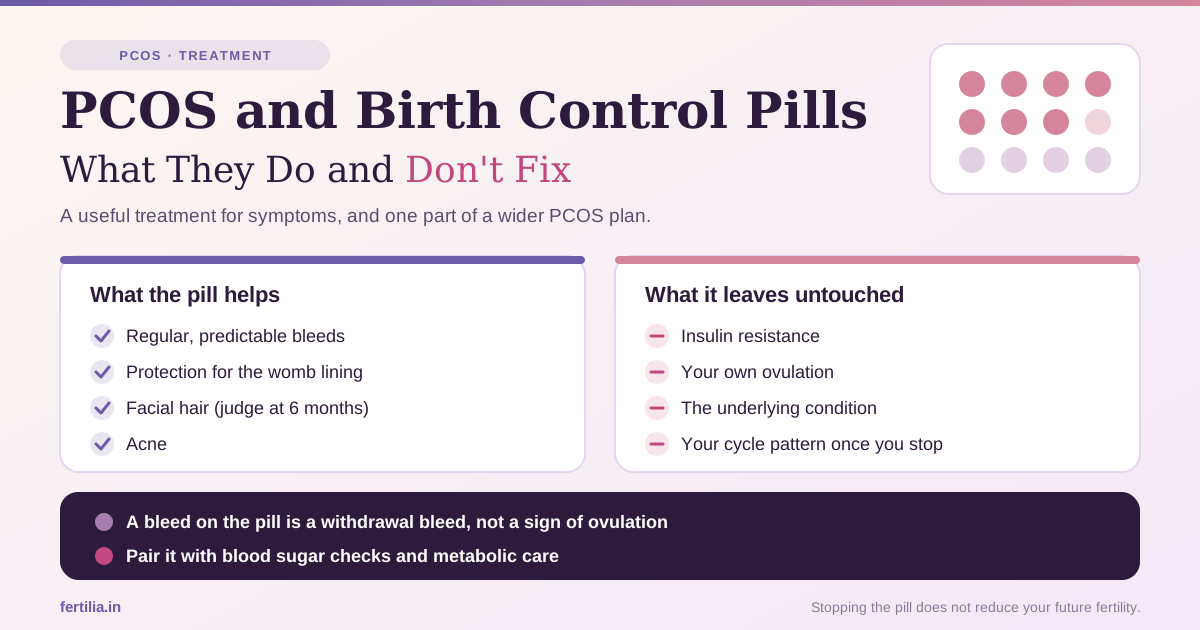
Birth control pills are the most commonly prescribed treatment for PCOS in India. While they can regulate periods and reduce acne, they mask symptoms without addressing the root cause.
Common issues with a medication-only approach:
- Symptoms return (often worse) when you stop the pill
- The pill does not treat insulin resistance, so whatever is happening metabolically continues in the background, unmeasured
- Inflammation goes unaddressed
- The gut microbiome (which plays a role in hormone metabolism) is not supported
- Nutritional deficiencies may be worsened by long-term pill use
A comprehensive approach should include:
| Pillar | What It Addresses |
|---|---|
| Nutrition | Insulin sensitivity, inflammation, gut health |
| Movement | Insulin regulation, stress relief, hormonal balance |
| Stress Management | Cortisol-androgen connection |
| Sleep | Hormone production and recovery |
| Supplements | Targeted support for your specific PCOS driver |
| Medical Treatment | When needed, alongside lifestyle changes |
What Tests Should You Get?
If you suspect PCOS, ask your doctor for these investigations:
- Hormonal panel: LH, FSH, testosterone (total and free), DHEA-S, prolactin
- Metabolic panel: fasting insulin, fasting glucose, HbA1c, lipid profile
- Thyroid function: TSH, free T3, free T4 (thyroid issues can mimic PCOS)
- Inflammatory markers: CRP, ESR
- Vitamin levels: Vitamin D, B12, iron/ferritin
- Pelvic ultrasound: to check ovarian morphology
Can PCOS Be Reversed?
“Reversal” means different things in different contexts. While PCOS may have a genetic component, the symptoms can absolutely be managed and even resolved with the right approach.
Women in our programs have experienced:
- Natural period restoration, many for the first time in years
- Sustainable weight loss without extreme dieting
- Clear skin without dependence on medication
- Natural conception after being told they’d need IVF
- Dramatic improvement in energy and mood
The key is addressing your specific root cause, not following generic advice.
Wondering whether that means coming off the pill or skipping metformin altogether? That is a separate, important question, covered in detail in Can PCOS be cured naturally without medication?, which walks through who can realistically manage PCOS with lifestyle alone and when medicine genuinely helps.
The Indian Diet Approach to PCOS
Indian kitchens already have some of the best PCOS-friendly ingredients. The foundation is simple: protein at every meal, whole grains instead of refined, and consistent meal timing.
What to build your meals around:
- Millets: Ragi (364mg calcium per 100g, low GI), jowar roti (10.4g protein per 100g), bajra
- Dals and legumes: Moong dal, masoor dal, chana, rajma for plant protein at every meal
- Seeds: Flaxseeds (1 tbsp ground daily for omega-3 and lignans), til for calcium and iron
- Spiced waters: Methi water for blood sugar support, jeera water for digestion
- Anti-inflammatory foods: Haldi in cooking, haldi milk before bed, fresh ginger, curry leaves
- Fermented foods: Buttermilk (chaas), idli and dosa batter, homemade dahi
What to reduce: Refined maida (white bread, naan, biscuits), white sugar (switch to jaggery in moderation), sugary drinks, deep-fried snacks, excessive caffeine.
For complete meal plans, read our PCOS Diet Chart and 20 PCOS-Friendly Breakfast Ideas.
Exercise That Helps PCOS
The right exercise directly improves insulin sensitivity, which addresses the root driver in 70% of PCOS cases. But the type matters more than the intensity.
What works:
- Strength training (2-3 times per week): builds muscle, which improves insulin sensitivity 24/7, not just during the workout. Bodyweight exercises, resistance bands, or gym weights all count.
- Walking (30-40 minutes daily): the most underrated PCOS intervention. A walk after a meal meaningfully blunts the rise in blood sugar from that meal.
- Yoga and pranayama: directly addresses the cortisol-androgen pathway. Particularly helpful for adrenal-driven PCOS.
What to avoid: excessive cardio (long runs, HIIT daily) without recovery. Over-exercising raises cortisol, which makes things worse when adrenal androgens are the driver. Three to four days of structured exercise with rest days is the sweet spot.
For a detailed plan, read Best Exercise for PCOS.
PCOS and Mental Health
PCOS affects more than your body. A meta-analysis found that women with PCOS have roughly four times the odds of depressive symptoms and five to six times the odds of anxiety symptoms compared with women without it (Cooney et al., Human Reproduction, 2017, PMID 28333286). The reasons are both biological (insulin dysregulation affects mood-regulating neurotransmitters) and psychological (dealing with weight gain, acne, hair loss, and fertility concerns takes a real toll).
What we see in clinic:
- Body image struggles from weight gain and hirsutism
- Anxiety about fertility, especially when told “you might not be able to conceive”
- Frustration when the pill was started without anyone explaining what it does and does not fix
- Social isolation from feeling different or misunderstood
This is not in your head. It is a documented, well-studied part of PCOS. And it matters clinically because chronic stress worsens insulin resistance and raises androgens, creating a vicious cycle.
What helps: acknowledge the emotional impact, build a support system, consider therapy or counselling if anxiety or low mood persists, and know that the physical improvements (better skin, regular periods, weight changes) often bring significant emotional relief too. At Fertilia, mental health support is built into the 90-day program because treating PCOS without addressing the emotional toll is incomplete.
Long-term Health: Why Early Management Matters
PCOS is not just a reproductive condition. The same metabolic disruptions that cause irregular periods also affect long-term health if left unmanaged:
- Type 2 diabetes: women with PCOS have roughly four times the odds of type 2 diabetes (OR 4.43 in a meta-analysis of 35 studies; Moran et al., Human Reproduction Update, 2010, PMID 20159883). Insulin resistance, if not addressed, can progress to prediabetes and diabetes over the years.
- Cardiovascular risk: higher rates of dyslipidaemia (abnormal cholesterol), hypertension, and metabolic syndrome.
- Endometrial health: chronic anovulation means the uterine lining builds up without regular shedding, which over many years increases endometrial cancer risk. Regular periods (whether natural or medication-induced) protect against this.
The empowering part: these are all preventable. The same lifestyle changes that restore your periods today protect your metabolic health for decades. Women who manage their PCOS in their twenties and thirties have dramatically lower rates of diabetes and heart disease in their forties and fifties.
Start Taking Control
PCOS doesn’t have to define your health, your weight, or your fertility. With the right understanding of your dominant driver and a personalised plan, your body can find its balance again.
The first step is always awareness. Now you have it.
If you’re also struggling with weight, read our guide on PCOS and weight loss. If fertility is your concern, here’s how to boost fertility naturally or understand your treatment options.
Explore PCOS (PMOS) in Depth
This guide is the overview. These are the detailed walkthroughs for each part of understanding and managing PCOS.
Understanding PCOS (PMOS)
- Why PCOS is different in Indian women
- Insulin resistance and PCOS: signs, diet and what to do
- PCOS and thyroid: when they come together
- Why PCOS needs ongoing care, not a one-time fix
- Can PCOS be reversed? An honest answer
The 2026 PMOS rename
- PCOS renamed PMOS: the new official name
- PMOS vs PCOS vs PCOD: same condition, new name
- The Lancet PMOS paper: 5 takeaways
Symptoms and signs
- Missed periods: why they stop and how to restore them
- PCOS acne: why it happens and what treats it
- Facial hair and hirsutism
- Excess hair growth: why and what stops it
- Scalp hair loss and thinning
- Dark neck (acanthosis nigricans) and insulin resistance
- PCOS belly: why it happens and how to reduce it
- Why PCOS makes weight loss so hard
Diet and lifestyle
- PCOS diet chart: an Indian meal plan
- PCOS-friendly Indian breakfast ideas
- Anti-inflammatory diet for PCOS and fertility
- Best exercise for PCOS
- Seed cycling for PCOS: a 28-day plan
- IgG food sensitivity test: what it really shows
Treatment and medication
- Metformin for PCOS: who needs it
- Letrozole for PCOS: dose and success rate
- Managing PCOS without medication
- What to track between doctor visits
Frequently Asked Questions
Can PCOS be cured permanently?
PCOS is a lifelong condition, but it can be managed so effectively that symptoms disappear. The goal isn’t “cure”, it’s understanding your body’s drivers and building a lifestyle that keeps them in check. Many women live symptom-free for years with the right approach. As you enter your 40s, PCOS symptoms often shift as perimenopause begins, understanding the stages of menopause helps you prepare for that transition.
Do I need medication for PCOS?
Not always. Many women manage PCOS effectively through diet, exercise, and lifestyle changes alone, especially those with insulin-driven PCOS. Medication helps when lifestyle changes aren’t enough, or for specific goals like conceiving. Your approach should match your driver.
Can I get pregnant with PCOS?
Yes. PCOS is one of the most treatable causes of infertility. Many women conceive naturally once ovulation is restored through weight management and lifestyle changes. Others need medication like Letrozole or Clomiphene. IVF is rarely needed as a first step. Our step-by-step guide to conceiving naturally with PCOS walks through the order we use.
What diet is best for PCOS?
There’s no single “PCOS diet.” The right approach depends on your driver. Insulin-driven PCOS benefits from lower-glycaemic foods and regular meals. When inflammation is the driver, anti-inflammatory foods (haldi, omega-3, greens) help most. Start with more protein at every meal, reduce refined carbs, and add ragi, dal, and vegetables.
Is PCOS the same as PCOD?
They’re often used interchangeably in India, but technically PCOD (polycystic ovarian disease) is a broader term. PCOS is a metabolic syndrome diagnosed via the Rotterdam Criteria (2 of 3: irregular periods, high androgens, polycystic ovaries on ultrasound). The treatment approach is the same.
Should I take supplements for PCOS?
Some supplements have good evidence: inositol (especially myo-inositol), vitamin D, omega-3, and magnesium. But supplements work best alongside diet and lifestyle changes, not as a replacement. Always consult your doctor before starting.
How is PCOS diagnosed?
PCOS is diagnosed using the Rotterdam Criteria. You need at least 2 of these 3: irregular or absent periods, signs of high androgens (acne, hirsutism, or elevated testosterone on blood work), and polycystic ovaries on ultrasound. Importantly, you do NOT need cysts on your ovaries to have PCOS, and having cysts alone doesn’t mean you have PCOS.
Does PCOS cause weight gain or does weight gain cause PCOS?
Both can be true. Insulin resistance (common in PCOS) promotes weight gain, especially around the belly. At the same time, excess weight worsens insulin resistance, which worsens PCOS symptoms. It becomes a cycle. The good news: even 5-7% weight loss can significantly improve hormonal balance and symptoms.
Should I take birth control pills for PCOS?
Birth control pills can effectively manage symptoms like irregular periods, acne, and excess hair growth. However, they don’t address the root cause. They mask symptoms. When you stop the pill, symptoms often return. Pills can be part of a treatment plan, but ideally alongside lifestyle changes that address the underlying driver.
Take Control of Your PCOS
Dr. Suganya Venkat has helped hundreds of women with PCOS find their root cause and build a plan that actually works, without crash diets or generic advice.
₹399 consultation · Personalised to your PCOS driver · Evidence-based
Start a conversation on WhatsApp →
The treatment side of everything above is what Dr. Suganya’s 90-day PCOS Symptom Reversal program is built around.
Related Reading
- Insulin Resistance & PCOS: Signs, Diet & What to Do, the #1 driver behind most PCOS symptoms
- Irregular Periods: Causes, When to Worry & What Helps, the most common PCOS symptom explained
- Metformin for PCOS: Benefits, Side Effects & Dose, when medication is part of the plan
- PCOS & Pregnancy: How to Conceive Naturally, step-by-step fertility guide for PCOS
- AMH Test Cost in India: Price, Results & Meaning, PCOS often causes abnormally high AMH
- PCOS Weight Loss: What Actually Works, evidence-based weight management for PCOS
- PCOS Hair Growth: Why It Happens & What Works, managing hirsutism and hair loss
- PCOS Belly: Why It Happens & How to Reduce It, the insulin-belly fat connection
- Seed Cycling for PCOS: Does It Actually Work?, separating evidence from Instagram claims
- PCOS-Friendly Indian Breakfast Ideas, 20 practical recipes
- PCOS Facial Hair: Causes & Treatments, timeline for what works
- Thyroid & Fertility: How It Affects Conception, thyroid and PCOS often overlap
- Multidisciplinary Care for Hormonal Health, how the whole picture fits together