You walk into the kitchen and forget why you came in. You lose the word you wanted mid-sentence. You read the same WhatsApp message three times and still cannot hold on to what it said. You used to be sharp at work, and now you feel a step behind.
Women with PCOS tell me this every week. Some of them apologise for it, as if it is a character flaw. A few of them are quietly frightened, wondering if something serious is happening to their memory. And almost all of them have never been told that this fogginess is connected to the same condition they are already managing.
Some women call it “brain rot,” or say their brain feels like mush. Whatever you call it, brain fog with PCOS is real, it has a physiological explanation, and it is not a permanent state. Here is what is actually going on, and what helps.
First: You Are Not Imagining It
For a long time, brain fog was dismissed as stress or “just being busy.” The research now tells a different story.
Women with PCOS, on average, perform less well than women without PCOS on cognitive tests measuring attention, memory, executive function (planning and organising), and verbal fluency (finding words quickly). A 2024 narrative review in the Journal of Endocrinological Investigation gathered this evidence together, and functional MRI studies have shown differences in how the brain uses energy in women with PCOS compared to those without.
I share this not to worry you, but for the opposite reason. When something you feel is finally validated by evidence, it stops being a private failing and becomes a medical problem with a cause. And problems with causes have solutions.
Brain fog is not a marker of your intelligence. It is a symptom, in the same way that irregular periods and stubborn weight are symptoms. It travels with PCOS because it shares the same roots.
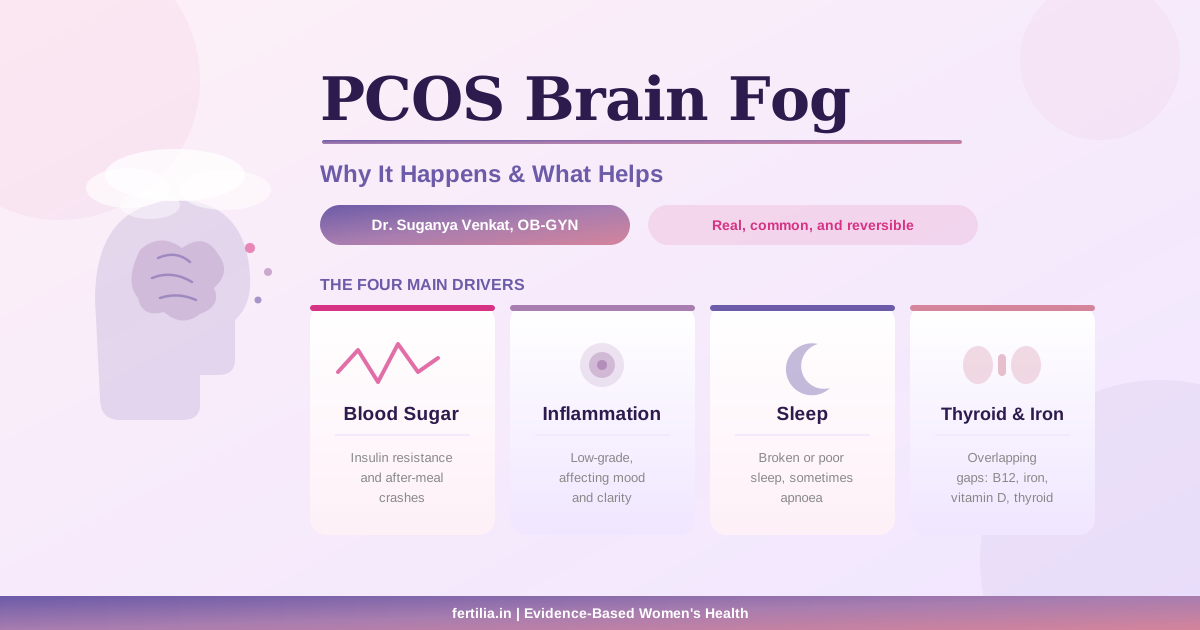
Why PCOS Causes Brain Fog: The Four Main Drivers
1. Insulin resistance and blood sugar swings
Roughly 70 to 80 percent of women with PCOS have insulin resistance, including many who are not overweight (Dunaif, Endocrine Reviews 1997). Your brain runs almost entirely on glucose, and it is extremely sensitive to how steadily that glucose arrives.
When insulin is not working efficiently, your blood sugar tends to spike after a carbohydrate-heavy meal (idli, dosa, white rice, biscuits with chai) and then crash an hour or two later. That crash is when the fog rolls in: the drowsiness after lunch, the 4 PM blankness, the sudden inability to concentrate. Your brain is not getting a smooth fuel supply, so it cannot hold a steady level of focus.
This is why so many women notice their fog is worst after a big rice meal, and why steadying blood sugar is the single most effective place to start. For the full picture of how insulin drives PCOS, read our guide to insulin resistance and PCOS.
2. Low-grade inflammation
PCOS involves chronic low-grade inflammation, with raised inflammatory markers even in women who are lean (González, Steroids 2012). Inflammatory signalling molecules affect the brain too, influencing mood, motivation, and the mental sharpness we call clarity. This overlap is part of why brain fog, low mood, and fatigue so often show up together in PCOS rather than one at a time.
3. Poor and broken sleep
PCOS raises the risk of sleep problems, including obstructive sleep apnoea, where breathing is repeatedly interrupted through the night. Even without apnoea, many women with PCOS sleep poorly. And nothing produces brain fog faster than fragmented sleep: memory consolidation, attention, and word recall all depend on the deep sleep you are missing. If you snore, wake unrefreshed, or feel sleepy through the day, sleep is worth investigating as a direct cause of your fog.
4. Overlapping thyroid and nutrient gaps
PCOS rarely travels alone. Up to a quarter of women with PCOS have thyroid autoimmunity, and an underactive thyroid produces classic brain fog, sluggishness, and cold sensitivity. Iron deficiency (very common with heavy periods), vitamin B12 deficiency, and vitamin D deficiency each independently cause fogginess and fatigue.
These are the deficiencies I check when a woman with PCOS tells me she is foggy and tired, because they are common, correctable, and routinely missed. Our 3-test checklist for constant tiredness covers exactly what to ask for, and vitamin B12 deficiency in women explains one of the most under-tested causes of fog.
Not Sure Which Driver Is Behind Your Fog?
Brain fog in PCOS usually has more than one cause working together. A short conversation can help us map out which tests and changes matter most for your history.
How to Clear PCOS Brain Fog
The encouraging part is that every one of these drivers responds to the same core habits that improve PCOS overall. You are not treating your brain separately. You are treating the condition, and your clarity comes back with it.
Steady your blood sugar
This is the highest-yield change, and you can start it today.
- Eat protein first. Before the rice or roti, eat the dal, egg, paneer, curd, or sprouts on your plate. Protein first blunts the blood sugar spike that follows the carbohydrate.
- Do not eat carbohydrates alone. A plain biscuit or a bowl of white rice on its own gives the sharpest spike and crash. Pair carbohydrates with protein, fibre, or fat: dosa with sambar and a boiled egg, rice with dal and a vegetable, fruit with a handful of nuts.
- Swap in slow carbohydrates. Ragi, whole millets like bajra and jowar, oats, and whole dals release glucose slowly and keep your brain fuelled evenly. Our insulin resistance guide has the full food list.
- Move after meals. A 10 to 15 minute walk after lunch or dinner helps your muscles pull glucose out of the blood, smoothing the after-meal dip that causes the fog.
Fix the correctable deficiencies
Ask your doctor for a serum ferritin (iron stores), a full thyroid panel (not TSH alone), vitamin B12, and 25(OH) vitamin D. These are inexpensive, and any one of them, when low, can be the difference between foggy and clear. If you have heavy periods, iron is especially worth checking.
Protect your sleep
- Keep a consistent sleep and wake time, even on weekends.
- Stop screens 30 to 45 minutes before bed; the late-night phone scroll is both a sleep-stealer and, ironically, the “brain rot” many women blame for their fog.
- If you snore, wake gasping, or feel unrefreshed despite enough hours, ask about a sleep assessment, as sleep apnoea is treatable and common in PCOS.
Move your body regularly
Regular exercise improves insulin sensitivity, lowers inflammation, and directly boosts the brain chemicals involved in focus and mood. It does not have to be intense. A brisk daily walk, yoga, or strength work twice a week all help. For more on this, see why PCOS makes weight loss so hard and what helps, which covers the same insulin-first approach.
Lower the inflammatory and stress load
Chronic stress raises cortisol, which worsens both insulin resistance and sleep, feeding straight back into the fog. Simple daily anchors help: a few minutes of slow breathing, time outdoors, and protecting even one pocket of rest in your day. Many women with PCOS also carry a heavy invisible workload, which is its own drain on mental bandwidth; our piece on burnout and the mental load speaks to this directly.
When to Get It Checked Properly
Brain fog is usually a metabolic and lifestyle problem, not a neurological one. But it is worth speaking to a doctor if:
- The fog is getting steadily worse rather than fluctuating with your meals and sleep
- It comes with low mood, loss of interest, or anxiety that is affecting your daily life (this can point to depression or an anxiety disorder, both treatable, see depression in women)
- You have symptoms of an underactive thyroid: weight gain, constipation, cold intolerance, hair thinning, alongside the fog, see PCOS and thyroid
- You have heavy periods and signs of anaemia (breathlessness, pallor, palpitations) along with the fog
None of this is cause for alarm. It is simply a signal to run a few basic tests so the real driver is treated, rather than being told your bloodwork is “normal” and left to push through.
A Realistic Timeline
Most women notice their fog begins to lift within a few weeks of steadying their blood sugar and correcting any deficiency. Vitamin D and B12 improvements are usually felt within 4 to 8 weeks; iron repletion takes 2 to 3 months for stores to normalise, with some improvement earlier; thyroid treatment, if needed, takes 6 to 8 weeks to settle.
Clarity does not usually return in a single dramatic moment. It returns quietly: one afternoon you realise you did not hit the 4 PM wall, or you finish a task you would have abandoned a month ago. That is the fog receding.
PCOS Brain Fog Does Not Have to Be Your Normal
If you have been living with PCOS and the fog that comes with it, you do not have to accept it as just how your mind works now. Our team at Fertilia helps women address the drivers behind PCOS, including the ones that steal your focus, with a plan built around your life and your food.
You can also download our free PCOS Reversal Guide to start on the food and lifestyle side right away.
Frequently Asked Questions
Is brain fog a real symptom of PCOS?
Yes. While brain fog is not a formal diagnostic criterion for PCOS, women with PCOS consistently report it, and cognitive testing backs it up: studies find lower average scores on attention, memory, and verbal fluency in women with PCOS compared to those without. The likely causes are insulin resistance and blood sugar swings, chronic low-grade inflammation, poor sleep, and overlapping thyroid or nutrient deficiencies, all of which are common in PCOS.
Will my brain fog go away if I manage my PCOS?
For most women, yes. Brain fog in PCOS is driven by modifiable factors. When you steady your blood sugar, correct deficiencies like iron, B12, vitamin D, and thyroid, and improve your sleep, focus and memory usually improve alongside your other PCOS symptoms. It is not a permanent or worsening loss of function.
Why is my brain fog worse after meals?
Because a carbohydrate-heavy meal (white rice, refined flour, sweets) causes a sharp blood sugar spike followed by a crash, and your brain feels that crash as drowsiness and blankness. Eating protein and fibre before your carbohydrates, choosing slow carbohydrates like ragi and millets, and taking a short walk after eating all reduce this after-meal fog.
Can PCOS brain fog be a sign of something more serious?
Brain fog itself is usually metabolic, not neurological. But it can point to a treatable overlapping condition such as an underactive thyroid, iron-deficiency anaemia, B12 deficiency, or depression. This is why a few basic blood tests are worth doing rather than pushing through. If the fog is steadily worsening or comes with significant low mood, see a doctor.
Does metformin help with PCOS brain fog?
Metformin improves insulin sensitivity, and because insulin resistance is one of the drivers of PCOS brain fog, some women do notice better clarity when their blood sugar is better controlled. Metformin is a valid medical tool your doctor may prescribe, and it works best alongside the dietary and sleep changes described here, not instead of them. Whether it is right for you is a decision for your treating doctor based on your full picture.
I have PCOS and I feel foggy and low. Is it brain fog or depression?
They can overlap and can also be separate. Brain fog tends to fluctuate with meals and sleep and is mainly about concentration and memory. Depression is more persistent and involves low mood, loss of interest, changes in sleep and appetite, and sometimes hopelessness. Both are common in PCOS and both are treatable. If low mood, loss of interest, or anxiety is affecting your daily life, please speak to a doctor; our guide to depression in women explains when to seek help.
What is the fastest thing I can do today to feel less foggy?
Eat protein before your carbohydrates at your next meal, and take a 10-minute walk after it. This blunts the blood sugar spike and crash that produces the sharpest fog. Alongside that, protect your sleep tonight by putting the phone away 30 minutes before bed. These are small changes, and they compound over the following weeks.
Dr. Suganya Venkat is an OB-GYN with 15+ years of clinical experience. DNB OB-GYN (GKNM, Coimbatore) · MD Pathology (CMC Vellore) · MBBS with 5 Gold Medals (SRMC). She founded Fertilia to provide holistic, evidence-based care for fertility, PCOS, pregnancy, and postpartum recovery.
Related Reading
- Insulin Resistance & PCOS: Signs, Diet & What to Do, the driver behind most PCOS symptoms, including the fog
- Why You’re Tired All the Time: An OB-GYN’s 3-Test Checklist, the ferritin, thyroid, and vitamin D tests that explain most fatigue and fog
- PCOS and Thyroid: When They Come Together, how an overlapping thyroid problem adds to the fog
- PCOS: Symptoms, Root Causes & Treatment, the complete picture of PCOS drivers and how they connect