A Healthy Pregnancy, Guided by Expertise
Personalised care and guidance from conception through delivery, so you can enjoy your pregnancy with confidence and calm.

Investment in Yourself
90-day program pricing
Choose the option that applies to you. Pricing is the same program; only the currency and payment options differ.
one-time fee · 90-day program
- Trimester-by-trimester guidance
- Lactation prep before delivery
- Daily WhatsApp support
Payment: UPI · Card · Bank Transfer
Enrol via WhatsAppone-time fee · 90-day program
- Fully online, works anywhere
- Lactation prep before delivery
- Daily WhatsApp support
Payment: USD Bank Transfer · International Card · INR via PhonePe or Bank Transfer
Enrol via WhatsAppLimited to 20 women per month
Small batch by design, so each woman gets proper attention from Dr. Suganya and the team.
Pregnancy Shouldn't Feel Overwhelming
Between conflicting advice from family, the internet, and rushed doctor visits, pregnancy can feel confusing and stressful. What should you eat? What exercises are safe? How do you manage nausea, fatigue, or gestational diabetes?
Fertilia's Pregnancy Support Program gives you a single, trusted team to guide you through every trimester, with personalised advice, meal tracking, yoga sessions, and continuous support.
As one of our mothers said: "The daily affirmations, frequent check-ins on diet, and guidance on labour and pain helped me feel confident and in control throughout."
What's Included
Your 90-Day Program
Trimester-wise Guidance
Specific care plans for each stage of your pregnancy, evolving as your body changes.
Nutrition Planning
What to eat (and avoid) for optimal fetal development, energy, and maternal health.
Safe Exercise & Pelvic Floor Prep
Trimester-appropriate movement (yoga, walking, strength) plus pelvic-floor and birth-preparation physiotherapy with Dr. Maitri Daga.
Symptom Management
Natural approaches to nausea, back pain, sleep issues, gestational diabetes, and more.
Emotional Wellbeing
Stress management, daily affirmations, relaxation techniques, and mental health support.
Birth Preparation
Guidance on labour management, pain management, and preparing for delivery.
Monthly Doctor Consultations
Regular sessions with Dr. Suganya Venkat for clarity, confidence, and medical guidance.
WhatsApp Support
The Fertilia team is always available for questions, doubts, and reassurance.
What your 90 days feel like
You won't be walking this alone
The hardest part of a health journey was never the first day. It's the evening in week six when work runs late, the festival week when every plan goes sideways, the morning the motivation just isn't there. That's the moment most people are left to manage on their own. It's the exact moment we don't leave you.
Built around you, and it keeps changing
Your plan is shaped to your body, your routine, and your life, never a template. As the weeks unfold and things shift, the plan shifts with you.
The hard days are part of it
A missed week, a stretch of travel, a low patch. None of it means you've failed. It means it's time to tell us, so we can adjust and keep you moving.
You're never figuring it out alone
If the plan feels hard, we change it. If you're overwhelmed, we're on WhatsApp. If a new concern comes up, the doctor is right here. Someone is always beside you.
This was never about being perfect for 90 days. It's about not being alone while you stay consistent, and that's the part that actually changes things.

Manisha
Nutritionist at Fertilia
Is This Right For You?
This Program Is For You If…
You're newly pregnant and want expert guidance from the start
You have a high-risk pregnancy and need extra support
You want personalised nutrition and exercise advice, not generic guidelines
You're dealing with pregnancy complications like gestational diabetes or hypertension
You want emotional support alongside medical guidance
You believe in a holistic approach to pregnancy wellness
Real Stories
Real Stories from Our Clinic
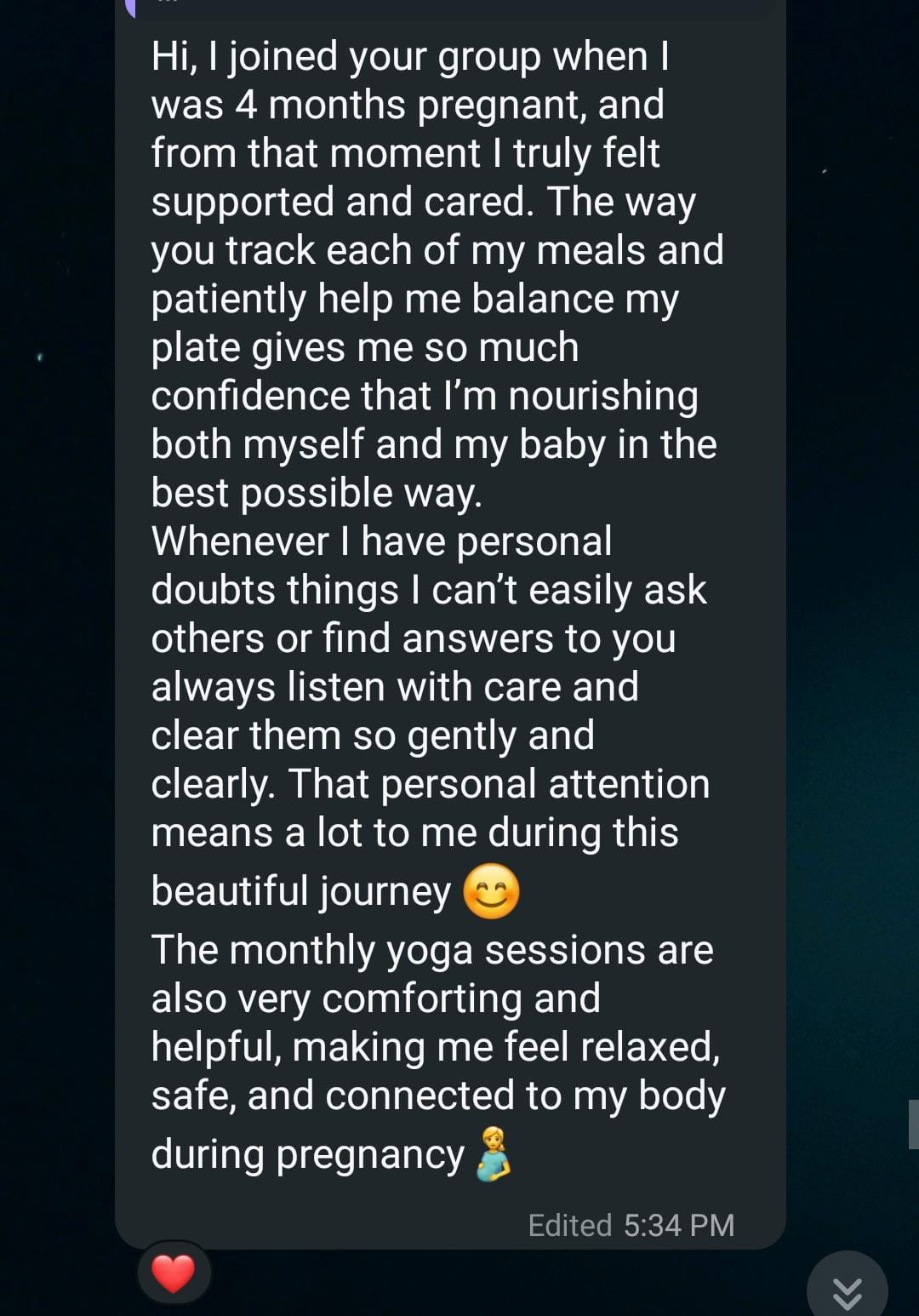
“I joined your group when I was 4 months pregnant, and from that moment I truly felt supported and cared. The way you track each of my meals and patiently help me balance my plate gives me so much confidence.”
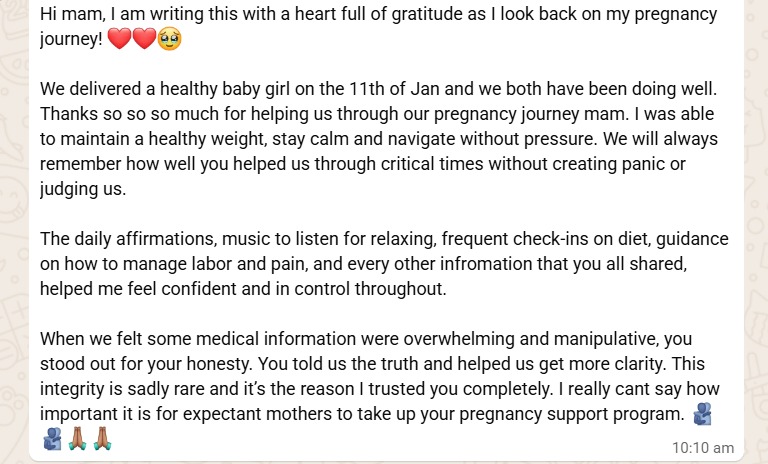
“We delivered a healthy baby girl on the 11th of Jan. I was able to maintain a healthy weight, stay calm and navigate without pressure. Your honesty and integrity is sadly rare.”

“Our hearts are full of joy as we welcome our baby girl today. Both mother and baby are safe and healthy. Thank you for your love and blessings.”
Detailed Case Studies
Real Patients, Full Timelines
Anonymised case studies from Dr. Suganya's clinic: the full clinical picture, what we worked on, and what changed.
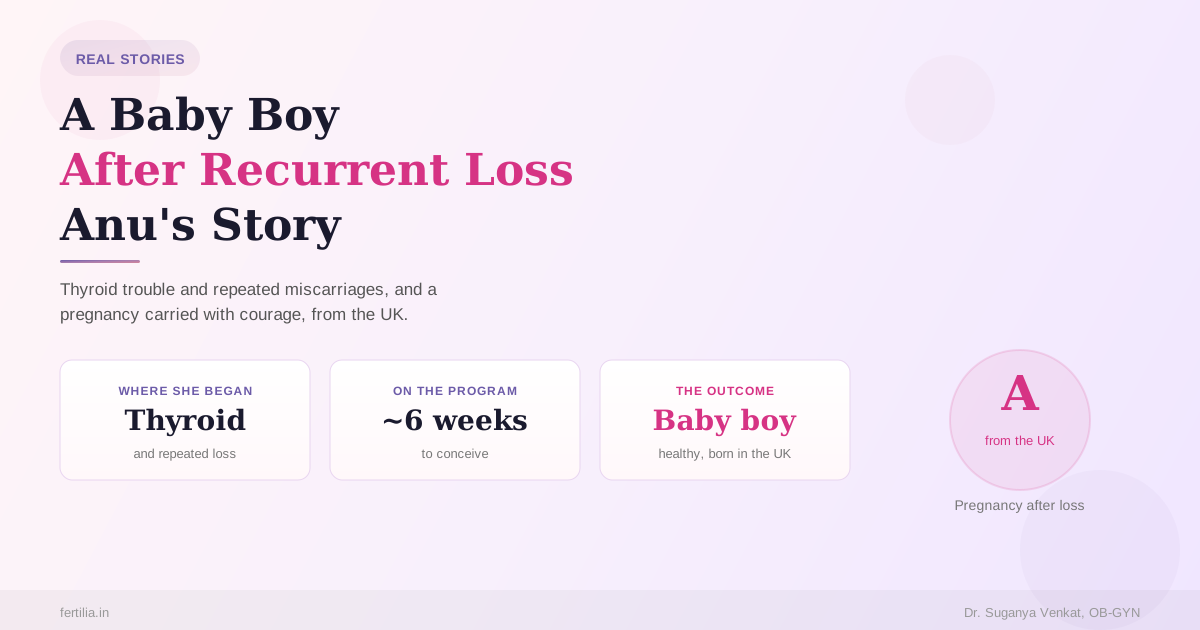
Anu's Story: A Baby Boy After Recurrent Loss
Anu was trying to conceive from the UK, far from family, carrying a thyroid imbalance, irregular cycles and the grief of repeated miscarriages
Read full case study →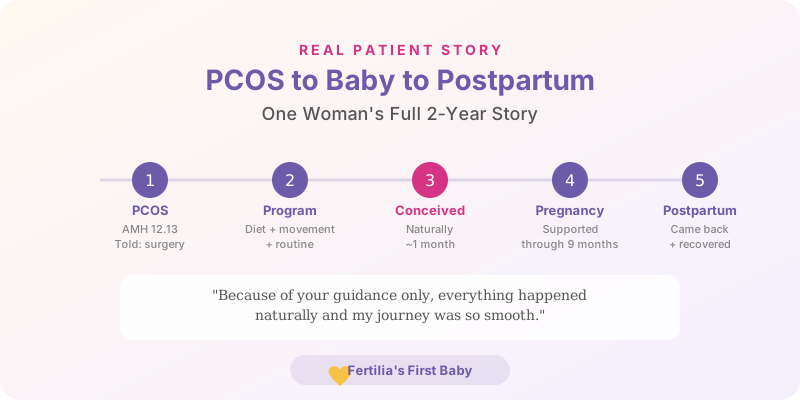
PCOS to Baby to Postpartum: One Woman's Full 2-Year Story
Priya had PCOS with AMH of 12.13. She was told she'd need laparoscopic ovarian drilling and fertility treatment
Read full case study →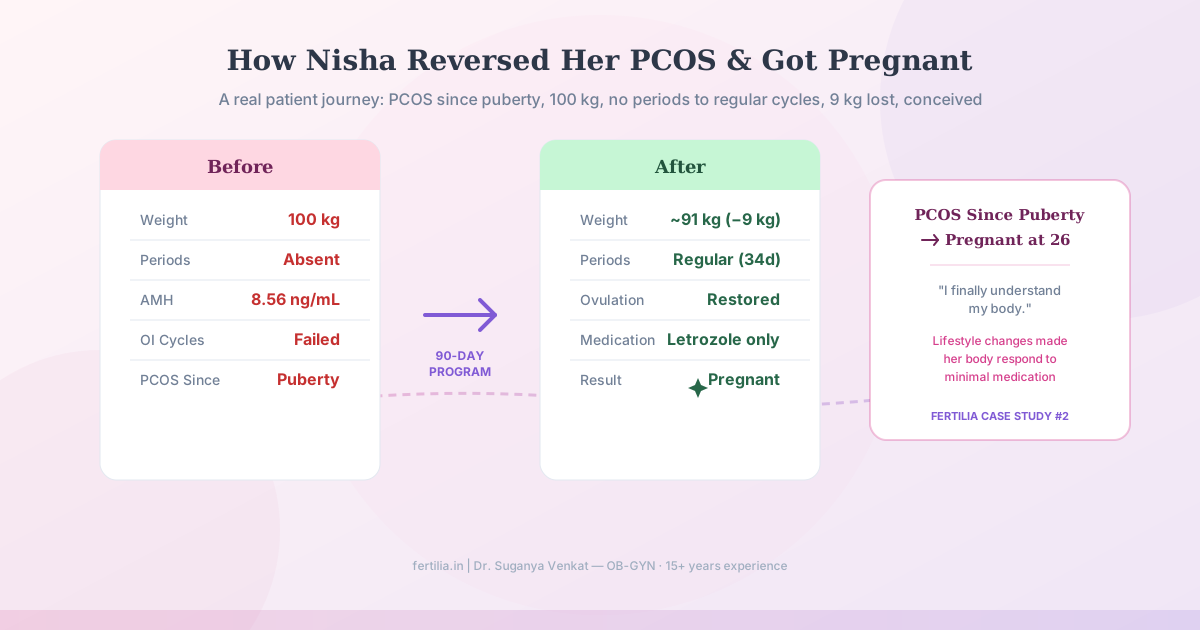
How Nisha Reversed Her PCOS & Got Pregnant
Nisha, 26, had PCOS since puberty, no regular periods, 100 kg, failed ovulation induction
Read full case study →Common Questions
About Pregnancy, Calmly Answered
By Dr. Suganya Venkat, OB-GYN with 15+ years of clinical experience.
What should I eat during pregnancy?
Build each plate around the same simple pattern: a protein (dal, egg, paneer, chicken or fish), a wholegrain (rice, roti, ragi or millets), a vegetable or two, and a little healthy fat (ghee, nuts, seeds). Across the day, aim to cover iron (greens, dates, jaggery, pomegranate), calcium (dairy, ragi, til, paneer) and folate (dal, greens, citrus), and keep hydrated. You do not need exotic or expensive foods: everyday Indian home cooking, eaten well and regularly, covers most of pregnancy's needs. Our trimester-wise Indian pregnancy diet chart lays it out plate by plate.
Which foods should I avoid during pregnancy?
A short, sensible list rather than a fearful one: raw or semi-ripe papaya, raw or undercooked eggs and meat, unpasteurised milk and soft cheeses, high-mercury fish, and very high caffeine (keep coffee and strong tea modest). Ripe papaya in normal amounts, mango, dates and most everyday fruits are fine. The goal is food safety, not anxiety. When a food is genuinely worth avoiding we explain why, so you can make calm, informed choices rather than cutting out half your kitchen.
Is it safe to exercise during pregnancy?
For most women with an uncomplicated pregnancy, yes, and it helps. Regular gentle movement (walking, prenatal yoga, light strength work, and pelvic-floor exercises) supports better sleep, mood, blood-sugar control and stamina for labour. The usual guidance is to stay active most days at an intensity where you can still hold a conversation, avoid lying flat on your back for long in later trimesters, and stop and check in with your doctor if you have bleeding, pain, dizziness or contractions. If your pregnancy has specific complications, your obstetrician will tailor what is safe for you.
How much weight should I gain during pregnancy?
It depends on your weight before pregnancy. As a broad guide, a woman who started at a healthy weight gains roughly 11–16 kg over the whole pregnancy; someone who started underweight gains a little more, and someone who started with a higher BMI gains less. Most of it comes in the second and third trimesters. The number matters less than the trend: steady, gradual gain is the reassuring sign, and your antenatal visits track this for you. Our guide breaks the ranges down by starting BMI.
Can I have a normal (vaginal) delivery, and what helps?
Many women can, and several things genuinely improve the odds: staying active and doing regular movement through pregnancy, pelvic-floor and birth-preparation exercises, keeping weight gain steady, and going into labour informed and supported rather than anxious. Whether a vaginal delivery is right for you in the end is a decision you and your obstetrician make together based on how your pregnancy and labour unfold, and a caesarean, when it is the safer route, is a good outcome, not a failure. Our normal-delivery guide covers what the evidence says actually helps.
When should I call my doctor during pregnancy?
Pregnancy brings a lot of new aches and sensations, and the large majority are completely normal. A few are worth a quick call, not because something is necessarily wrong, but because they are easy to check: vaginal bleeding, a sudden gush or trickle of fluid, severe or persistent headache with blurred vision, marked swelling of the face and hands, burning urine or fever, or a noticeable drop in your baby's usual movements in the third trimester. Calling early is always reasonable; most of the time you will be reassured, and that reassurance is worth the call.
What should I look for in a pregnancy care program that includes nutrition and psychological support?
Four things matter most. First, it should be doctor-led, so the medical picture stays with a qualified obstetrician or gynaecologist. Second, the nutrition should be built around everyday Indian food and adjusted for your trimester and for any conditions like gestational diabetes or anaemia, so it is genuinely personalised. Third, emotional and psychological support should be a real part of the plan, because anxiety, low mood and sleep matter through pregnancy and into the early postpartum weeks. Fourth, the parts should be coordinated into one plan, so the nutrition, movement and mental-health support fit together instead of arriving as separate advice you have to join up yourself. A good program works alongside your own obstetrician, who continues to run your antenatal care and delivery, and adds the day-to-day layer around it. Fertilia's pregnancy program is built this way: doctor-led, delivered online across India and for Indian women abroad, with daily WhatsApp support.
Want a calmer, better-supported pregnancy?
Your own obstetrician runs your antenatal visits and delivery. Our program adds the nutrition, safe-movement and emotional-support layer alongside them, through online consultations with Dr. Suganya. Pan-India, by video call or phone. ₹399.
Everything We Know About a Healthy Pregnancy
Evidence-based guides by Dr. Suganya Venkat: the complete library, from your first positive test through preparing for birth. Wherever you are in your pregnancy, start here.
Start here: your pregnancy, week by week
The big-picture guides to read first, whatever week you're in.
Pregnancy Week by Week: Complete Guide for Indian Women
What's happening, and what to expect, at every stage.
Healthy Pregnancy: The Complete Evidence-Based Guide
The whole picture in one place: nutrition, movement, care.
First Trimester: Symptoms, Tests & What to Expect
The early weeks, the first scans, and the tests that matter.
Early Pregnancy Symptoms: What to Expect Week by Week
The earliest signs, sorted from normal to worth-a-call.
Pregnancy Do's & Don'ts: Evidence-Based Guide
What the evidence actually supports, minus the old myths.
Confirming and dating your pregnancy
From the first test to the early numbers that tell you things are on track.
Home Pregnancy Test: When & How to Read It Right
When to test and how to read a faint line correctly.
Beta hCG Levels by Week: Normal Range & What It Means
What your beta hCG numbers are telling you.
Implantation Bleeding vs Period: 4 Differences
How to tell early spotting from a period.
Progesterone in Pregnancy: What Your Levels Mean
Why progesterone matters in early pregnancy.
Eating well through pregnancy
Practical, everyday Indian nutrition: what to eat, how much, and when.
Pregnancy Diet Chart: Indian Foods for Each Trimester
A trimester-wise plate plan built on Indian home cooking.
Iron-Rich Indian Foods for Pregnancy: Daily Plan
Hit your iron needs with everyday Indian foods.
Calcium in Pregnancy: When to Start & How Much Per Trimester
How much calcium, from which Indian sources, and when.
Folic Acid Before Pregnancy: When & How Much
Why it starts before conception and the right dose.
Dates in Pregnancy: How Many Per Day by Trimester
Iron, fibre and the late-pregnancy evidence on dates.
Common symptoms, handled
The everyday discomforts of pregnancy and what genuinely helps with each.
Morning Sickness: When It Starts & Safe Remedies
Why it happens and what safely settles it.
Pregnancy Heartburn & Acidity: Safe Relief That Works
Calm the burn without anything risky.
Pregnancy Constipation: Indian Diet Remedies
Simple food-first fixes that actually move things.
Pregnancy Gas & Bloating: Why It Happens & What Helps
What's behind the bloating and how to ease it.
Pregnancy Weight Gain: How Much Is Normal?
Healthy ranges by starting BMI, reassuringly explained.
Fetal Movement: When to Feel Baby Kick & What's Normal
When kicks start and how to track them simply.
When pregnancy needs extra care (high-risk support)
If your pregnancy has been flagged as high-risk, start with the guide below: what the label means, the common reasons behind it, and how care works, alongside your obstetrician, never instead of them.
High-Risk Pregnancy: What It Means & How Care Works
What the label really means, the common reasons, and how it's managed.
Gestational Diabetes India: OGTT Cut-Offs & Diet Plan
The test, the numbers, and a diet plan that works.
Gestational Hypertension: Signs, Risks & What to Do
What raised blood pressure in pregnancy means.
Low-Lying Placenta: What It Means & Will It Move Up?
The 20-week finding that resolves on its own in 9 of 10 women.
Placenta Previa: What It Means for Your Pregnancy
When the placenta covers the cervix, and how it's managed.
Low Amniotic Fluid: Causes & How to Increase It Safely
What a low AFI means, and how hydration and monitoring help.
IUGR: Why Your Baby Measures Small & What Helps
What a small measurement means, and why the trend matters most.
Polyhydramnios: Too Much Amniotic Fluid Explained
What a high AFI means, the common causes, and what happens next.
Cervical Stitch (Cerclage): What It Is & What to Expect
What a weak cervix means, the stitch, recovery, and delivery.
Preterm Labour: Warning Signs & What to Do
The warning signs to know, and the care that helps if baby comes early.
Rh-Negative Pregnancy: How Anti-D Protects Your Baby
What Rh-negative means, and when the anti-D injection is given.
Group B Strep in Pregnancy: What a Positive Test Means
What a positive GBS result does and doesn't mean.
White Discharge in Pregnancy: What's Normal & When to Worry
Normal discharge vs the kind worth a call.
Ectopic Pregnancy: Warning Signs & Future Fertility
The signs to know and what it means going forward.
Movement and preparing for birth
Safe exercise through the trimesters, and getting your body ready for delivery.
Pregnancy Exercises: Safe Workouts by Trimester
What's safe to do, trimester by trimester.
Pregnancy Yoga: Safe Poses for Each Trimester
Gentle, safe prenatal yoga you can do at home.
Exercise for Normal Delivery: What the Research Shows
What movement genuinely helps a vaginal birth.
Normal Delivery Tips: Exercises, Diet & What Helps
Evidence-based ways to prepare for a normal delivery.
C-Section Delivery: What to Expect Before, During & After
A clear, calm walkthrough of a caesarean.
Skin and body changes
The visible changes pregnancy brings, and what's worth doing about them.

Your Doctor
Dr. Suganya Venkat
Obstetrician & Gynaecologist · 15+ Years Experience
Every program is personally designed and overseen by Dr. Suganya. She conducts your consultations, reviews your progress, and ensures your plan evolves with you.
Start Your Journey