By the time the 6-week mark arrives, most new mothers have a running list of things they have been meaning to ask somebody. Is this healing normally? Is it too soon to start exercising? What do we do about contraception? Is what I’m feeling emotionally within the range of normal? The 6-week postpartum checkup is where all of that gets a proper hearing.
For many women, this is also the first appointment since delivery that is entirely about them rather than the baby. It can feel almost unfamiliar to be the patient again. Knowing what the visit actually covers, and what to bring with you, makes it easier to use the appointment well.
What this post covers
- Why the 6-week mark, and what changed recently in how doctors think about postpartum follow-up
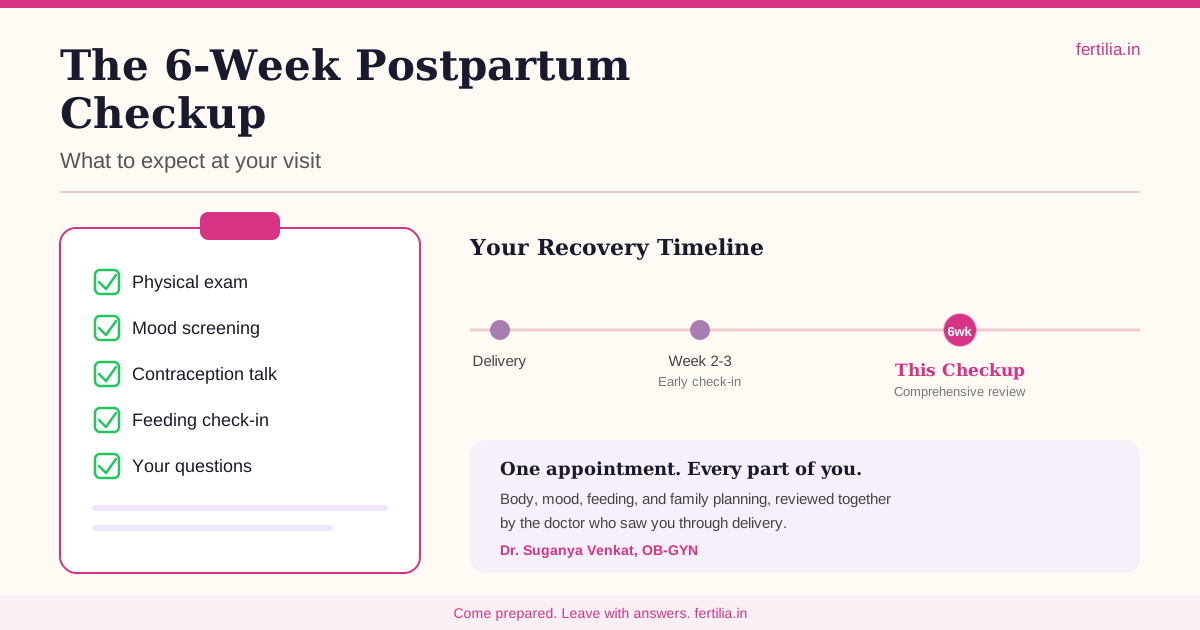
- The physical exam: what gets checked and why
- Mood and mental health screening, and why it belongs in this visit
- The contraception conversation
- Breastfeeding and infant feeding check-in
- Questions worth bringing with you
- When you might need to be seen sooner than 6 weeks
Why the 6-Week Mark
Six weeks has been the traditional postpartum review point in Indian obstetric practice for a long time, and it lines up closely with a real physiological milestone: it is roughly when the uterus completes involution (its return to close to pre-pregnancy size) and when lochia, the postpartum bleeding, has typically finished for most women. It is a sensible point to take stock.
That said, the thinking on postpartum follow-up has shifted internationally over the past several years. The American College of Obstetricians and Gynecologists revised its postpartum care guidance to recommend that all women have contact with their obstetric care provider within the first 3 weeks after delivery, with a comprehensive visit to follow no later than 12 weeks (ACOG Committee Opinion No. 736, Obstetrics & Gynecology, 2018). The reasoning is that a single visit at 6 weeks can miss problems that surface earlier, particularly with mood, feeding, or wound healing, and misses the chance to catch them sooner. Some clinics in India, including at Fertilia, now build in an earlier check-in call or visit around 2 to 3 weeks, with the 6-week visit remaining the comprehensive one where everything is reviewed together.
If your hospital or clinic follows the traditional single 6-week appointment, that is still a normal and adequate pattern of care, particularly if your delivery was uncomplicated and you have had no concerning symptoms in between. What matters more than the exact calendar day is that a thorough review happens, and that you know you can call sooner if something does not feel right. The postpartum warning signs guide covers exactly which symptoms warrant an earlier call rather than waiting.
The Physical Exam
This is usually the part women expect, and it covers more ground than a quick look.
Weight and blood pressure. Baseline vitals, checked at every visit, matter more here if you had gestational hypertension or preeclampsia during pregnancy, since blood pressure can remain elevated for some weeks after delivery.
Abdominal exam and uterine involution. Your doctor will check that the uterus has returned to close to its pre-pregnancy size and position. By 6 weeks, this is usually complete or very close to it.
Perineal or C-section wound check. For a vaginal delivery with a tear or episiotomy, your doctor examines the healing tissue to confirm it has closed well and there is no separation, infection, or granulation tissue causing ongoing discomfort. For a C-section, the incision is checked for healing, and you may be asked whether you are still having pain at the site. If your recovery has followed the expected pattern, this is usually a brief part of the visit. The C-section recovery week-by-week guide walks through what normal healing looks like at each stage if you want a fuller picture before your appointment.
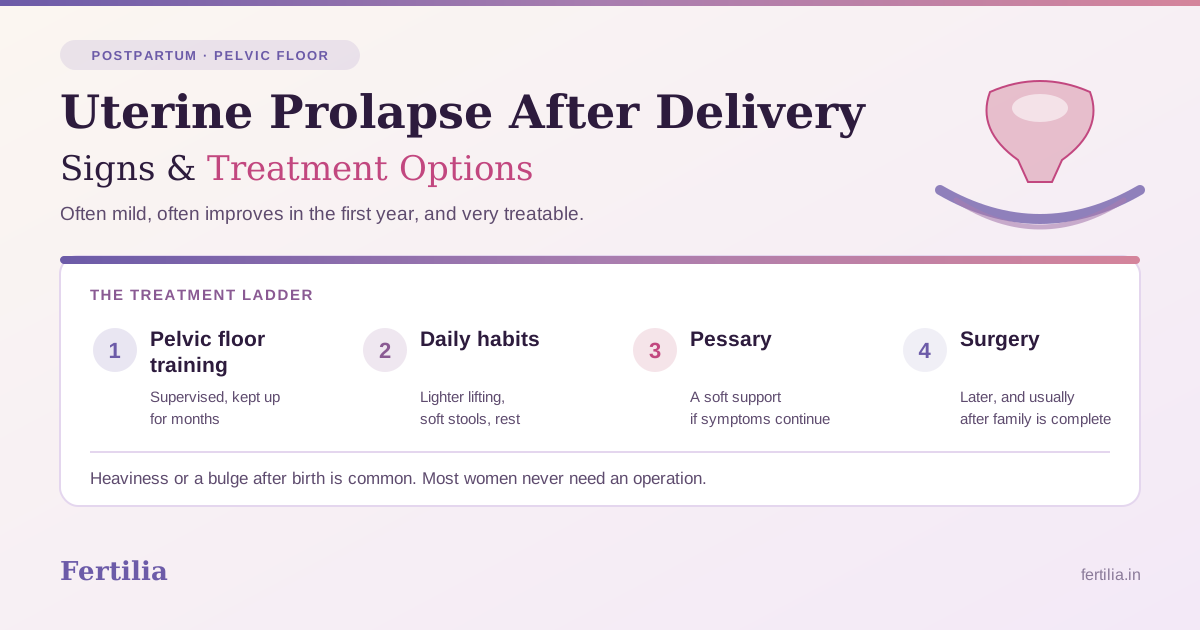
Pelvic exam. A speculum and bimanual exam checks that the cervix has closed and the vaginal tissue has healed. This is also when your doctor can check for any pelvic organ prolapse or laxity that might benefit from pelvic floor rehabilitation.
Pap smear, if due. Not every woman needs one at this visit. It depends on when your last one was done and your individual screening schedule, which your doctor will confirm.
Abdominal wall check. Your doctor may check for diastasis recti, the separation of the abdominal muscles that is extremely common after pregnancy and, for most women, closes on its own over the following months. If you want to check yourself at home in the meantime, the diastasis recti self-check and exercise guide has a simple 60-second test and safe starting exercises.
Anaemia screening. If you had significant blood loss at delivery, were anaemic during pregnancy, or are simply feeling persistently exhausted beyond what new-parent sleep deprivation explains, this is a good visit to ask about a haemoglobin check. Postpartum anaemia is common and frequently missed, since fatigue gets attributed to the baby rather than to iron levels. The postpartum anaemia guide explains the signs to watch for.
Thyroid check, if indicated. Postpartum thyroiditis can develop in the months after delivery and its symptoms, fatigue, mood changes, weight shifts, overlap heavily with normal new-motherhood exhaustion. If you have a personal or family history of thyroid disease, or symptoms that feel disproportionate, mention it.
Mood and Mental Health Screening
This part of the visit deserves as much weight as the physical exam, and in many Indian hospitals it still does not get routinely offered, so it is worth asking for directly if it is not brought up.
A validated screening tool, the Edinburgh Postnatal Depression Scale, is a 10-item questionnaire that takes under 5 minutes and was developed specifically to identify postpartum depression (Cox, Holden, and Sagovsky, British Journal of Psychiatry, 1987, PMID 3651732). A score of 10 or above suggests the need for a closer follow-up conversation, and a score of 13 or above suggests professional support is worth arranging soon. If your doctor does not offer this screening at your visit, you can ask for it directly.
This is also the right moment to say plainly how you have actually been feeling, not how you think you are supposed to feel. Persistent low mood, tearfulness that has not eased since the early days, disconnection from the baby, or racing anxious thoughts are all things your doctor needs to hear about at this visit rather than working around. The postpartum depression guide and the postpartum anxiety guide go into what each looks like and what treatment involves, so you can recognise your own experience in them if it applies.
The Contraception Conversation
Family planning after delivery is a standard part of this visit, whatever your feeding choice and whatever your plans for another pregnancy.
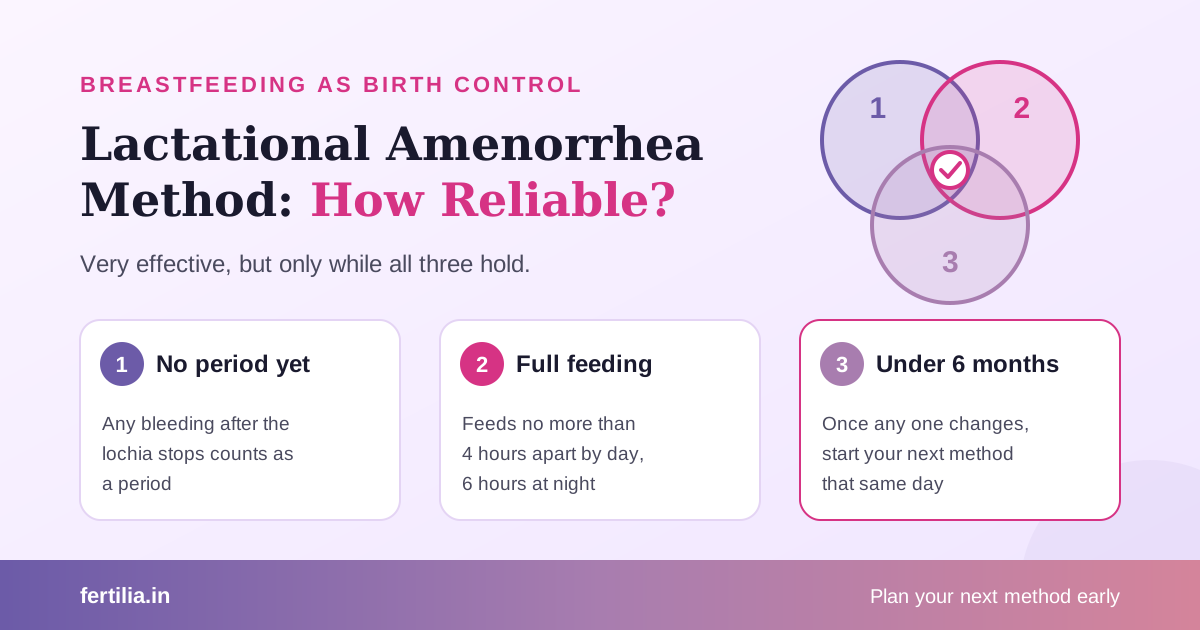
If you are exclusively breastfeeding, feeding on demand day and night, and your periods have not returned, you may have some natural protection through the lactational amenorrhea method, though this window is narrower and less reliable than many women assume, and it stops applying as soon as feeding patterns change, periods return, or your baby starts sleeping longer stretches. Your doctor can walk you through which methods are compatible with breastfeeding (progesterone-only options do not affect milk supply the way combined hormonal methods can) and which suit your timeline for a next pregnancy, if you are thinking that far ahead already. The full contraception options comparison for India covers the pill, IUD, injection, and implant side by side if you want to think through the options before your visit.
There is no pressure to decide anything permanent at this appointment. The point is simply to have the conversation before you need the answer.
Breastfeeding and Infant Feeding Check-In
Your doctor will typically ask how feeding is going, whether latch has been comfortable, whether you have any nipple pain, and whether you have concerns about supply. This is a good moment to raise any breastfeeding difficulty you have been managing alone, since a small adjustment early is usually easier than untangling a pattern that has been going on for weeks. If milk supply is a specific worry, the guide to increasing breast milk supply by our lactation professional Dr. Manjari covers what genuinely helps and what commonly gets misread as low supply when it is not.
If you are not breastfeeding, whether by choice or circumstance, this is also a legitimate topic for the visit: formula feeding questions, any breast discomfort from milk suppression, and your own comfort with the decision all deserve space here too.
Frequently Asked Questions
What if my C-section incision or stitches still hurt at 6 weeks?
Some residual tenderness at 6 weeks, especially with pressure or certain movements, is not unusual and often continues improving gradually over the following weeks. Mention it at your visit regardless, since your doctor can examine the site directly and tell you whether what you are feeling fits the expected healing curve or needs a closer look. Pain that is worsening rather than easing, or that comes with redness, warmth, swelling, or discharge, should not wait for the scheduled visit. The postpartum warning signs guide covers which wound symptoms need same-day attention.
Can I resume sex after this checkup?
For most women with an uncomplicated recovery, this visit is when your doctor confirms that healing is sufficient to resume sexual activity, though the right time to actually resume is whenever you feel physically comfortable and emotionally ready, not a fixed date. Vaginal dryness related to breastfeeding hormones and simple tiredness both commonly affect timing and are worth mentioning if intercourse feels uncomfortable when you do try. A fuller discussion of physical readiness, common discomfort, and what helps is in our guide on sex after delivery.
When can I start exercising again?
Your doctor will typically clear you for a gradual return to exercise at this visit if your recovery, whether vaginal delivery or C-section, has gone as expected. “Cleared to exercise” does not mean going straight back to your pre-pregnancy routine. Starting with gentle movement and pelvic floor work, then building up, protects healing tissue that is still remodelling under the surface even when it looks and feels fine. The postpartum exercise guide has a week-by-week plan for both delivery types.
I feel completely fine. Do I still need to go?
Yes. Some of what this visit checks, such as blood pressure trends, anaemia, thyroid function, and mood, can be present without obvious symptoms, particularly in the early stages. Feeling well is a genuinely good sign and does not replace the visit. Think of it as confirming that things are on track rather than looking for a problem.
What if I have concerns my doctor does not bring up on their own?
Bring a written list. Appointments move quickly, especially with a baby in tow, and it is easy to forget something you meant to ask the moment you walk in. Writing down your questions beforehand, whether about mood, pain, feeding, contraception, or when you can drive again, means nothing gets lost in the shuffle. If a concern needs more time than the visit allows, it is entirely reasonable to ask for a follow-up call or message.
My family says I don’t need to go if the baby is doing well. Is that true?
This checkup is about your recovery, not the baby’s, and it is entirely separate from the baby’s own paediatric visits. Uterine healing, wound healing, blood pressure, anaemia, thyroid function, and mental health screening are all things that need a mother’s own follow-up regardless of how well the baby is feeding or growing. If a family member is unsure why this visit matters, it can help to frame it plainly: this is your medical care, in the same way the baby has theirs.
What if I had a high-risk pregnancy or complicated delivery?
If you had gestational diabetes, gestational hypertension or preeclampsia, a postpartum haemorrhage, or a delivery that needed extra intervention, your doctor may want to see you sooner than 6 weeks, or add extra checks to this visit, such as a repeat blood pressure series or a glucose tolerance test to confirm gestational diabetes has resolved. Follow whatever timeline your own doctor sets for you rather than the general 6-week guideline, since your recovery may need closer monitoring than a standard delivery.
Bringing It All Together
The 6-week checkup is the one scheduled point in the entire postpartum period built specifically around your recovery: body, mood, and the practical decisions ahead of you. Going in with your questions ready, and being honest about how you are actually feeling, is what makes the visit worth the trip.
At Fertilia, Dr. Suganya Venkat, an OB-GYN with over 15 years of clinical experience, builds this kind of comprehensive review into her Postpartum Recovery program, with earlier check-ins available alongside the standard visit so nothing has to wait if it does not need to. If you have questions before your own appointment, or want a second opinion on anything you are experiencing, a message on WhatsApp is the easiest way to start.
For a printable overview of the full recovery timeline, including wound care, warning signs, and what to expect week by week, the Postpartum Care Guide covers the whole arc from delivery through this checkup and beyond. And if anything you are feeling right now cannot wait for a scheduled appointment, reach out to Dr. Suganya on WhatsApp rather than waiting for the date on the calendar.