A large number of the women I see want the same thing before we discuss anything else: is there a way to handle this without tablets? Sometimes the reason is a plan to conceive, sometimes a bad experience with a previous medicine, and very often it is simply the wish to try the gentlest route first. I think that instinct is reasonable, and I want to answer it clearly, without either overselling lifestyle change or dismissing it.
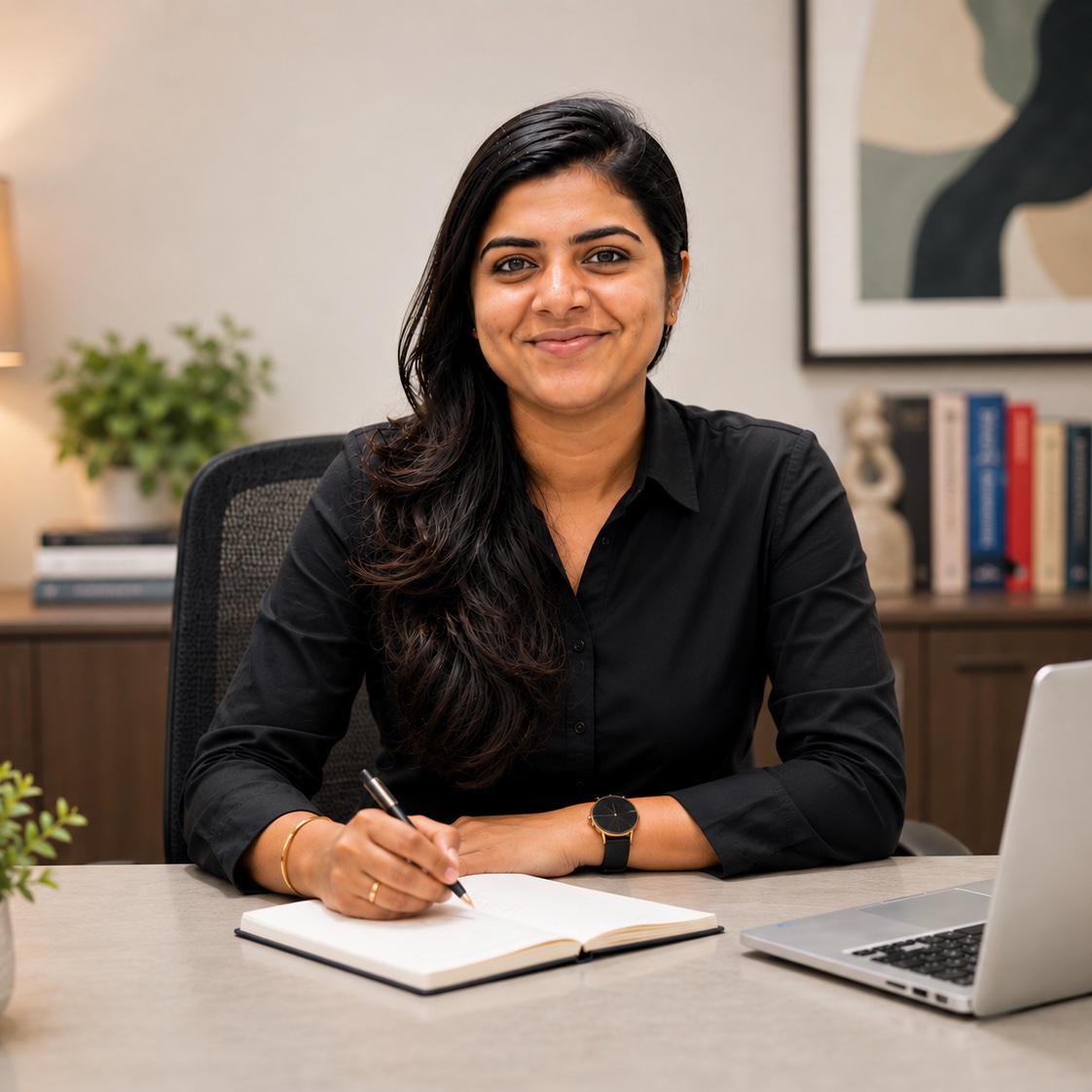
I am a psychiatrist at Fertilia, and this post is about what genuinely helps premenstrual dysphoric disorder when you would rather not use medication, what the evidence actually shows for each option, and, just as importantly, where the limits are. If you have not yet worked out whether you have PMDD or the more common PMS, start with our psychiatrist’s guide to PMS and PMDD, because the answer to “can I skip medication?” depends a great deal on how severe your condition is.
The starting point: severity decides a lot
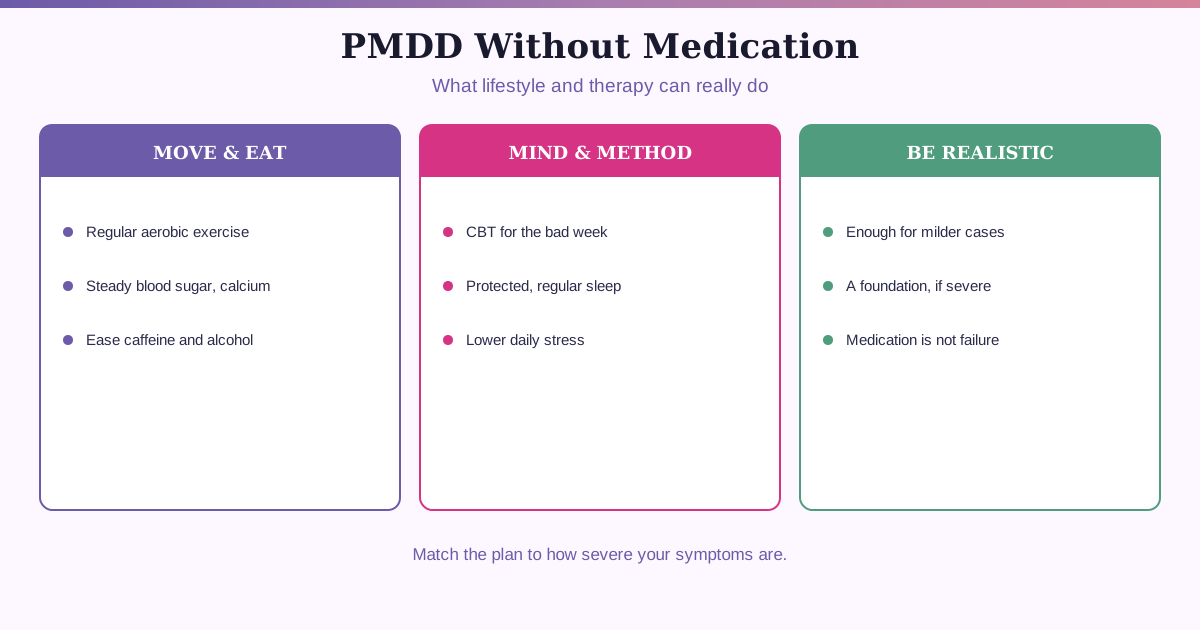
Premenstrual symptoms sit on a spectrum. At the milder end, where symptoms are real but not disabling, lifestyle and psychological approaches can be enough on their own. At the severe end, where mood symptoms take the floor out from under a woman every cycle, these measures remain valuable but usually work best alongside medication rather than instead of it.
So the useful question is not “medication or not?” in the abstract, but “how severe is mine, and what is a realistic plan for that severity?” A symptom chart answers this, which is why I ask every woman to keep one. For milder PMDD, what follows may carry you comfortably. For severe PMDD, treat these as the foundation you build on, and know that adding medication later is not a failure, it is simply matching the treatment to the condition.
Exercise: the best-evidenced lifestyle change
Of all the non-medication options, regular exercise has some of the most consistent trial support. In a randomised controlled trial, a structured swimming programme significantly reduced both the physical and the psychological symptoms of premenstrual syndrome compared with no exercise (Maged et al., 2018, Archives of Gynecology and Obstetrics, PMID 29350276). A separate clinical trial found that eight weeks of aerobic exercise reduced the severity of physical premenstrual symptoms (Mohebbi Dehnavi et al., 2018, BMC Women’s Health, PMID 29855308).
You do not need a gym or a swimming pool. What the evidence supports is regular aerobic activity, most days of the week: brisk walking, cycling, dancing, climbing stairs, a home workout video, whatever you will actually keep doing. The benefit comes from consistency across the month, not from punishing sessions in the bad week. If anything, be kinder to yourself in the luteal phase and let the steady habit through the rest of the cycle do the work.
Diet: steady blood sugar, calcium, and what to cut
Food will not cure PMDD, but a few changes have real support and are worth building in.
Steady your blood sugar. Meals built around complex carbohydrates, whole grains like ragi, jowar and bajra, plus dal, vegetables, and protein, release energy slowly and avoid the sugar spikes and crashes that worsen premenstrual irritability and cravings. Small, regular meals in the luteal phase help more than large gaps followed by sugary snacks.
For more on this, read our guide on Premenstrual Rage & Irritability. Consider calcium. Of the supplements, calcium has the best trial evidence for premenstrual symptoms. In a randomised study, calcium carbonate reduced premenstrual symptoms by around 48% versus 30% on placebo by the third cycle (Thys-Jacobs et al., 1998, American Journal of Obstetrics and Gynecology, PMID 9731851). Calcium-rich foods in an Indian kitchen include dahi, paneer, ragi, til, and green leafy vegetables like palak; a supplement is worth discussing with your doctor if your intake is low.
Ease off caffeine, alcohol, and excess salt in the luteal phase. Caffeine can heighten anxiety and disturb sleep, alcohol worsens mood and sleep quality, and too much salt adds to bloating. You do not need to give them up entirely all month; cutting back in the two weeks before your period is where it counts.
Chasteberry: the botanical option with real data
Many women want to try a natural remedy before anything else, and here the evidence is better than you might expect. Chasteberry (Vitex agnus-castus) has randomised-trial support for premenstrual symptoms and is a reasonable option for milder cases, though most of the strong evidence is for PMS rather than severe PMDD. We have written a clear, evidence-first breakdown of who it suits, dosing, and its important cautions in our guide to chasteberry for PMS and PMDD. The short version: it is legitimate, it should be a standardised preparation, and it should not be combined with hormonal contraception or used while trying to conceive without medical advice.
💬 A medication-free plan still deserves a proper assessment. Message Dr. Suganya’s team at Fertilia on WhatsApp. My consultations are over video call, starting at ₹399, and we can build a lifestyle-first plan matched to how severe your symptoms actually are. Message us on WhatsApp
CBT: the psychological approach that changes the bad week
Cognitive behavioural therapy, or CBT, is a structured, practical form of talking therapy, and it has evidence in premenstrual conditions. A meta-analysis of randomised controlled trials found that psychological interventions, CBT among them, reduced premenstrual symptoms and the distress that comes with them (Busse et al., 2009, Psychotherapy and Psychosomatics, PMID 18852497).
CBT does not touch your hormones. What it changes is how the premenstrual week unfolds. It helps you recognise the pattern early, plan lighter commitments around the predictable bad days, catch and challenge the harsh self-critical thoughts that flare in the luteal phase, and manage the conflicts that these days tend to spark. For many women, the sense of being blindsided every month is a large part of the suffering, and simply seeing it coming and having a plan reduces that. CBT can be done on its own for milder PMDD or alongside other measures, and a handful of structured sessions is often enough to learn the tools.
For more on this, read our guide on SSRIs for PMDD.
Sleep and stress: the quiet foundations
Two things underpin all of the above. Steady, sufficient sleep blunts premenstrual mood swings; erratic sleep sharpens them, and the luteal phase often disturbs sleep just when you need it most, so protecting a regular bedtime through the month matters. And because stress and premenstrual symptoms feed each other, simple daily practices that lower your baseline tension, slow breathing with a long exhale, a short walk, a few minutes of quiet, yoga, help take the edge off the worst days. None of these is a cure, but together they raise the floor you are standing on.
A realistic picture of what to expect
Let me be clear about outcomes, because false promises help no one. For mild to moderate premenstrual symptoms, a committed lifestyle-and-therapy plan can make a real, meaningful difference, sometimes enough that nothing else is needed. For severe PMDD, these measures reliably help but rarely do the whole job alone, and the women who insist on lifestyle-only in the face of disabling symptoms often spend months struggling before adding the treatment that would have helped sooner.
For more on this, read our guide on PMDD vs PMS. There is no virtue in suffering longer to avoid medication. If you build a good non-medication plan, give it a fair trial across two or three cycles, and it is not enough, that is useful information, not a defeat. It simply tells you and your doctor that your PMDD needs more, and the full range of treatments, including SSRIs used only in the luteal phase, is there when you need it.
When lifestyle is not the answer to reach for
One situation overrides the whole “let me try naturally first” approach. If your premenstrual week brings thoughts that life is not worth living or urges to harm yourself, even if they lift when your period comes, this is not something to manage with exercise and diet. Cyclical suicidal thoughts are a recognised feature of severe PMDD and they need prompt medical help. Please speak to a doctor now, tell someone you trust, or call the free national mental health helpline KIRAN on 1800-599-0019, available around the clock. Reaching out is the right response, not an overreaction.
For more on this, read our guide on Which Doctor Should You See for PMDD?.
Frequently Asked Questions
1. Can PMDD be managed without medication?
Milder PMDD can improve substantially with exercise, dietary changes, calcium, chasteberry, and CBT. Severe PMDD usually needs medication for full relief, but lifestyle measures still matter as the foundation. How far you can go without medication depends mostly on how severe your symptoms are.
2. What is the single most effective lifestyle change for PMDD?
Regular aerobic exercise has some of the most consistent evidence. Randomised trials found that swimming and eight weeks of aerobic exercise both reduced premenstrual symptoms (Maged et al., 2018, PMID 29350276; Mohebbi Dehnavi et al., 2018, PMID 29855308). Consistency across the month matters more than intensity.
3. Does diet really affect PMDD?
It helps rather than cures. Steadying blood sugar with complex carbohydrates and regular meals, ensuring enough calcium (which has trial support, Thys-Jacobs et al., 1998, PMID 9731851), and easing off caffeine, alcohol, and excess salt in the luteal phase all reduce symptom severity for many women.
4. Does CBT work for PMDD?
Yes. A meta-analysis of randomised trials found psychological interventions including CBT reduced premenstrual symptoms and distress (Busse et al., 2009, PMID 18852497). CBT does not change hormones; it changes how you anticipate and handle the premenstrual week, and often a few structured sessions are enough.
5. Can I take chasteberry instead of medication for PMDD?
Chasteberry (Vitex) has randomised-trial support and is a reasonable option for milder symptoms, ideally a standardised preparation used under guidance. Most strong evidence is for PMS rather than severe PMDD. Do not combine it with hormonal contraception or use it while trying to conceive without medical advice. See our chasteberry guide.
6. How long should I try lifestyle changes before considering medication?
Give a committed plan a fair trial across two or three cycles. If your symptoms remain disabling despite consistent effort, that is useful information, not a failure. It tells you and your doctor your PMDD needs more, and adding treatment then is simply matching the plan to the condition.
7. Is it safe to manage PMDD naturally if I feel suicidal before my period?
No. Cyclical thoughts of self-harm before your period are a feature of severe PMDD and need prompt medical help, not a lifestyle-only approach. Please speak to a doctor now or call the free KIRAN helpline on 1800-599-0019, available around the clock. This is treatable, and reaching out is the right thing to do.
Where to begin
If you would rather start without medication, that is a fair and often sensible place to begin, especially for milder symptoms. Build the foundation of regular exercise, steadier meals, adequate calcium, protected sleep, and consider CBT and chasteberry, then judge the result across a couple of cycles with a symptom chart in hand.
If you would like help designing that plan and matching it honestly to your severity, a consultation is the place to start. My consultations are online, over video call from wherever you are, starting at ₹399, and we build the plan together, medication or not. For the complete set of options, our PMDD treatment guide covers everything from lifestyle to the pill.