You are 26 weeks pregnant. By mid-afternoon a dull pressure has settled behind your eyes. It does not feel alarming, but it also does not lift. You drink some water, rest for a few minutes, and find yourself asking three questions at once: Is this normal? What can I safely take? And should I be worried?
The short answer to the first question is yes, headaches in pregnancy are common. The answers to the second and third questions are where it gets more nuanced, and that nuance matters.
Why Headaches Are So Common in Pregnancy
Headache affects a large proportion of pregnant women. In a study of 430 women asked about headache before and during pregnancy, nearly a third (29.3%) were primary headache sufferers with migraine or tension-type headache (Maggioni et al., 1997, Cephalalgia, PMID 9399007). Several physiological factors shape how those headaches behave in pregnancy.
In the first trimester, oestrogen rises sharply. For women who are sensitive to hormonal shifts, this surge is a reliable trigger. Blood volume also begins expanding from early pregnancy and by the third trimester has increased by approximately 40 to 50 percent. This vascular expansion requires significant circulatory adaptation, and the brain’s blood vessels are not exempt from that adjustment.
For more on this, read our guide on Pregnancy Gas & Bloating. Dehydration compounds everything. First-trimester nausea and vomiting reduce fluid intake at exactly the point when fluid needs are rising. Later in pregnancy, a growing baby pressing on the bladder makes many women reluctant to drink as much as they should. In the Indian summer heat, fluid loss through sweat accelerates this further.
For women who had migraines before pregnancy, the pattern is more variable. Some find that migraines actually improve in the second and third trimesters, when oestrogen levels stabilise after the first-trimester fluctuation (Sances et al., 2003, Cephalalgia, PMID 12662187). Others find early pregnancy brings a difficult cluster of migraine episodes.
The reassuring part: most pregnancy headaches are benign and manageable. But one pattern needs prompt attention, and the section on preeclampsia below describes it clearly.
The Three Most Common Types
Tension Headache
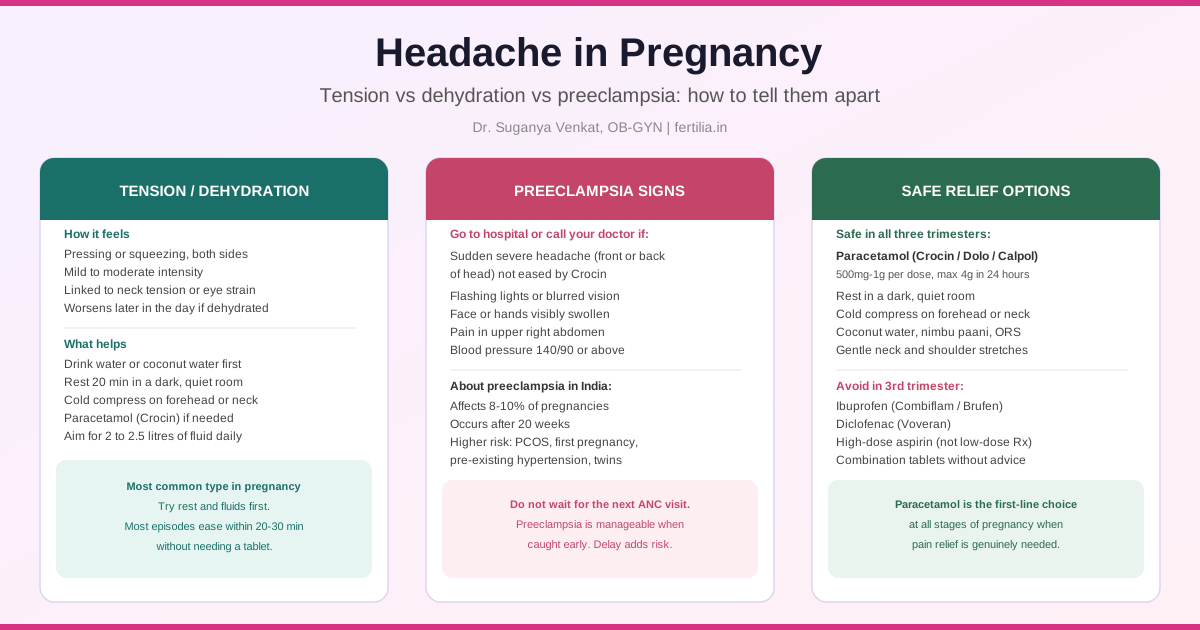
This is the most frequent type. Tension headaches feel like a band of pressure around the head, or a squeezing sensation on both sides. They tend to be:
- Bilateral (both sides, or diffuse across the whole head)
- Pressing or squeezing rather than throbbing
- Mild to moderate in intensity
- Not made worse by walking around
- Sometimes linked to neck and shoulder stiffness, eye strain, or prolonged time at a screen
In pregnancy, common triggers include poor sitting posture (particularly from working at a desk with a growing belly), poor sleep, skipping meals, dehydration, and stress. In the third trimester, the forward shift in the body’s centre of gravity from the growing bump creates consistent upper back and neck strain that feeds directly into tension headaches.
Dehydration Headache
This type is both underappreciated and very treatable. A simple test: drink a large glass of water (or coconut water, dilute nimbu paani, or ORS if you have been vomiting), rest for 20 to 30 minutes, and see if the headache eases. If it does, dehydration was the main driver.
Dehydration headaches tend to come on later in the day, worsen in hot weather, and improve with fluids. They often come with dark urine, a dry mouth, or more fatigue than usual.
Pregnancy increases your fluid requirement significantly. Aim for at least 2 to 2.5 litres of fluid daily during pregnancy, not counting what you lose through sweat. This is more than most women drink outside of pregnancy, and it is easy to fall short when nausea, busyness, or bathroom anxiety gets in the way.
Migraine in Pregnancy
If you had migraines before conceiving, your pattern may shift during pregnancy. Many women find welcome relief in the second trimester as oestrogen stabilises. Others find the early weeks difficult, with the hormonal fluctuation acting as a consistent trigger and nausea amplifying the light and sound sensitivity that comes with a migraine episode.
A migraine typically throbs or pulses on one side, is moderate to severe in intensity, comes with nausea or vomiting, and is made worse by light, sound, and physical activity. Some migraines arrive with an aura (visual zigzag patterns, a dark spot in the field of vision, or tingling in one hand or down one side of the face).
If you have a migraine history, speak to your doctor early in pregnancy about a management plan. Many standard migraine medications are not recommended during pregnancy, and having a framework in place before you are in the middle of a severe episode is far better than trying to work it out at 3am when the headache has already started.
Safe Relief Options
Paracetamol: Yes, With Conditions
Paracetamol (sold in India as Crocin, Calpol, or Dolo) is the first-line analgesic recommended for pain relief in pregnancy. The NHS lists it as the first-choice painkiller for pregnant women (nhs.uk), and standard Indian prescribing practice treats it the same way: the safest over-the-counter option when used at the correct dose and not overused.
Standard dosing: 500mg to 1g per dose, up to a maximum of 4g in 24 hours. Take it for the shortest period needed, not preemptively over weeks.
A note for completeness: some large observational studies have raised questions about frequent long-term paracetamol use in pregnancy and neurodevelopmental outcomes in children. Regulatory bodies have reviewed this evidence and continue to recommend paracetamol as the preferred OTC option when pain relief is genuinely needed. The key phrase is “when needed,” not “just in case, every day.”
Rest, Fluids, and a Cold Compress
Before reaching for a tablet, try:
- Drinking a full glass of water or coconut water
- Lying down in a quiet, dimly lit room for 20 minutes
- Placing a cold, damp cloth on your forehead or the back of your neck
- Gentle neck and shoulder stretches if the headache feels tension-related
Many pregnancy headaches, especially those triggered by dehydration, posture, or fatigue, respond to these steps alone.
What to Avoid
Ibuprofen and diclofenac in the third trimester. These are widely available in India (sold as Brufen, Combiflam, Voveran, and others). They belong to a class of drugs called NSAIDs. After 28 to 30 weeks of pregnancy, NSAIDs carry a documented risk of premature closure of the ductus arteriosus (a blood vessel in the baby’s circulation) and can reduce amniotic fluid (oligohydramnios). The US FDA strengthened its safety communication on this in 2020. Avoid them in the third trimester.
In the first and second trimesters, occasional standard-dose ibuprofen carries lower risk, but most guidelines still prefer paracetamol as first-line in pregnancy. If you have already taken one dose and are uncertain, a call to your doctor for reassurance is reasonable.
High-dose aspirin. Regular aspirin taken for pain relief is not recommended in pregnancy. Note that low-dose aspirin (75 to 150mg daily) is sometimes specifically prescribed by doctors to reduce preeclampsia risk in high-risk pregnancies. That is a doctor-directed therapy for a particular indication, not a pain reliever. They are different uses of the same drug.
Combination tablets without medical advice. Tablets such as Saridon and Anacin contain combinations including caffeine and propyphenazone alongside paracetamol. These have not been adequately studied in pregnancy. Stick to plain paracetamol unless your doctor has advised a specific alternative.
If you are unsure whether a headache you are having needs attention or a medication change, a consultation can give you a clear answer in one call.
WhatsApp Dr. Suganya for an online consultation, pan-India. She can walk you through what you are experiencing and what to do next.
The One Pattern That Needs Immediate Attention
Most pregnancy headaches are benign. This one is not.
Preeclampsia affects approximately 2 to 8 percent of pregnancies worldwide (Mol et al., 2016, Lancet, PMID 26342729). In India, estimates place it higher, complicating around 8 to 10 percent of pregnancies, and it remains one of the leading causes of maternal and fetal complications in the country. It is defined as blood pressure at or above 140/90 mmHg after 20 weeks of pregnancy, combined with protein in the urine or evidence of end-organ involvement (changes in liver enzymes, platelet count, or kidney function).
The headache of preeclampsia is not subtle. It typically:
- Comes on suddenly or escalates quickly
- Is severe, often described as the worst headache felt during the pregnancy
- Is located in the front of the head (frontal) or at the back (occipital)
- Does not respond to paracetamol
- Comes with other warning signs
Those warning signs are:
- Visual disturbances: Flashing lights, blurred vision, seeing spots or zigzag patterns. This is one of the clearest signals.
- Facial or hand swelling: Puffiness that was not there before, or hands swollen enough that rings no longer fit.
- Upper abdominal pain: Pain in the right upper abdomen or below the breastbone in the centre is a sign of HELLP syndrome (a severe form of preeclampsia involving the liver and blood cells).
- A blood pressure reading of 140/90 or above if you check at home.
For more on this, read our guide on Preeclampsia.
If a severe headache occurs with any of these, do not wait and see. Go to your nearest hospital, the labour ward, or call your doctor immediately. This applies from 20 weeks onward and is not a situation for home monitoring.
Women with PCOS (PMOS), pre-existing high blood pressure, kidney conditions, a multiple pregnancy, or a first pregnancy carry a higher baseline risk. If your doctor has discussed low-dose aspirin for preeclampsia prevention, that is based on your individual risk profile and is worth following through on.
For a closer look at how blood pressure changes are monitored during pregnancy, the gestational hypertension guide explains the numbers and what each tier of elevation means. For what else to watch across each week of pregnancy, the pregnancy week-by-week guide has a full trimester-by-trimester breakdown.
First Trimester vs Second and Third Trimester Headaches
First Trimester
This is when headaches are most frequent. Rapidly rising oestrogen, the body adapting to circulatory changes, nausea limiting fluid intake, and disrupted sleep all converge. Paracetamol is safe to use when needed. Rest and hydration are often sufficient for milder episodes.
The combination of nausea and headache in the first trimester is worth paying attention to. If nausea is severe enough to limit fluid intake, dehydration-driven headaches can become a daily pattern. Sipping small amounts of coconut water, dilute lime water, or a thin rice kanji through the day often helps more than trying to drink large amounts at once.
For a full picture of what to expect in the first trimester, the first trimester guide covers the most common symptoms and what typically needs attention.
Second Trimester
Many women find this the relatively headache-free trimester. Oestrogen stabilises, nausea usually eases, and energy improves. For women with migraines, the second trimester can be a genuine respite.
If headaches are frequent in this trimester despite good hydration and rest, dehydration and tension remain the most common causes. Preeclampsia is less common before 34 weeks but can develop from 20 weeks onward. Remain aware of the warning signs above.
Third Trimester
Headaches often return in the third trimester. The postural shift from a growing bump creates persistent neck and upper back strain. Sleep becomes fragmented. Anxiety about labour builds. All of these are reliable headache triggers.
For more on this, read our guide on Stages of Labour.
For more on this, read our guide on Braxton Hicks Contractions. This is also the trimester when vigilance around preeclampsia is highest. Most routine antenatal check-ups include blood pressure measurement for this reason. If you develop a severe headache with any visual symptoms, new swelling, or upper abdominal pain between appointments, do not wait for the next scheduled visit. Contact your doctor the same day.
For a full guide to what the second month of pregnancy looks like as it transitions into this pattern, the second month guide covers the overlap.
A Note on Home Blood Pressure Monitoring
If you have risk factors for preeclampsia, your doctor may suggest monitoring BP at home. A standard upper-arm digital cuff (available at medical stores for approximately Rs. 1,500 to 3,500) is accurate when used correctly: sit quietly for five minutes beforehand, rest the arm at heart level, take two readings two minutes apart, and note the average.
A reading of 140/90 or above on two separate readings on the same day warrants a call to your doctor, even if you feel otherwise well. Early preeclampsia can be present without any symptom other than a raised reading.
When to Call Your Doctor
Call your doctor if:
- A headache lasts more than 24 hours and does not improve with paracetamol, rest, and fluids
- It is significantly more severe than anything you have had before in this pregnancy
- It comes with visual disturbances (flashing lights, spots, blurred vision)
- You notice new swelling of the face, hands, or feet alongside the headache
- You have upper abdominal pain along with the headache
- Your blood pressure reads 140/90 or above
- You develop a fever alongside the headache
- The headache follows a head injury
None of these call for panic. They call for a prompt contact with your doctor, because with preeclampsia, early identification gives far more management options than a delayed one.
For a broader list of pregnancy symptoms that warrant same-day or same-hour attention, the pregnancy dos and don’ts guide has a detailed safety framework. And for warning signs to know after delivery, the postpartum warning signs guide has the parallel framework for the weeks after birth.
If you are in the second or third trimester and have a headache that does not fit the usual pattern, getting it checked out is a reasonable and straightforward step.
WhatsApp Dr. Suganya: she consults online across India and can help you understand what you are experiencing, review your blood pressure readings, or connect you with in-person care if needed.
FAQ: Headaches in Pregnancy
Is it normal to have frequent headaches in early pregnancy?
Yes, frequent headaches in the first trimester are common and usually linked to rising oestrogen levels, dehydration from nausea, fatigue, and changes in sleep. They tend to ease as pregnancy progresses into the second trimester. Headaches that are severe, that do not respond to rest, fluids, and paracetamol, or that come with any visual disturbances or swelling should be discussed with your doctor.
Which painkiller is safe to take for headache during pregnancy?
Paracetamol (Crocin, Dolo, Calpol) is the first-line choice. It is considered safe in all trimesters at the standard dose of 500mg to 1g per episode, up to a maximum of 4g in 24 hours. Use it when needed, not daily as a preventive measure. Ibuprofen (Brufen, Combiflam) is not recommended in the third trimester and is generally not preferred over paracetamol at any stage of pregnancy.
Can I take Combiflam or ibuprofen for headache during pregnancy?
Not in the third trimester. Ibuprofen after 28 to 30 weeks of pregnancy carries a risk of reducing amniotic fluid and affecting the baby’s circulation. In the first and second trimesters, a single dose at a standard amount is considered lower risk but paracetamol is still the better first choice. If you have already taken a dose and are worried, speak to your doctor for reassurance.
What does a preeclampsia headache feel like?
A preeclampsia headache is typically sudden, severe, and located in the front or back of the head. It does not ease with paracetamol or rest. The key distinguishing feature is that it comes with other warning signs: visual disturbances such as flashing lights or spots, facial puffiness, hand swelling, upper abdominal pain, or a blood pressure reading of 140/90 or above. Tension headaches and dehydration headaches do not come with these signs. If any of these accompany a headache, contact your doctor or go to the labour ward the same day.
Is a cold pack or massage safe for pregnancy headache?
Yes. A cold, damp cloth or ice pack (wrapped in a towel) applied to the forehead or the back of the neck is safe and often helpful for tension-type headaches. Gentle neck and shoulder massage is also safe. These non-medication approaches are a good first step before considering paracetamol.
I had migraines before pregnancy. Will they get worse?
Not necessarily. Many women with a migraine history find that the second and third trimesters bring significant improvement, as oestrogen levels stabilise after the first-trimester fluctuation. The first trimester can be a difficult period if hormonal shifts are a migraine trigger for you. Discussing a safe management plan with your doctor before or early in pregnancy is important, since many standard migraine medications are not used during pregnancy.
Pregnancy mein sar dard kab doctor ke paas jana chahiye?
Agar sar dard ke saath aankhon mein roshni chamke ya dhundhla dikhe, chehra ya haath soojen, pet ke upar ki taraf dard ho, ya blood pressure 140/90 se zyada ho, toh seedha doctor ko call karein ya hospital jayein. Koi bhi sar dard jo 24 ghante mein Crocin, paani aur rest se theek na ho, wo bhi doctor se batana chahiye. Thalaivali (headache in Tamil, தலைவலி) ko pregnancy mein kabhi bhi ignore nahi karna chahiye jab yeh warning signs ke saath aaye.
Dr. Suganya Venkat is a DNB OB-GYN with 15 years of clinical experience in women’s health, fertility, and pregnancy care. She consults online, pan-India.