It usually starts in the evening. Your body aches, your head feels heavy, and the thermometer from the drawer says 100.8°F. Your first thought is not about yourself at all: is this fever hurting the baby? Your second thought, as you look at the strip of Dolo or Crocin on the shelf, is whether you are even allowed to take it.
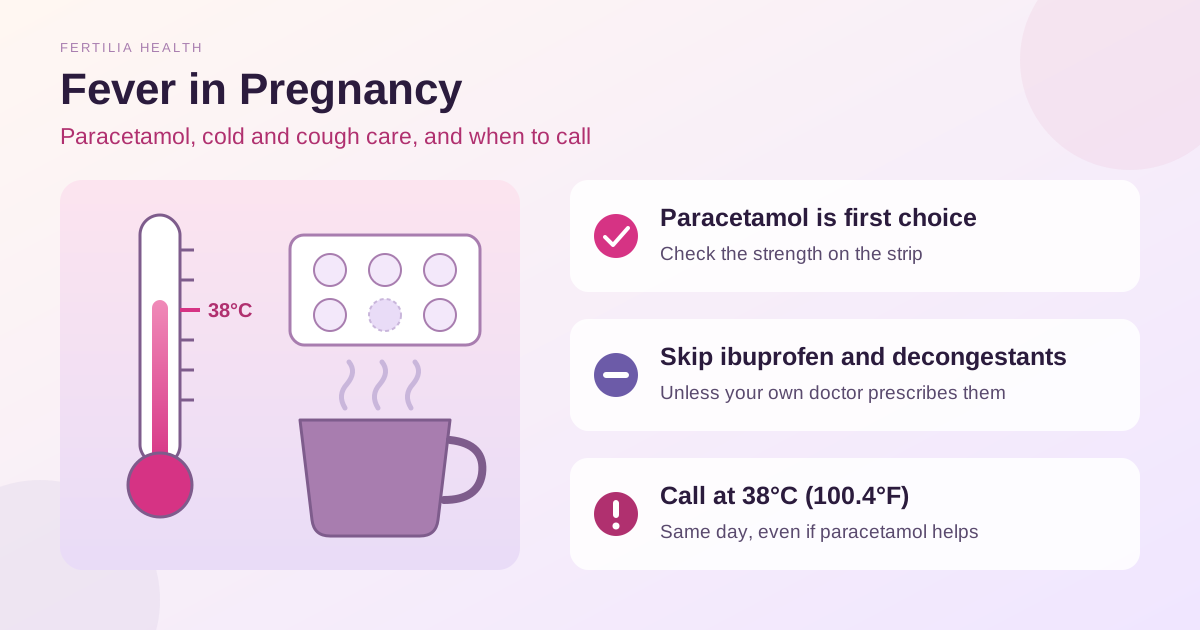
I’m Dr. Suganya Venkat, an OB-GYN with more than fifteen years of practice, and this is one of the most common messages women send me during pregnancy. Here is the short answer: paracetamol is the first-choice medicine for fever and pain in pregnancy, at every stage, when it is taken at the right dose. Bringing a fever down is part of looking after your baby, not a risk to it. What matters more than the tablet is knowing which fevers can be cared for at home and which ones need a doctor the same day.
Here is what this post covers:
- Why paracetamol is the medicine doctors reach for, and what the autism headlines got wrong
- How much to take, and why the number on your strip matters
- Which medicines to leave on the shelf
- Caring for a cold, cough or flu while pregnant
- Fever in India: dengue, urine infection and other causes your doctor may check
- The temperature and symptoms at which to call, and when to go to hospital directly
Why Doctors Treat a Fever in Pregnancy
A fever is your body’s response to an infection. Most fevers in pregnancy come from the same everyday viruses that cause colds and flu, and most settle within a few days without any effect on the baby.
There is still a good reason not to simply sit through a high fever, especially in the first three months. When researchers pooled 15 studies, a raised temperature in early pregnancy was linked with roughly twice the odds of a neural tube defect, a problem with the development of the baby’s spine or brain (Moretti ME et al., Epidemiology, 2005, PMID 15703536). A later review found the clearest links with neural tube defects, heart defects and cleft lip or palate after fever in the first trimester, and also found some evidence that fever-reducing medicine taken during the fever may be protective (Dreier JW et al., Pediatrics, 2014, PMID 24567014).
Please read those numbers calmly. Neural tube defects are uncommon to begin with, so even a doubled chance leaves the large majority of women who have a fever in early pregnancy with a healthy baby. The practical message is simple and encouraging: treat the fever, keep drinking, and find the cause. The folic acid you are already taking also protects against neural tube defects, which is one more reason to keep taking it every day. Our guide to folic acid before and during early pregnancy explains the dose and timing.
Paracetamol: Why It Is the First Choice
Paracetamol is the same medicine as acetaminophen. In India it is sold under many names, including Crocin, Dolo and Calpol, and in many combination tablets.
The NHS states that if you are pregnant, paracetamol is usually the best painkiller to use, and that it is commonly taken during pregnancy and does not harm your baby (nhs.uk, paracetamol for adults, reviewed March 2026). The UK Teratology Information Service, which writes the Bumps leaflets on medicines in pregnancy, describes paracetamol as the first-choice painkiller in pregnancy, safe to use throughout pregnancy for pain and fever, and the best studied painkiller in pregnancy (medicinesinpregnancy.org, paracetamol leaflet, September 2025). The same leaflet notes that treating a high temperature in early pregnancy may lower the chance of a neural tube defect.
What about the autism headlines?
You may have seen news stories, or forwarded WhatsApp messages, claiming that paracetamol in pregnancy causes autism or ADHD. I understand why they frighten people. Here is what the strongest evidence shows.
Earlier studies that found a small link compared different families, and families differ in many ways (genes, illnesses, the reasons a mother needed medicine) that can create a link that is not caused by the tablet itself. A Swedish study of nearly 2.5 million children dealt with this by comparing brothers and sisters born to the same mother, where one pregnancy involved paracetamol and the other did not. In those sibling comparisons, paracetamol use in pregnancy was not linked with autism, ADHD or intellectual disability, and higher use did not show a higher risk (Ahlqvist VH et al., JAMA, 2024, PMID 38592388).
The Bumps leaflet reaches the same conclusion: the highest-quality studies do not show that paracetamol exposure in the womb causes autism or affects other parts of a child’s development, and there is no reason to avoid it when pain or a high temperature needs treating (medicinesinpregnancy.org, September 2025). The sensible rule is the one that applies to every medicine in pregnancy: take it when you need it, not “just in case”, at the lowest dose that works and for the shortest time.
How Much Paracetamol, and for How Long
Always read the strength printed on your strip before you take anything, because Indian tablets come in different strengths.
For the common 500 mg tablet, the NHS adult dose is one or two tablets at a time, at least 4 hours apart, and no more than 8 tablets in 24 hours. If you weigh less than 50 kg, you may need a lower dose. The NHS also advises not taking paracetamol for more than 3 days unless a doctor tells you to (nhs.uk, paracetamol for adults, reviewed March 2026).
| Your strip says | What to do |
|---|---|
| Paracetamol 500 mg | NHS adult dose: 1 or 2 tablets, at least 4 hours apart, no more than 8 tablets in 24 hours |
| Paracetamol 650 mg (for example, Dolo 650) | A higher strength per tablet, so the 500 mg tablet counts above do not apply. Ask your doctor how many you can take in a day |
| Paracetamol plus another ingredient (many cold and flu tablets, some cough syrups) | Do not add plain paracetamol on top. Check the other ingredient with your doctor or pharmacist first |
A few practical points I share with women:
- Count every source of paracetamol. Cold and flu tablets and some syrups already contain it. Taking them alongside plain paracetamol is the most common way people take too much without realising.
- Keep a note on your phone of the time and the tablet each time you take a dose. When you are unwell and tired, it is easy to lose track.
- If you need it for more than 3 days, or need it most days, that is a reason to speak to your doctor about the cause, not to keep going.
- Weigh less than 50 kg, or have a liver condition? Check your dose with your doctor before you start.
If you have taken more than the recommended maximum in 24 hours, or you are not sure how much you have taken, get medical advice straight away from your doctor or the nearest hospital emergency department, even if you feel well. Too much paracetamol can harm the liver without causing symptoms at first, so it is important to be checked promptly.
Which Medicines to Leave on the Shelf
These are the medicines I ask women to avoid during pregnancy unless their own doctor has prescribed them:
- Ibuprofen (Brufen, Combiflam and many others). The Bumps leaflet advises against ibuprofen in pregnancy unless prescribed by a doctor, especially from 20 weeks onwards, when it can cause complications such as reduced fluid around the baby (medicinesinpregnancy.org, ibuprofen leaflet, March 2024). Other anti-inflammatory painkillers such as diclofenac and aceclofenac belong to the same family of medicines.
- Aspirin for fever or pain. If dengue is possible, WHO advises against both ibuprofen and aspirin because they can increase the risk of bleeding (who.int, dengue fact sheet). Low-dose aspirin prescribed for pre-eclampsia prevention is different, and is covered below.
- Decongestant tablets, nasal sprays and drops. Bumps advises avoiding these in pregnancy, and many over-the-counter cold remedies contain a decongestant, so ask a pharmacist before buying one (medicinesinpregnancy.org, colds and flu leaflet, July 2026).
- Cough syrups containing codeine. Bumps advises taking codeine in pregnancy only if your doctor recommends it (medicinesinpregnancy.org, codeine leaflet, September 2026).
- Antibiotics you have at home. A fever is often viral, and when it is bacterial, the choice of antibiotic in pregnancy depends on the cause. Let your doctor pick it.
Already on low-dose aspirin? If you take a small daily dose of aspirin prescribed to lower your risk of pre-eclampsia, do not stop it on your own. Mention it when you call about the fever, especially during dengue season, so your doctor can tell you whether to continue. Our guide to blood thinners in pregnancy explains who is prescribed low-dose aspirin and why.
The same principles apply to other kinds of pain, and our guide to headaches in pregnancy covers safe relief and the headache pattern that needs a call.
💜 Running a temperature and not sure what to take? Message Dr. Suganya on WhatsApp to book a ₹399 video consultation. Share your weeks of pregnancy, your temperature readings and any medicines you have taken. If you have any of the urgent signs listed further down, go to your hospital first.
Cold and Cough in Pregnancy: What Helps
A cold is very common in pregnancy. Bumps describes colds as usually mild, getting better after a few days, and not harmful to the baby, and says they can usually be cared for at home with paracetamol and self-care (medicinesinpregnancy.org, colds and flu leaflet, July 2026).
The NHS self-care advice for a cold works well in pregnancy too (nhs.uk, common cold, reviewed March 2026):
- Rest, and give yourself permission to take a day off.
- Drink plenty of fluids. Water, tender coconut water, thin buttermilk, rasam, or a homemade ORS all count.
- Gargle with warm salt water for a sore throat.
- A hot lemon and honey drink. Squeeze half a lemon into a mug of hot water and add one or two teaspoons of honey.
- Steam for a blocked nose. Sitting in the bathroom with a hot shower running can be soothing.
Eat what you can manage. Light, warm food such as idli, kanji, khichdi or rasam rice is easy on the stomach while your appetite is low. Small, frequent meals matter more than big ones.
Is it a cold or the flu?
The NHS explains the difference this way: a cold comes on gradually and affects mainly the nose and throat, while flu comes on within a few hours and leaves you exhausted and too unwell to carry on as normal (nhs.uk, common cold).
This difference matters in pregnancy. Pregnant women are at greater risk of severe illness from flu (who.int, seasonal influenza fact sheet), and Bumps notes that pregnant women are more likely to develop complications such as pneumonia. If you think you have flu, speak to your doctor the same day. Antiviral treatment may be offered to lower the chance of complications (medicinesinpregnancy.org, colds and flu leaflet, July 2026).
WHO recommends annual flu vaccination for pregnant women (who.int, seasonal influenza fact sheet). Our guide to vaccines in pregnancy explains when the flu vaccine can be given in pregnancy and how it also protects your baby.
A cough that lingers
A cough after a cold can take a couple of weeks to settle. Honey in warm water and steam can ease it. Before you buy a cough syrup, read the composition on the label, because many contain a decongestant, an antihistamine, codeine or paracetamol, and check with your doctor. See your doctor if you feel short of breath, have chest pain, cough up blood, or the cough keeps getting worse.
Fever in India: Causes Your Doctor May Check
In India, a fever in pregnancy is not always a simple cold, and your doctor will think about the season and where you live. Depending on your symptoms, they may suggest blood or urine tests to look for:
- Dengue, especially during and after the monsoon. WHO lists high fever, severe headache, pain behind the eyes, muscle and joint pains, nausea, vomiting and rash as common symptoms. Importantly, the signs of severe dengue often come after the fever has gone away: severe abdominal pain, persistent vomiting, rapid breathing, bleeding gums or nose, blood in vomit or stool, feeling very thirsty, pale and cold skin, restlessness or weakness (who.int, dengue fact sheet). If you have dengue, a falling temperature does not mean you can stop being watchful.
- A urine infection. Fever with burning when passing urine, back or side pain, or shivering can mean the infection has reached the kidney, which needs treatment the same day. Our guide to UTI in pregnancy explains the warning signs and the antibiotics used.
- Malaria or typhoid, in areas or seasons where they are common, or when a fever lasts several days.
- Flu, COVID-19 or a chest infection, when the fever comes with cough and body aches.
You do not need to work out the cause yourself. Note your temperature readings, your other symptoms, and what you have taken, and share them with your doctor. That record helps far more than a guess.
When to Call, and When to Go to Hospital
How to take your temperature
Feeling hot is not always a reliable guide. Use a digital thermometer under the tongue, and do not take a reading straight after a hot or cold drink. The NHS describes a high temperature as feeling hotter than usual, shivering, or a thermometer reading of 38°C or above, which is 100.4°F (nhs.uk, pregnancy symptoms you need to get help for, reviewed June 2026). Many Indian thermometers show Fahrenheit, so 100.4°F is the number to remember.
Call your doctor the same day if
- Your temperature is 38°C (100.4°F) or above, even if paracetamol brings it down. The NHS lists high temperature among the pregnancy symptoms to get checked, because it can be a sign of infection.
- You think you may have flu.
- You have fever with burning when passing urine or back pain.
- The fever has lasted more than 2 to 3 days, or keeps coming back.
- You cannot keep food down but are managing small sips of fluid.
Go to your hospital or labour ward now if you have any of these
These signs need urgent assessment whether or not you have a fever, and even if paracetamol has brought your temperature down.
- Fluid leaking from the vagina, or discharge that smells unpleasant. Our guide to water breaking early explains how to tell your waters from urine or discharge.
- Your baby moving less than usual, if you are past the stage of feeling regular movements. Our guide to fetal movement explains what a change in pattern looks like.
- Vaginal bleeding, or regular tightening or pain in the abdomen.
- Breathlessness, chest pain, or breathing that feels fast.
- Confusion, unusual drowsiness, or a severe headache with a stiff neck.
- Skin that is cold, clammy, pale or blotchy, or shivering you cannot stop.
- Any warning sign of severe dengue from the list above, even after the fever has settled.
- You cannot keep any fluids down, or are passing very little urine.
This list is not meant to frighten you. Most fevers in pregnancy turn out to be a passing virus. It is here so that if one of these happens, you know straight away what to do and do not lose time wondering.
What It Is Called in Tamil, Hindi and Telugu
Many women search for this in their own language, often in Roman letters. These are common ways the question is asked:
| Language | Common search terms |
|---|---|
| Tamil | Pregnancy la kaichal; karppa kaalathil kaichal; pregnancy la Dolo podalama |
| Hindi | Pregnancy me bukhar; garbhavastha me bukhar; pregnancy me paracetamol le sakte hain |
| Telugu | Pregnancy lo jwaram; garbhadharana samayamlo jwaram; pregnancy lo Dolo veskovacha |
| English (search) | Fever during pregnancy; paracetamol in pregnancy; cold and cough during pregnancy |
When you call your doctor, simply saying “I am pregnant and I have a fever” with your temperature reading is all you need to begin.
Practical Takeaways
- Keep a digital thermometer at home and know the number: 38°C, or 100.4°F.
- Paracetamol is the first choice for fever and pain at every stage of pregnancy. Check the strength on the strip, keep to the dose, and do not double up with combination cold tablets.
- Avoid ibuprofen, aspirin for pain, decongestants and codeine syrups unless your own doctor has prescribed them.
- Keep sipping fluids, rest, and eat light meals.
- Call the same day for a temperature of 38°C or above, suspected flu, or fever with urinary symptoms.
- Go to hospital for leaking fluid, reduced movements, bleeding, breathlessness or dengue warning signs, with or without a fever.
- Ask about the flu vaccine at your next antenatal visit.
For a wider view of what helps and what to skip through the nine months, see our evidence-based pregnancy do’s and don’ts.
Frequently Asked Questions
Is paracetamol safe in pregnancy? (Pregnancy me paracetamol le sakte hain?)
Yes. Paracetamol is the first-choice medicine for fever and pain in pregnancy and can be used in every trimester. The NHS says it is usually the best painkiller to use in pregnancy and does not harm your baby. Take it when you need it, at the lowest dose that works and for the shortest time, and speak to your doctor if you need it for more than 3 days.
Can I take Dolo 650 during pregnancy?
Dolo 650 is paracetamol at a strength of 650 mg per tablet, so it is the same medicine. Because it is stronger than the 500 mg tablet, the usual 500 mg tablet counts do not apply. Ask your doctor how many you can take in a day, keep at least 4 hours between doses, and do not combine it with any other product that contains paracetamol.
Is fever in pregnancy harmful to the baby?
Most fevers in pregnancy are caused by common viruses and pass without affecting the baby. A high fever in the first trimester has been linked with a higher chance of some birth defects, such as neural tube defects, though the chance remains small. Bringing the temperature down with paracetamol and finding the cause is the right approach, and folic acid adds protection.
What can I take for a cold and cough in pregnancy?
Rest, plenty of fluids, warm salt-water gargles, a hot lemon and honey drink and steam all help, and paracetamol can be used for aches and fever. Avoid ibuprofen and decongestant tablets, sprays and drops. Check the label of any cough syrup with your doctor before taking it, since many contain decongestants, codeine or paracetamol.
At what temperature should a pregnant woman call the doctor?
Call your doctor the same day if your temperature is 38°C (100.4°F) or above, even if it comes down with paracetamol. Go to hospital directly if you have leaking fluid, reduced baby movements, bleeding, breathlessness, confusion, or any warning sign of severe dengue, with or without a fever.
Did studies show paracetamol in pregnancy causes autism?
No. The most reliable evidence does not show this. A Swedish study of nearly 2.5 million children compared siblings born to the same mother and found no link between paracetamol use in pregnancy and autism, ADHD or intellectual disability. UK guidance from the Bumps service says there is no reason to avoid paracetamol when pain or fever needs treating.
What should I do if I have dengue while pregnant?
Take paracetamol for fever and pain, and avoid ibuprofen and aspirin, which can increase the risk of bleeding. Drink plenty of fluids, and see your doctor in person promptly if dengue is suspected. Doctors take dengue in pregnancy more seriously, so your doctor will usually arrange blood tests and close monitoring, and may advise a hospital stay even if you feel only mildly unwell. Go to hospital straight away if you have severe abdominal pain, persistent vomiting, bleeding gums or nose, or fast breathing, especially as the fever settles.
You Do Not Have to Guess
A fever in pregnancy brings up a lot of worry in a short time, often late at night. At Fertilia, a video consultation with Dr. Suganya Venkat lets you go through your readings, symptoms and medicines together and leave with a clear plan, rather than sorting through forwarded messages alone.
💜 Want help with a fever, a cold, or any medicine question in your pregnancy? Message Dr. Suganya on WhatsApp to book a ₹399 video consultation, available online across India. You can also download our free pregnancy guide for week-by-week support through each trimester.