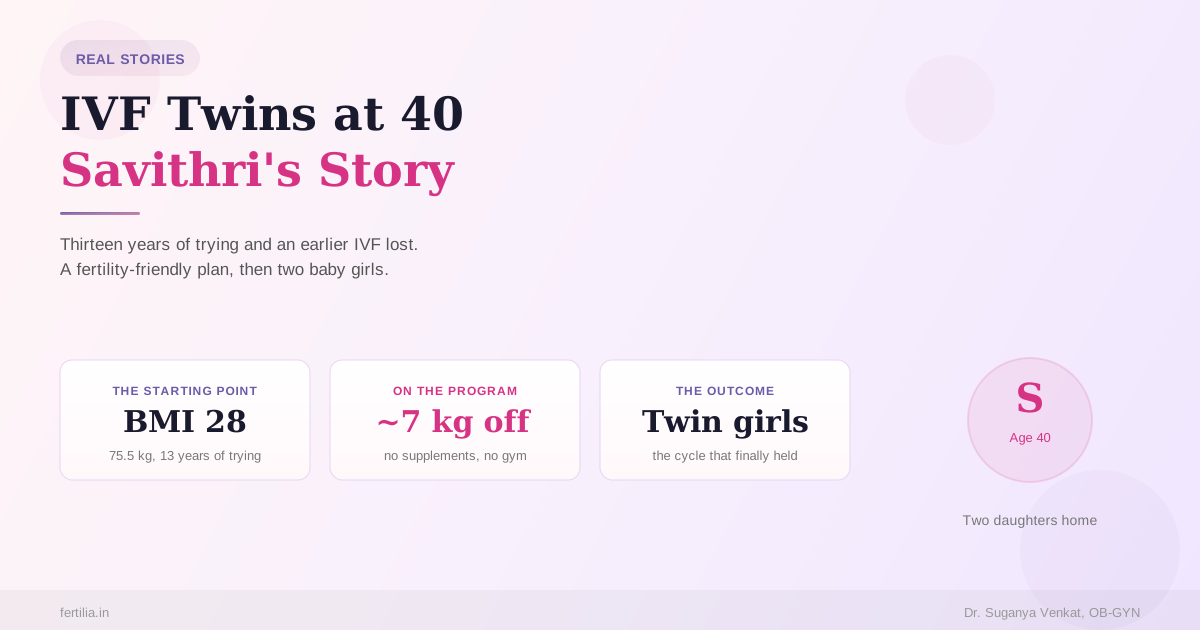
Name has been changed to protect patient privacy. Clinical details and images are shared with the patient’s consent.
Thirteen years is a long time to keep hoping.
When Savithri reached out to us, she was 40 and had been trying to have a baby for thirteen years. In that time she had been through more than most couples ever face: a pregnancy that implanted in the wrong place, an early IVF pregnancy that did not last, and a later pregnancy with twins that could not continue. By the time she came to Fertilia, she was carrying both a deep wish to be a mother and the weight of everything that had not worked.
Her fertility team had a plan: another IVF cycle. Savithri came to us with one goal before that cycle began. She wanted to walk into it with her body as ready as it could be, having already tried, and failed, to lose weight on her own.
This is how she got there, and how the cycle that followed gave her two daughters.
Where She Started
Savithri is 40. Her husband, Sathish, is 43. They had been married thirteen years, and almost all of that time had been spent trying to start a family.
Her history was long and difficult:
- 2017: A pregnancy implanted in her fallopian tube (an ectopic pregnancy), and the tube had to be removed.
- 2020: She conceived through IVF, but the pregnancy stopped growing at around nine weeks.
- 2022: She conceived once more, this time with twins, and that pregnancy also could not continue.
Each of those losses left its own mark. By 2024 she was ready to try again, and her fertility team began planning a fresh IVF cycle.
Savithri’s profile at intake:
- Age: 40
- Height: 162 cm
- Weight: 75.5 kg (BMI: 28)
- Cycles: Regular, 29 to 30 days
- History: One fallopian tube, an earlier IVF pregnancy lost at nine weeks, and a later twin pregnancy that did not continue
- The frustration she came with: She had been working out hard at a gym and eating a restrictive diet, and the weight simply would not move
That last point mattered more than it might seem. Savithri was not someone avoiding effort. She had been putting in long, punishing sessions at the gym and cutting her food right back, and the scale had barely shifted. She had reached the point many women reach, where the harder they push, the more stuck they feel, and she had eventually left that program discouraged.
Preparing for IVF or an Embryo Transfer?
If you want to give your body its best chance before a cycle begins, we can help you understand which changes genuinely matter, and which do not. We work alongside your fertility specialist, never in place of them.
Why the Gym Had Not Worked, and What We Changed
There is a common belief that weight comes off if you simply train harder and eat less. For many women, and especially women carrying the kind of metabolic and hormonal load that years of fertility treatment can bring, that approach can backfire. Very heavy training paired with a very restrictive diet can leave the body stressed and holding on, rather than letting go. Savithri’s experience was a textbook example: maximum effort, minimal result.
What she had not had before was a plan built around her actual life and her own kitchen. Here is what the evidence says about why getting this right before a cycle is worth the effort:
BMI and IVF outcomes. A review of 33 studies found lower live birth rates after IVF/ICSI among women with BMI at least 25 compared with those below 25 (Rittenberg et al., 2011, Reproductive BioMedicine Online, PMID 21885344). Comparing BMI groups does not tell us whether losing weight before treatment changes that outcome.
What weight-loss trials show. A separate review of 12 randomized trials in women with obesity found more pregnancies overall after pre-IVF weight-loss interventions, particularly unassisted conceptions. Effects on pregnancies from IVF alone and on live births remained uncertain (Michalopoulou et al., 2025, Annals of Internal Medicine, PMID 40789178). That evidence does not show that a particular preparation program caused Savithri’s pregnancy.
So instead of pushing her harder, we did the opposite. We took the pressure off, rebalanced her food, and let gentler, consistent movement do the work.
The Plan: Her Own Kitchen, Rebalanced
We did not hand Savithri an unfamiliar diet. She eats South Indian food, mostly non-vegetarian, on a steady daily rhythm with breakfast around 8:30, lunch at 1, and an early dinner by 7. Our nutritionist kept all of that and built an anti-inflammatory plan set at around 1,200 kcal, with roughly 75 g of protein a day, entirely around foods she already cooked.
The structure was simple:
- Protein at every meal to keep her full and steady: egg, paneer, fish, chicken, and pulses like sprouted green gram
- Complex carbohydrates in measured portions: chapati, millets, and vermicelli kept, not banned, just portioned
- Vegetables and a raw side at most meals, usually cucumber or a poriyal
- Consistent meal timings and around 2.5 litres of water a day
A few of her actual plates show how ordinary the food was.
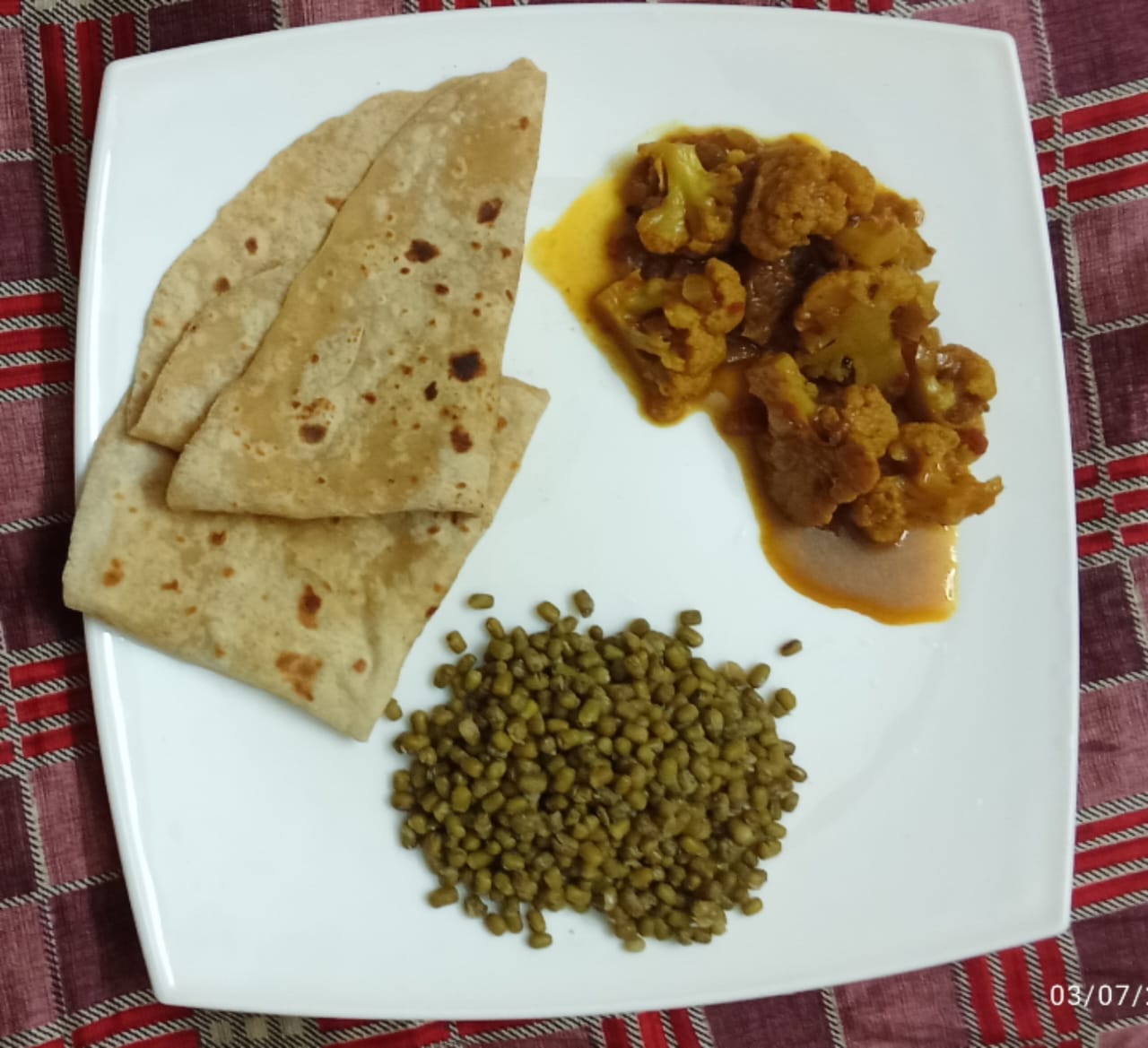
Two chapatis with a cauliflower (gobi) curry and a portion of sprouted green gram:
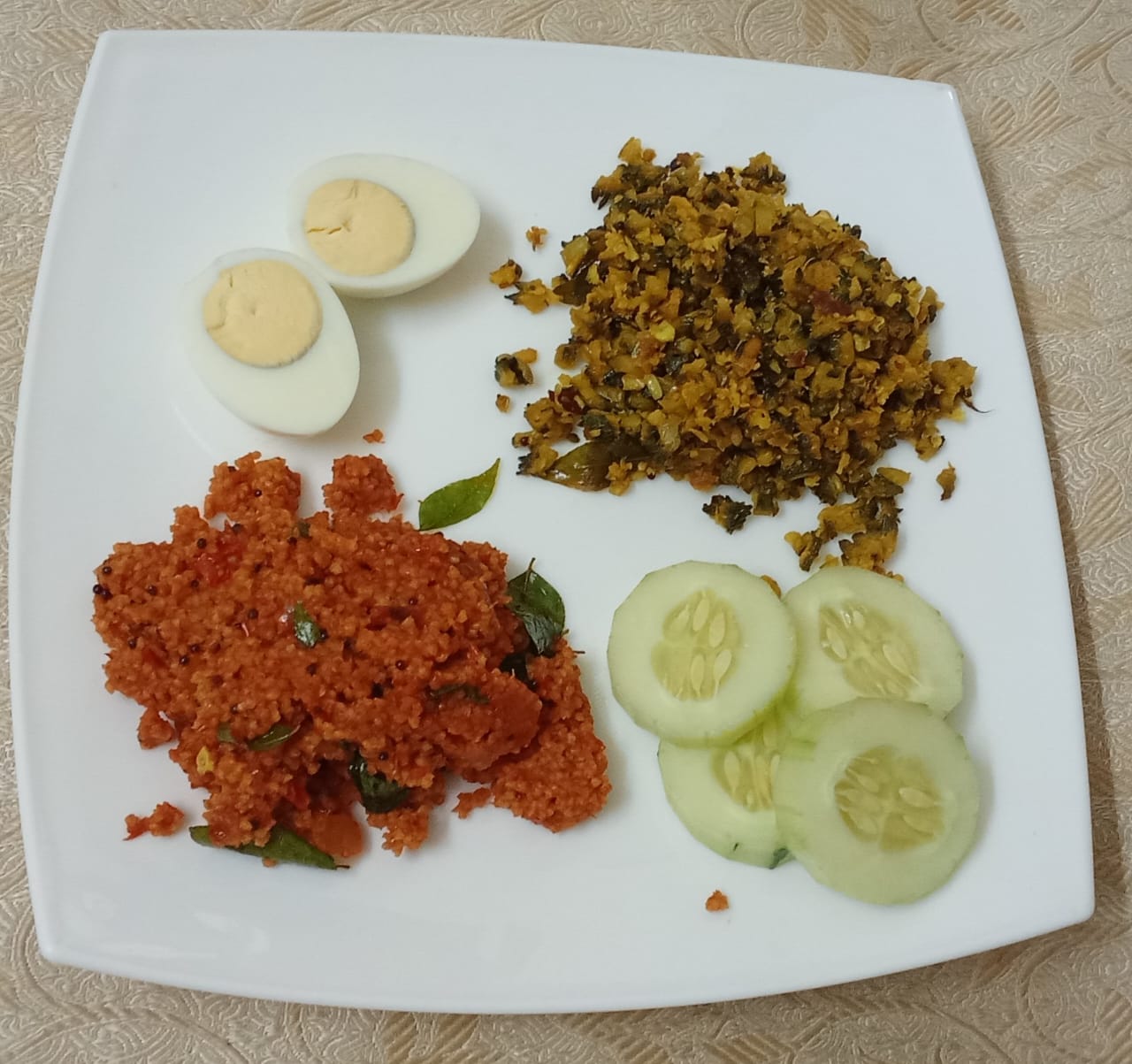
A boiled egg with a keerai (greens) poriyal, a small portion of tomato millet, and sliced cucumber:
And a vegetable egg dish with capsicum and onion, a portion of vermicelli (semiya), and cucumber:
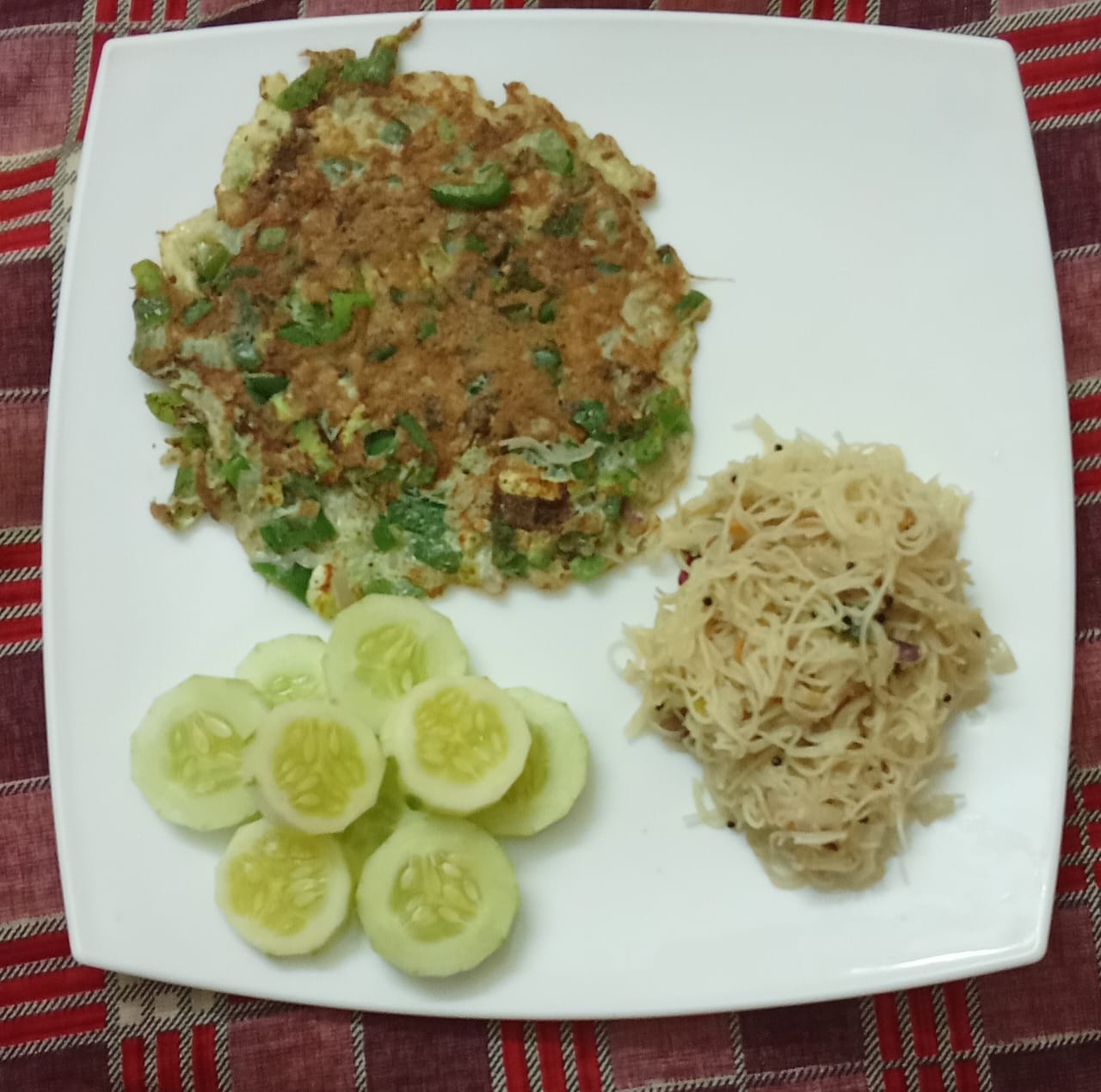
There was no imported superfood on any plate and no supplement shopping list. Just her own cooking, portioned and balanced, with protein brought forward and a raw vegetable built in.
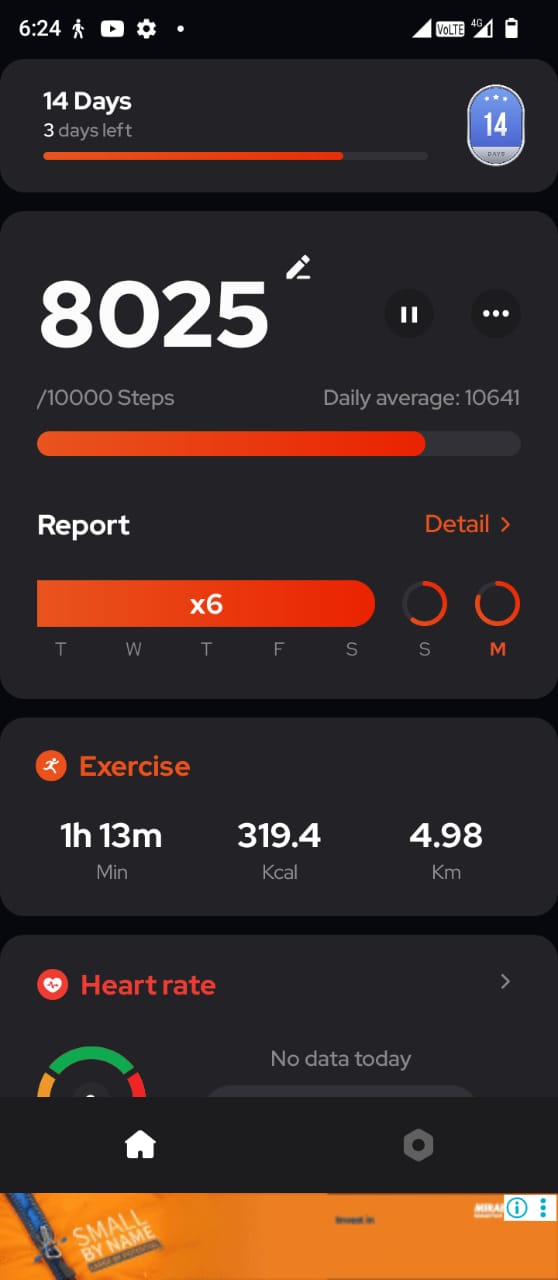
Movement changed too. Instead of the exhausting gym sessions, she moved gently and often. Her step tracker tells the quieter story: a six-day streak, a daily average above 10,000 steps, and a little over an hour of activity on her active days.
What Changed, in About a Month
For the first time in a long time, the scale moved without Savithri having to starve or punish herself.
In the first month alone, her weight came down from 75.5 kg to 72.35 kg.
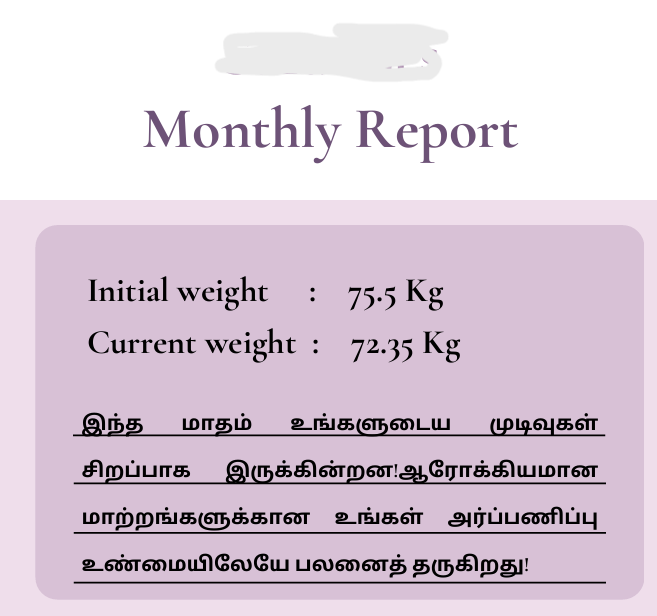
Over the full length of the program she lost about 7 kg, taking her BMI from 28 down toward 26. It happened gradually, with no supplements and no extreme dieting, which meant her body went into the IVF cycle nourished rather than depleted. In her weekly reviews she described feeling more energetic and active, and, perhaps most tellingly, hopeful again. The same effort that had felt pointless at the gym was finally paying off.
The Cycle That Worked
With her body in a far steadier place, Savithri returned to her fertility team and went ahead with IVF and an embryo transfer, about three months after she started with us.
This time, it held.
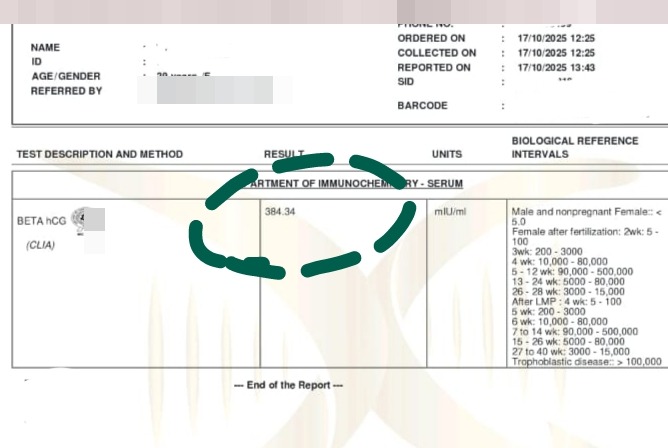
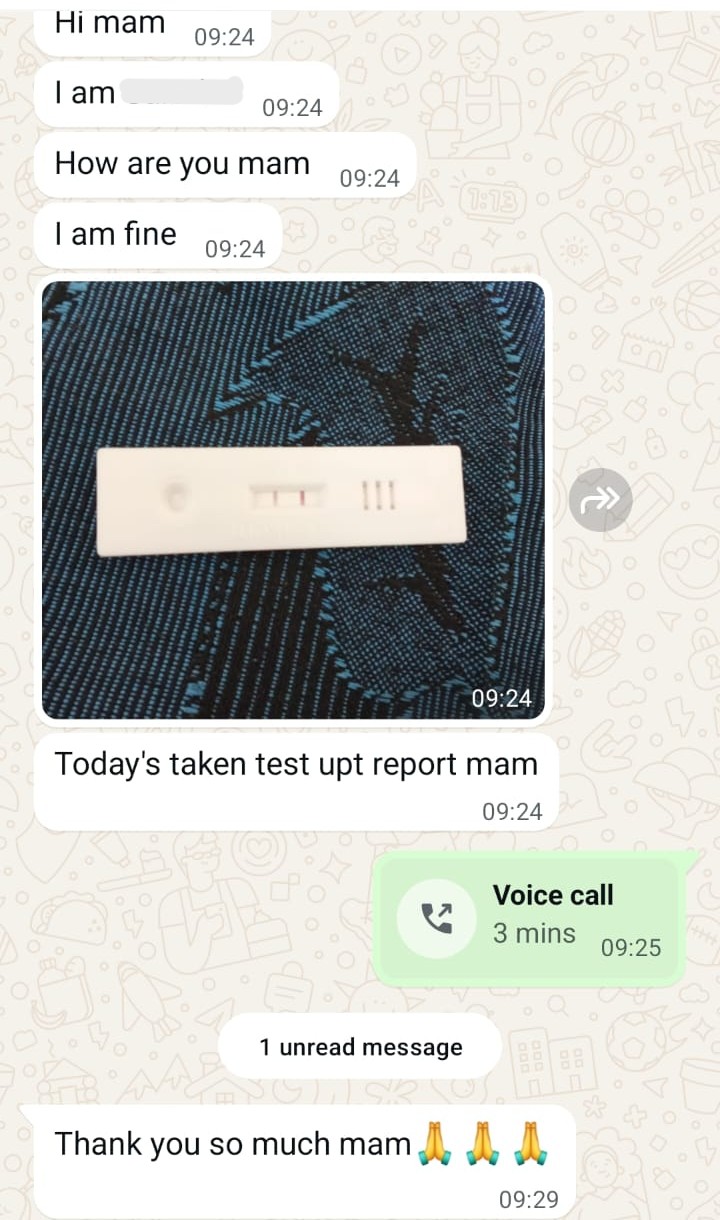
A clearly positive beta hCG confirmed the pregnancy.
She also took a home pregnancy test and sent it across, with a simple thank you.
A Twin Pregnancy
A few weeks later, an early scan showed something Savithri had spent thirteen years waiting to see: two babies, each in their own sac, both with a heartbeat (a DCDA twin pregnancy).
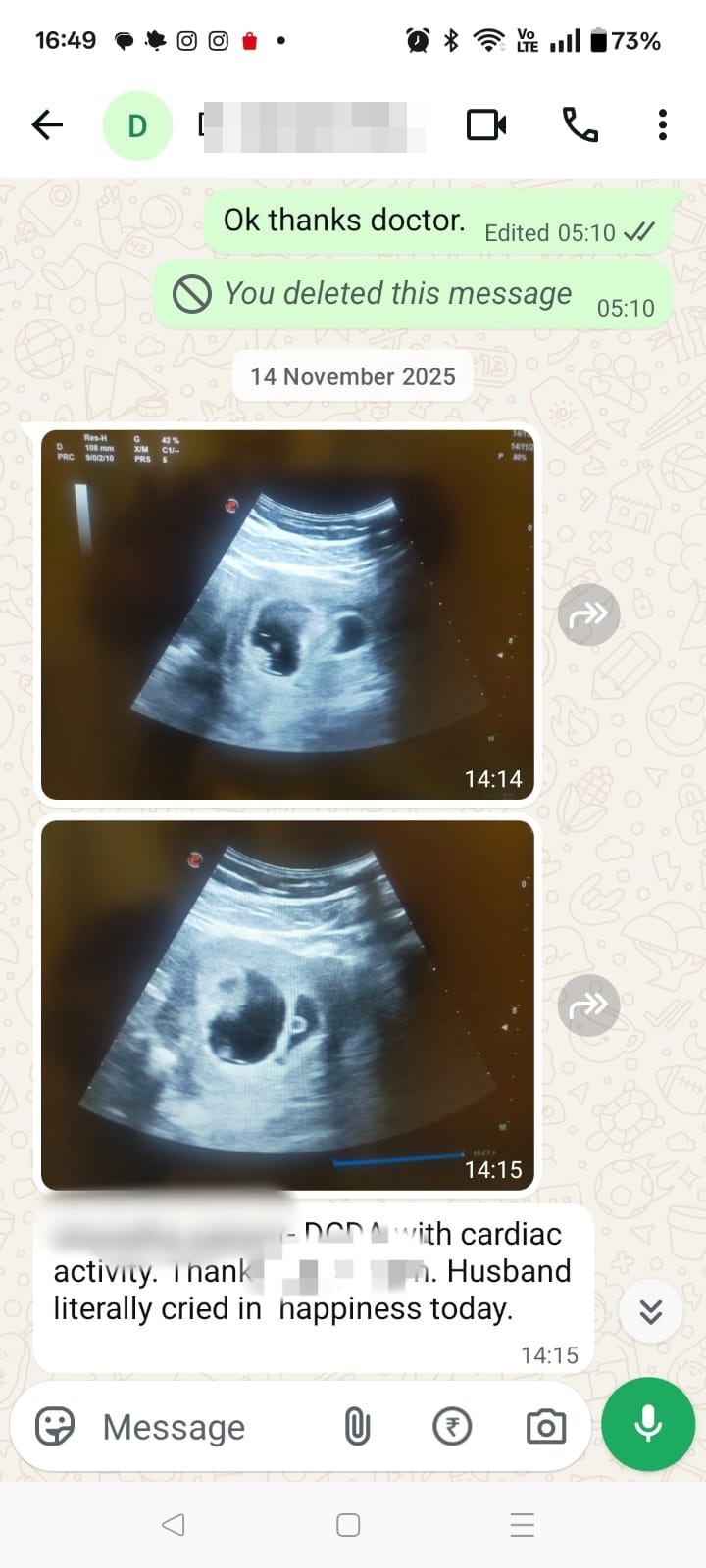
The message she sent that day, after years of scans that had brought hard news, said it best: her husband cried with happiness.
We stayed with her through those early weeks, the time when previous losses make every day feel longer, supporting her on food, gentle movement, and the worries that arrive at 2 a.m.
Two Baby Girls
In May 2026, Savithri delivered two healthy baby girls by caesarean (LSCS). They weighed 1.75 kg and 2.1 kg, and both were well.
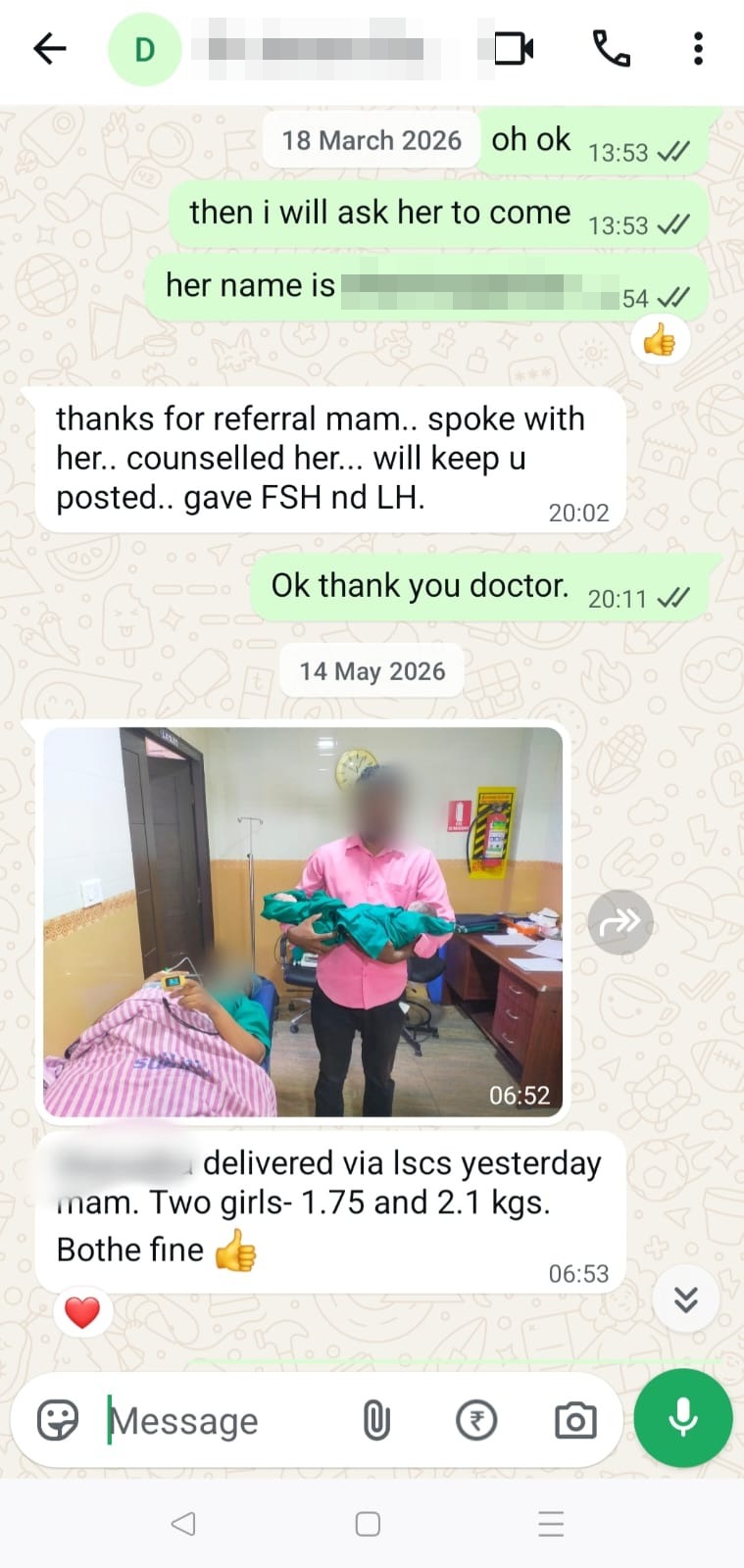
After thirteen years, an ectopic pregnancy, an earlier IVF loss, and a twin pregnancy that could not continue, Savithri and Sathish brought two daughters home.
In Her Own Words
The messages she sent along the way, shared as she wrote them, tell the story plainly. When the pregnancy test came back positive: “Thank you so much mam.” And after the birth: “Delivered via LSCS yesterday mam. Two girls, 1.75 and 2.1 kgs. Both fine.”
That is the whole journey in two short notes: a long wait, and then two daughters.
What This Story Teaches Us
1. Working harder is not always the answer
Savithri had been training intensely and eating very little, and her weight would not move. Very heavy effort paired with very little food can leave the body stressed and holding on. A balanced, anti-inflammatory plan she could actually sustain did what the gym could not. If weight loss feels impossible no matter how hard you push, the plan may need changing, not your willpower.
2. Preparation is part of the treatment, not a delay before it
The weeks before an IVF cycle are an opportunity, not dead time. Bringing weight and metabolic health into a better place gives a cycle better conditions to work with. For Savithri, a few months of steady preparation came before the transfer that finally held.
3. A cycle that did not work before can work again
An earlier IVF pregnancy had been lost. That does not mean the door is closed. With one fallopian tube gone and a long history of loss behind her, Savithri still went on to a healthy twin pregnancy. A previous disappointment is not a verdict on the next attempt.
4. The kitchen you already have is usually enough
Savithri’s plates were chapati, millet, vermicelli, egg, paneer, sprouts, poriyal, and cucumber. The change was in balance and portion, not in buying anything new. A plan that lives inside the family’s normal cooking is a plan that holds. For more on this approach, see our anti-inflammatory diet guide for Indian women.
5. We work with your fertility team, not instead of them
Savithri’s IVF, the stimulation, the retrieval, and the transfer, was managed by her fertility specialist. Our role was the lifestyle layer alongside them: nutrition, gentle movement, and daily support so her body was as ready as possible. The two worked together.
Getting Ready for Your Own Cycle?
Every woman’s situation is different. Whether you are heading into your first IVF cycle or trying again after a cycle that did not work, getting your body ready beforehand can make a meaningful difference. You can read more about how we support couples at every stage of a cycle on our IVF support program page. We work alongside your fertility specialist.
Frequently Asked Questions
Can IVF work after a failed cycle?
Yes, it often can. A cycle that does not result in a baby does not mean future cycles will fail too. Many factors influence an IVF outcome, and some of them, including weight and metabolic health, can be improved before the next attempt. Savithri had an earlier IVF pregnancy that was lost, then went on to a healthy twin pregnancy after preparing her body. Your fertility specialist can advise on what, if anything, to change before trying again.
Does losing weight before IVF improve the chances of success?
An improvement in IVF success cannot be promised. Rittenberg’s review compared BMI groups, not weight-loss treatments (2011, Reproductive BioMedicine Online, PMID 21885344). A later review of randomized weight-loss trials found more total pregnancies, especially unassisted conceptions, but uncertain effects on IVF-only pregnancies and live births (Michalopoulou et al., 2025, Annals of Internal Medicine, PMID 40789178). Discuss weight management and treatment timing with your fertility specialist rather than treating a weight target as a prerequisite for success. For budgeting, here is what IVF actually costs in India.
Why couldn’t she lose weight at the gym but could on this plan?
Very intense exercise combined with a very restrictive diet can keep the body in a stressed, holding-on state, especially after years of hormonal and metabolic strain. A gentler, sustainable approach, with balanced anti-inflammatory food and consistent everyday movement rather than punishing workouts, often works better. The goal is a steady, livable routine, not maximum effort.
Can you conceive at 40?
Yes. Fertility does decline with age, but pregnancy at 40 is possible, including through IVF. Savithri conceived a twin pregnancy at 40 after preparing her body and going through an embryo transfer with her fertility team. Age is one factor among many, not the whole story.
Is a twin pregnancy after IVF safe?
Twin pregnancies need closer monitoring than single ones, and many are delivered a little early, often by caesarean, which is exactly what happened in Savithri’s case. With good antenatal care, healthy outcomes are very achievable. Her daughters were born at 1.75 kg and 2.1 kg and both were well. Your obstetric team will guide the monitoring and delivery plan.
Was Savithri on any supplements to lose the weight?
No. Her weight loss came entirely from rebalanced home-cooked food and consistent gentle movement, with regular follow-ups from our team. Any medication relating to her fertility cycle was managed by her treating doctors.
Does Fertilia replace my IVF doctor?
Not at all. Your fertility specialist runs the medical side of IVF: the stimulation, the retrieval, and the transfer. We handle the lifestyle layer alongside them, so your body is as ready as possible. Savithri’s specialist managed her cycle while we helped her prepare for it and supported her through the early weeks afterwards.
Related Case Studies
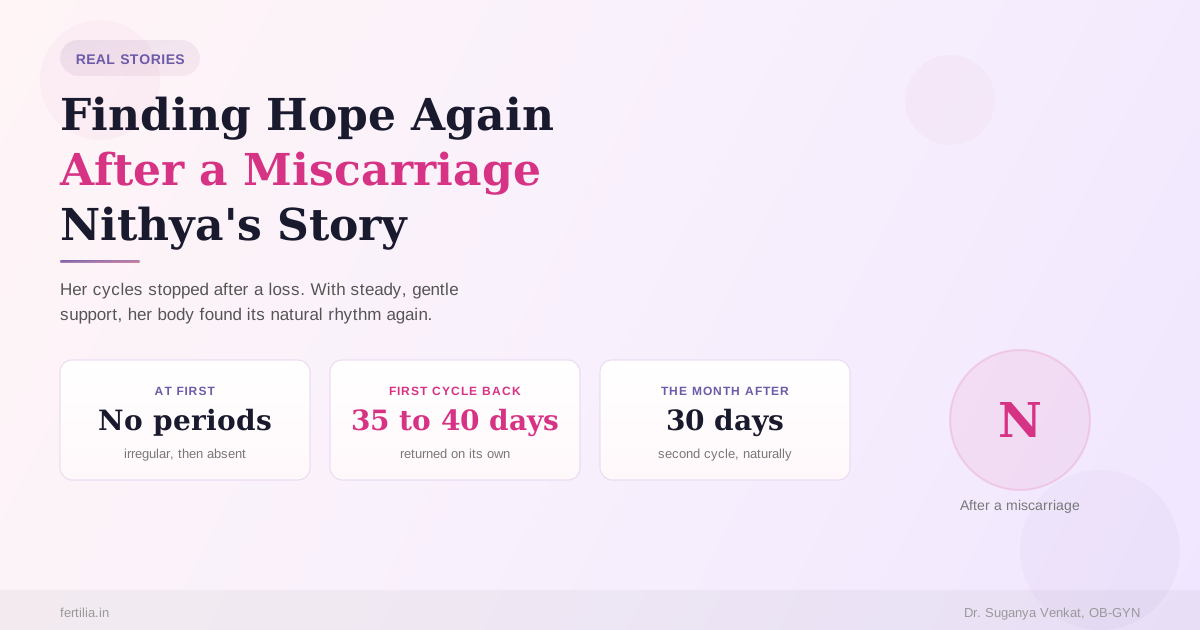
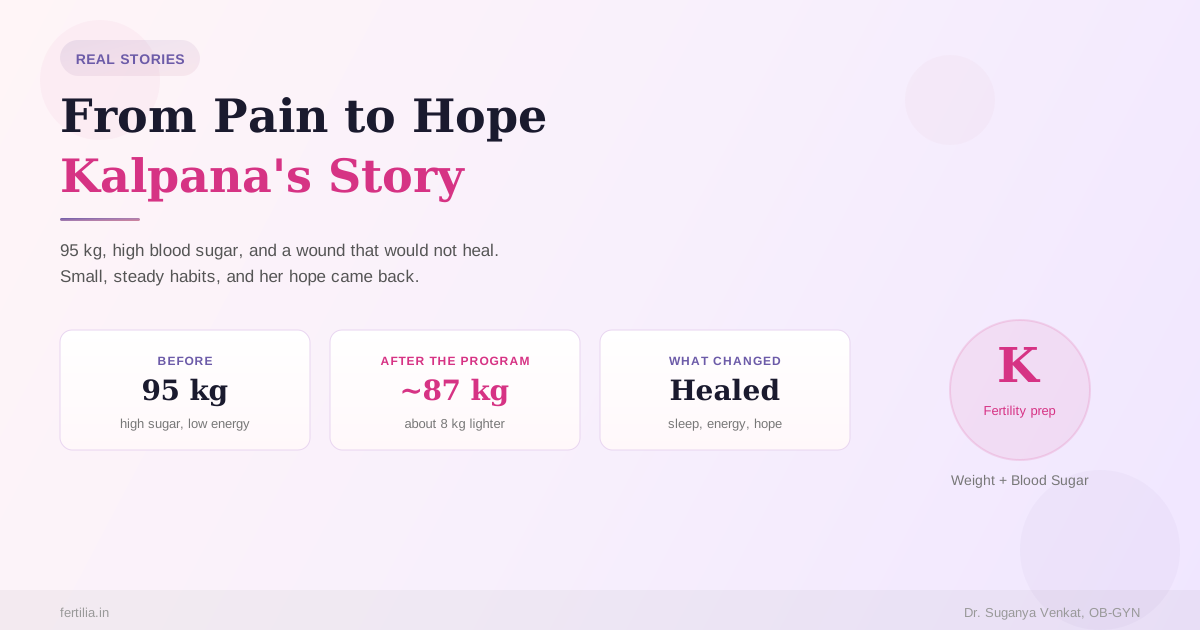
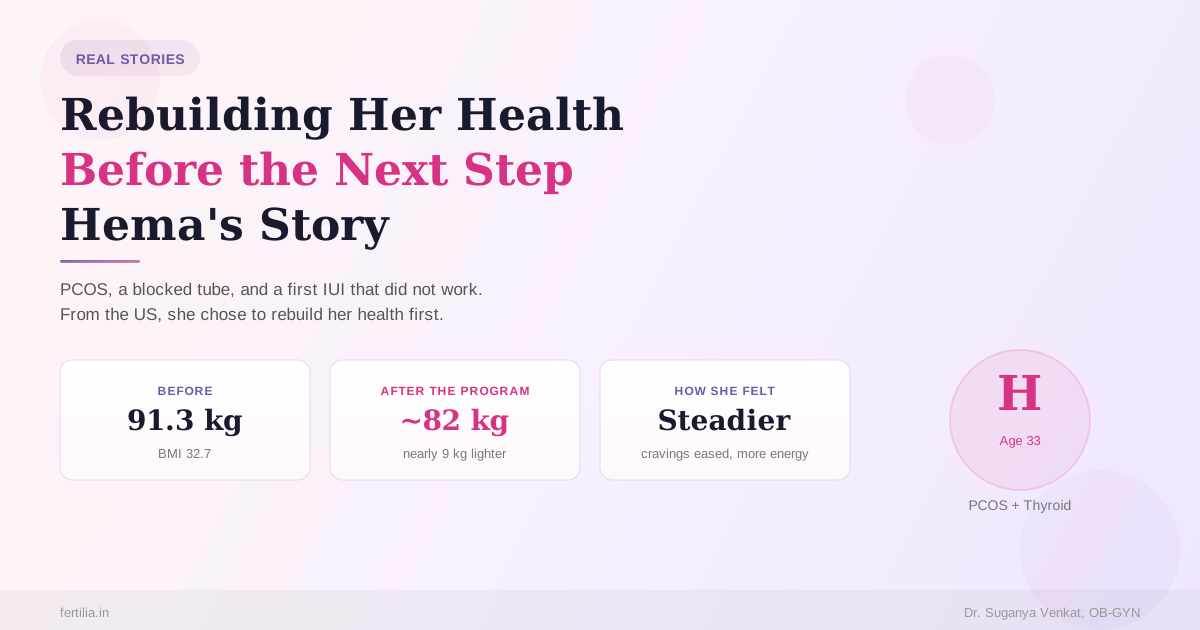
- How Kavitha conceived in her first IVF cycle. After ten years of trying and a miscarriage, Kavitha lost about 6 kg in two months and conceived on her first cycle.
- How Madhu’s embryo transfer succeeded. After a failed transfer, Madhu lost 6 kg and brought her blood sugar into a healthy range, and her next transfer succeeded.
- How Fertilia supports IVF journeys: five real stories. Five women across the windows where IVF preparation matters most.
This is part of a series of patient case studies from our clinic. Every story is real, verified, and shared with the patient’s explicit consent. Names and identifying details are changed to protect privacy.
Dr. Suganya Venkat is an OB-GYN with 15+ years of experience. She holds an MBBS (SRMC, 5 Gold Medals), MD in Pathology (CMC Vellore), and DNB in OB-GYN (GKNM Hospital, Coimbatore).