Name has been changed to protect patient privacy. Clinical details and images are shared with the patient’s consent.
When Nithya first reached out to us, she was carrying much more than a health concern. She was carrying the quiet grief of a miscarriage, and the worry that came after it.
After her loss, her body had gone through a series of hormonal changes. Her cycles first turned irregular, and then, over time, her periods stopped coming altogether. For a woman who was hoping to conceive again, that silence from her own body was frightening. Every month that passed without a period felt like another month of not knowing whether things were moving in the right direction.
The Woman Behind the Worry
In our first video consultation, it was easy to see how tired she was, not physically, but emotionally. A miscarriage takes a toll that rarely shows up on any scan. And yet, alongside all of that, Nithya had one thing that stood out immediately. She had hope. She told us she believed she had come to the right place, and that she was ready to do whatever it took to feel well again. Her words were simple: “I will give my best, and I will trust the process.”
That mindset turned out to be one of her greatest strengths.
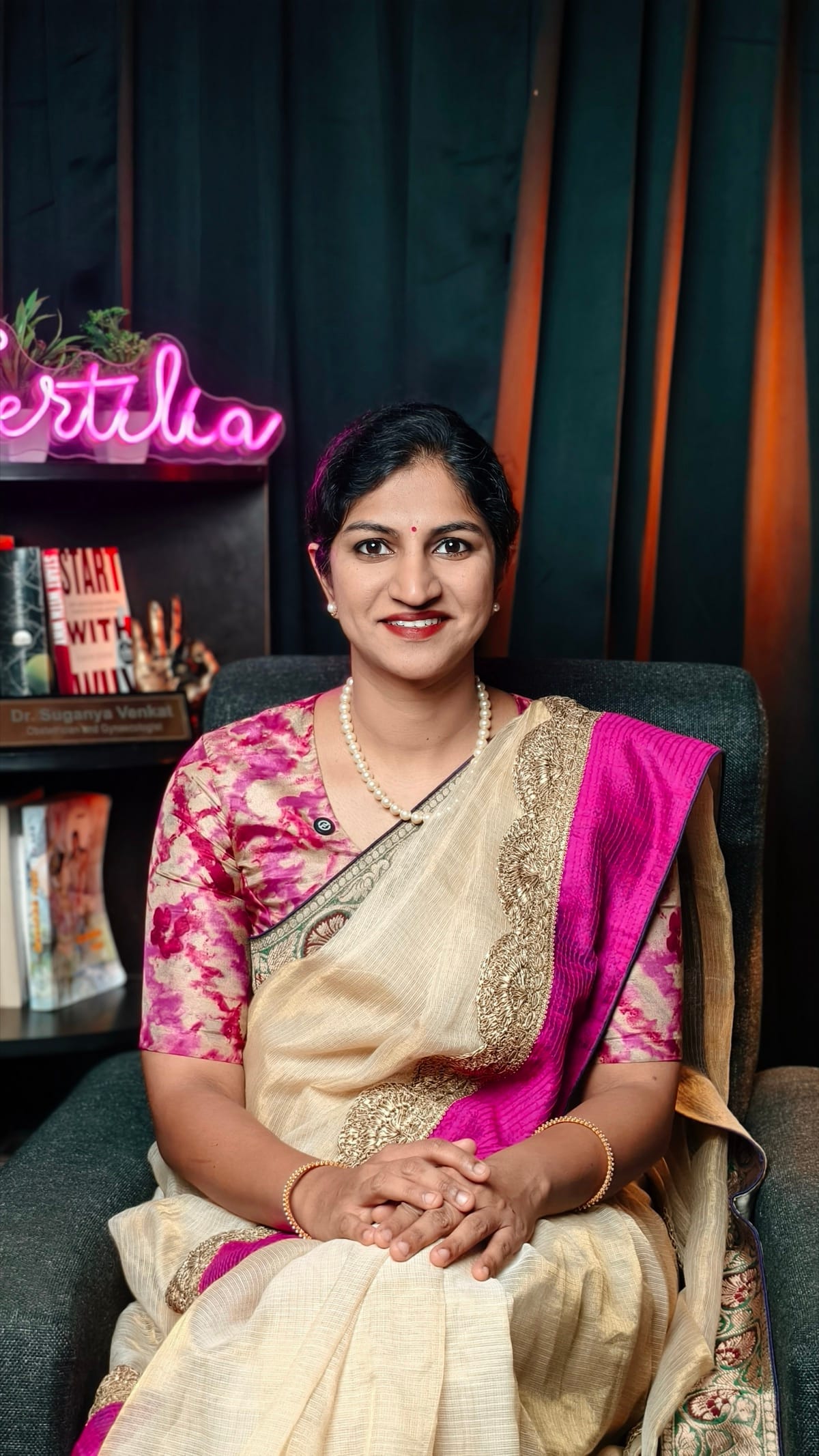
I am Dr. Suganya Venkat, an OB-GYN, and in more than fifteen years of practice I have sat with many women in exactly this place, where the body has gone quiet after a loss and the fear is that it may stay that way. It almost never does. The body is far more capable of finding its rhythm again than it feels like in those first anxious weeks. What it usually needs is not pressure, but steady, patient support.
Understanding Her Life Before Building a Plan
We did not begin with a diet chart. We began with questions.
We spent time understanding Nithya’s daily routine, her food habits, her work schedule, and the specific challenges she was facing after the miscarriage. Only then did we build her plan. It was a nutrition and lifestyle plan shaped around her actual life, with one clear medical goal: to help her body restore its hormonal balance naturally and gently.
The food was familiar, everyday South Indian home cooking, nothing exotic or hard to source. Balanced plates, built around whole grains, dals and pulses for protein, plenty of vegetables, and curd, in portions that suited her. (For more on this, our fertility foods in an Indian diet guide covers the same everyday ingredients.)
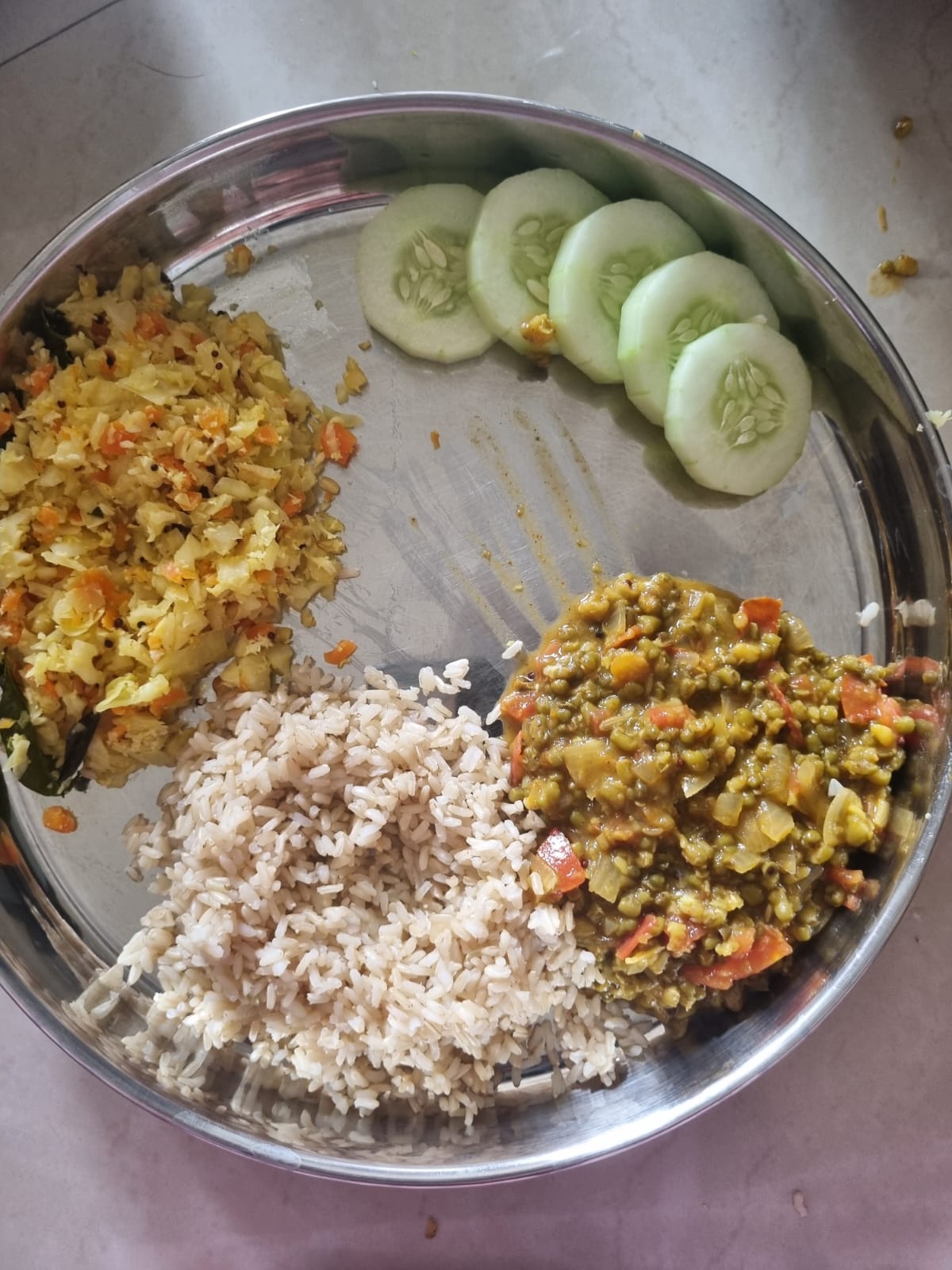
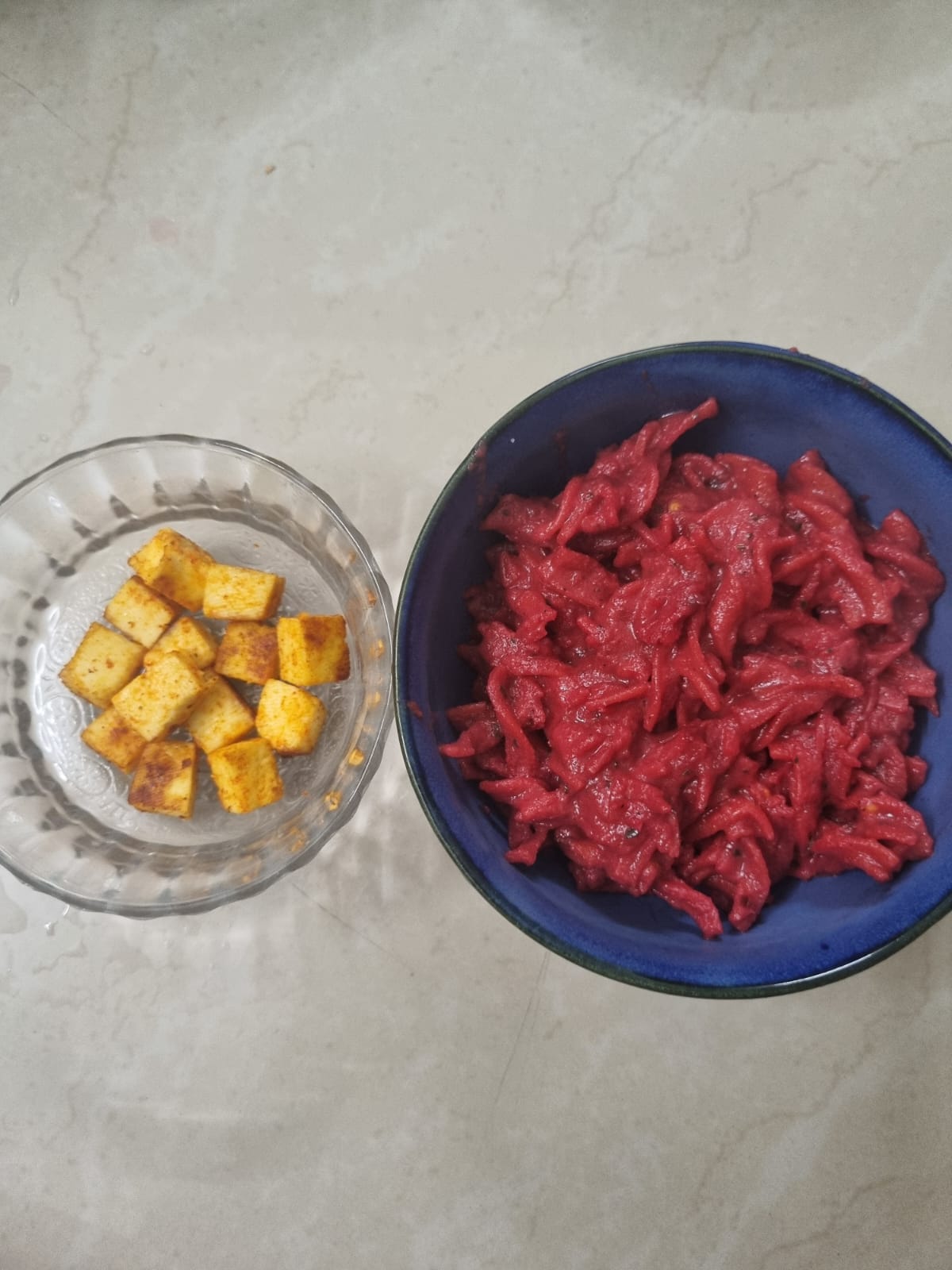
The idea was never restriction. It was to give her body the steady nourishment it needed to rebalance, and to make the healthy choice the easy one on busy days too.

If your cycles have gone irregular or stopped after a miscarriage, you do not have to wait it out alone. Dr. Suganya can help you understand what is happening and what to do next, over a video consultation from wherever you are in India. Talk to Dr. Suganya on WhatsApp →
Showing Up for Herself, Every Day
From the very beginning, Nithya followed every recommendation sincerely. She was regular with her meals, consistent with her movement, and she attended all of her review sessions. She never hesitated to ask a question when something was unclear. Slowly, she became someone who was genuinely taking care of herself again, and that shift matters as much as any single food or exercise.
Her movement stayed gentle and sustainable, the kind a body recovering from a loss can actually keep up with. She followed simple guided home workouts and kept up her daily walking.
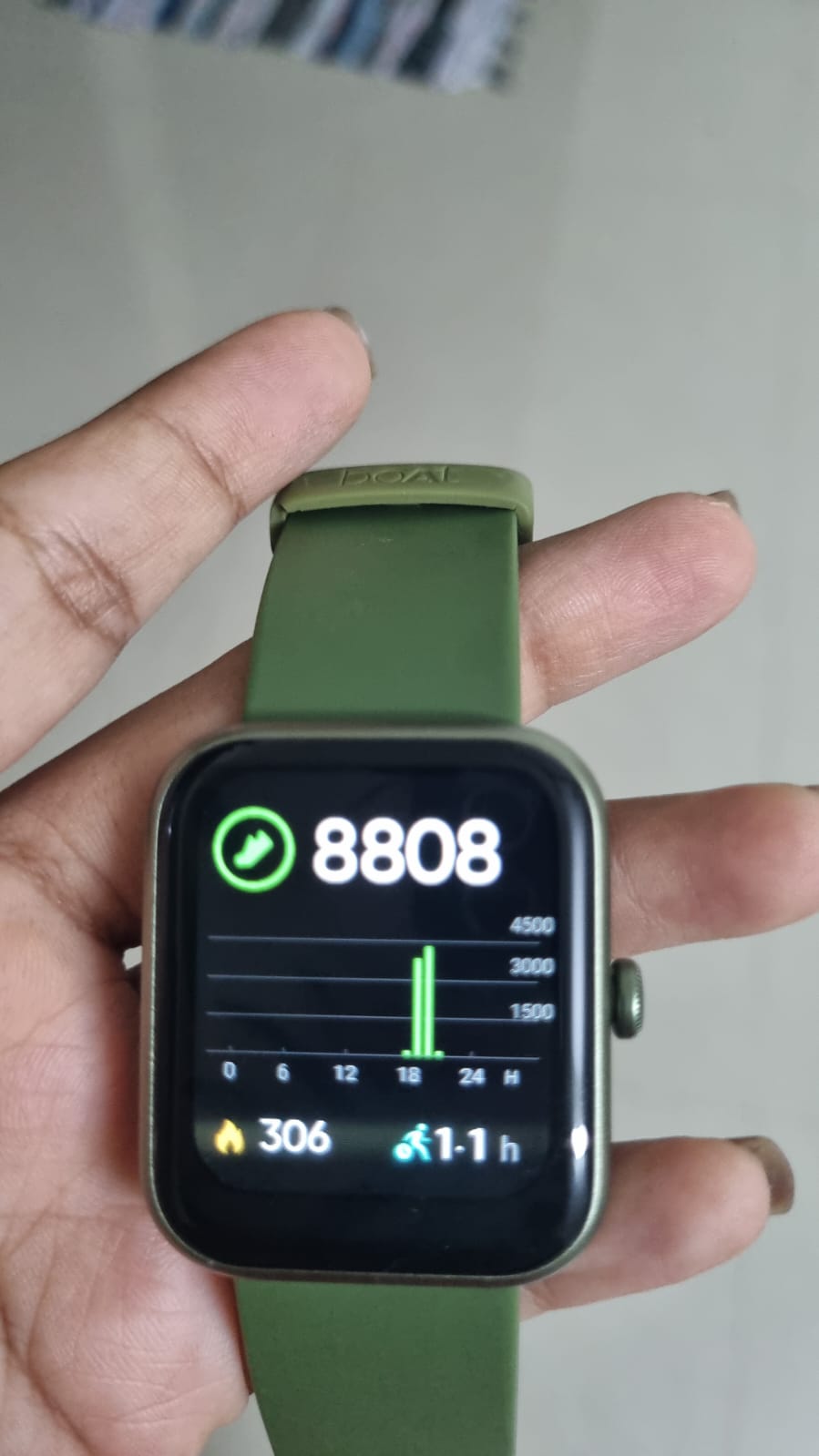

We also gave equal weight to her mind. After a miscarriage, the emotional recovery is not separate from the physical one, they move together. Nithya took to a daily morning and night affirmation practice, and it became an anchor for her.
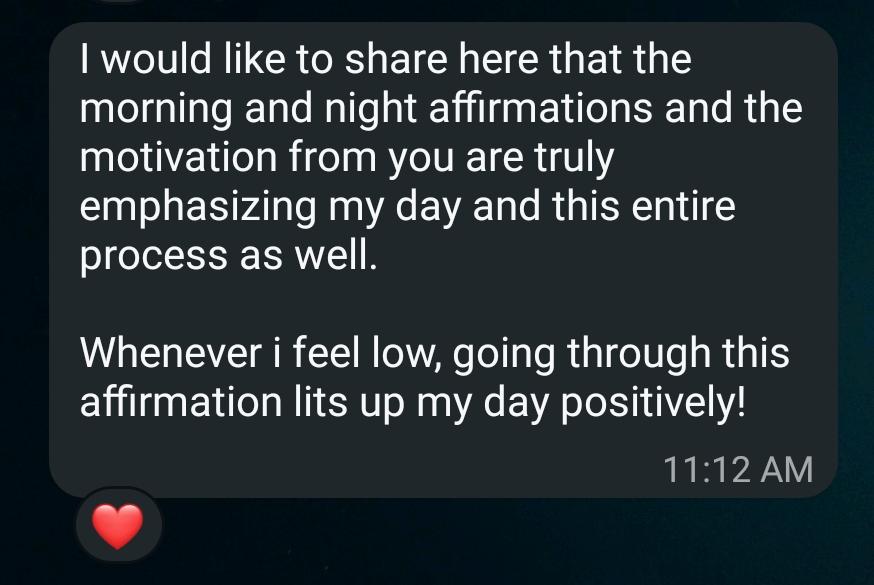
“Whenever I feel low, going through this affirmation lights up my day positively.”
The Body Responds
Slowly, and then unmistakably, her body began to answer.
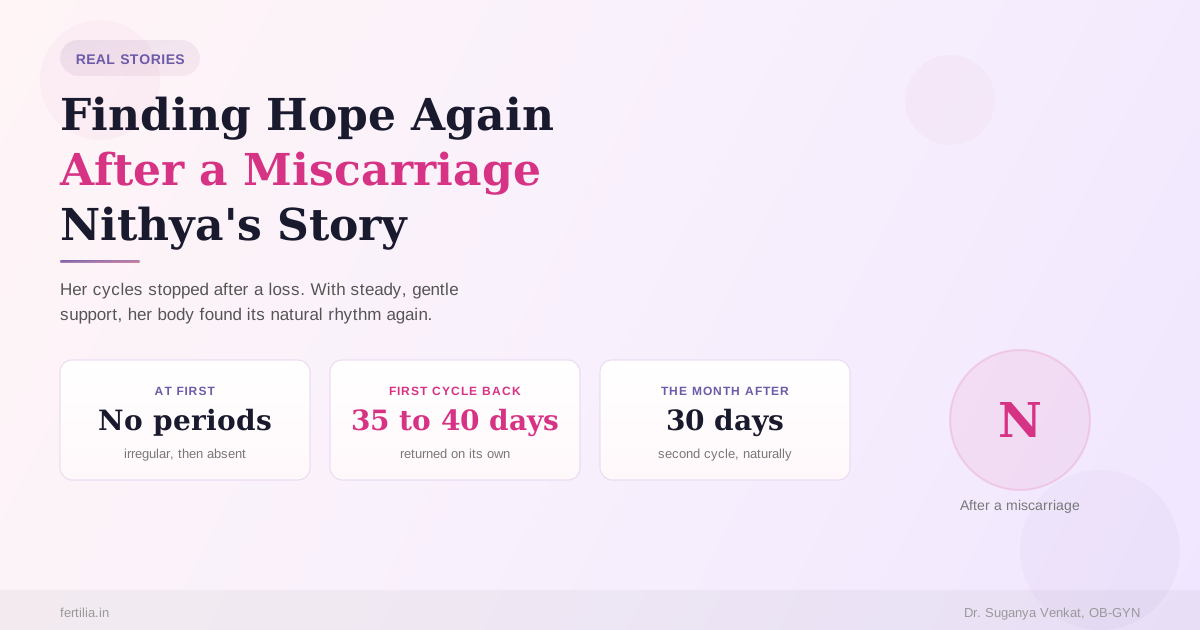
During the first cycle, she needed a tablet prescribed by her doctor to induce her period. That is a completely normal and appropriate step, and we worked alongside her doctor’s guidance, never around it. But then something quietly wonderful happened. After she continued the nutrition and lifestyle changes, her period returned on its own. Within about 35 to 40 days of joining the program, she got her cycle naturally.
For a woman who had been living with that frightening silence, this was an enormous emotional milestone.
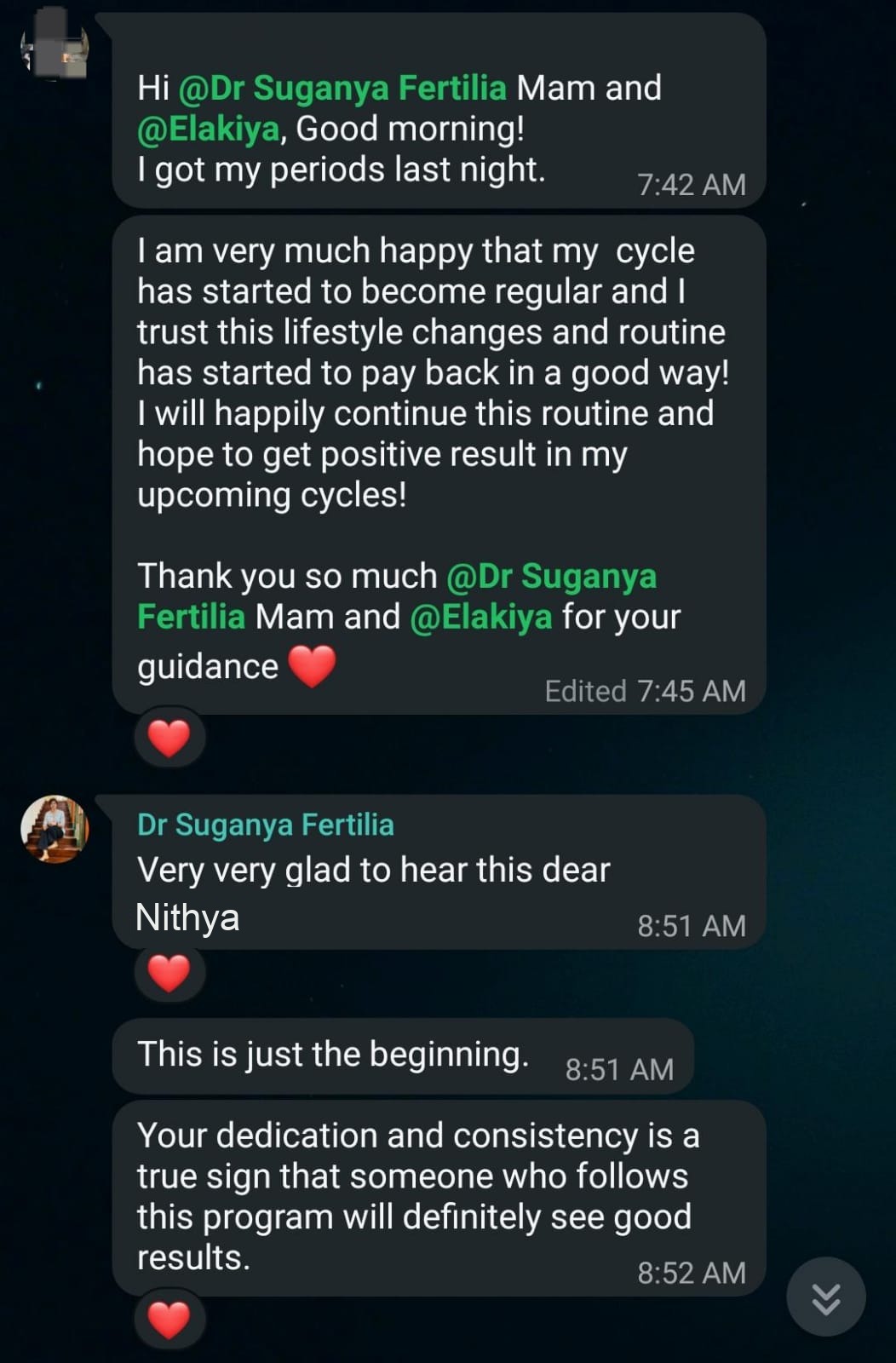
“I got my periods last night. I am very much happy that my cycle has started to become regular, and I trust these lifestyle changes and routine have started to pay back in a good way.”
The following month, her second cycle also arrived naturally, this time within 30 days. Two natural cycles in a row gave her something she had not felt in a long while: confidence that her body was finding a healthier rhythm on its own.
Alongside her returning cycles, she noticed other changes too. Her acne and pimples reduced noticeably, and her skin looked clearer and healthier, an outward sign of the hormonal balance settling on the inside.
Why the Small Wins Mattered
One of the things I will always remember about Nithya is her positivity. She celebrated every small improvement. She shared her updates with the team, and each milestone, however small, seemed to fuel the next. That is not a minor detail. After a loss, rebuilding trust in your own body is its own kind of healing, and Nithya did that one small, honest win at a time.
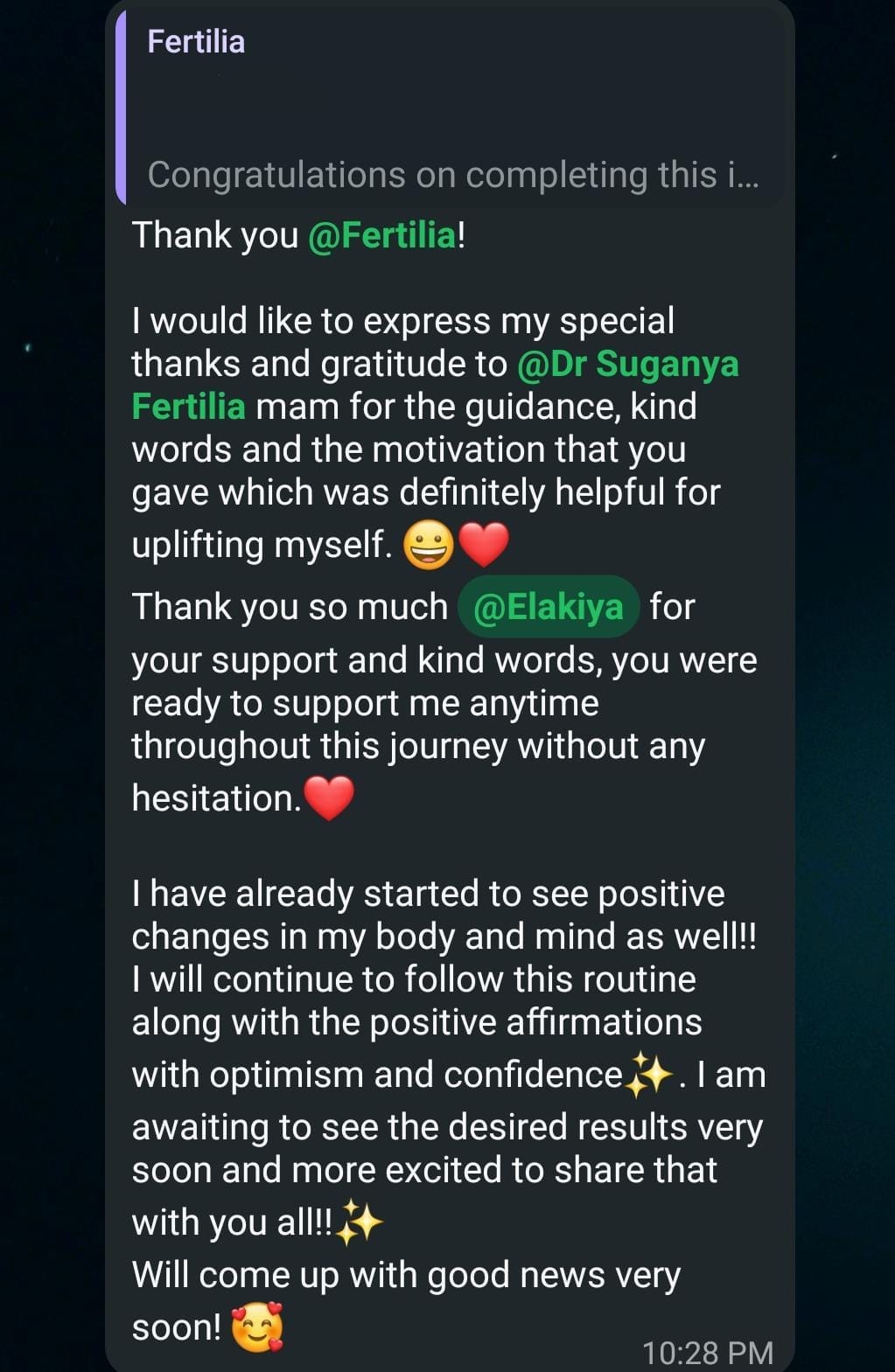
“I have already started to see positive changes in my body and mind as well. I will continue to follow this routine along with the positive affirmations, with optimism and confidence.”
Dr. Suganya’s Note
“Nithya came to me after a miscarriage, at a point where her body had gone quiet and she was understandably afraid. My priority was never to rush her. It was to help her body find its balance again, gently, and to walk with her through the emotional side too. She was consistent and committed from the very first week, and her cycles returned, first with a little medical help and then on their own. She is continuing her journey now with a steadier body and a much calmer mind, and that is exactly the foundation I want for her. I have no doubt about the happy message I expect from her one day.” (Nithya was supported through the program by our nutrition and wellness team.)
Healing After a Miscarriage Takes Time, and That Is Okay
Nithya’s story is a reminder that recovery after a miscarriage is not only about getting periods back. It is about rebuilding confidence, hope, and trust in your own body, and those take a little time. There is no failing in that, and there is no clock you are racing against.
If your cycles have become irregular or have gone missing after a loss, it is worth understanding why, and knowing that gentle, steady support can help your body come back to its rhythm. Our guide on irregular periods and what they mean is a good place to begin, and you can read more journeys like Nithya’s on our stories page, including another woman’s path through recurrent miscarriage and thyroid trouble.
Nithya continues her fertility journey today with a healthier body, balanced cycles, and renewed confidence. We are grateful to have walked a part of it with her, and we are looking forward to the day she shares her next piece of happy news.
Every woman deserves a plan built for her body and her life, not a generic diet chart. Dr. Suganya and the Fertilia team work with you one-on-one, fully online, wherever you are in India. Start a conversation with Dr. Suganya on WhatsApp →
Frequently Asked Questions
Is it normal for periods to become irregular or stop after a miscarriage?
Yes, this is common. After a miscarriage the body needs time to reset its hormones, and it is normal for the first few cycles to be irregular or delayed. Most women see their cycle return within one to three months. If your period has not come back within a couple of months, or the pattern feels very unsettled, it is worth having it looked at so the reason can be understood and supported. In Nithya’s case, gentle nutrition and lifestyle changes, alongside her doctor’s care, helped her cycles return.
How long did it take Nithya’s cycle to return?
Her first cycle needed a tablet prescribed by her doctor to induce it. After that, with continued nutrition and lifestyle changes, her period returned on its own within about 35 to 40 days of joining the program. Her second cycle then came naturally within 30 days.
Can lifestyle and nutrition changes help restore periods?
For many women, yes. Balanced nutrition, steady movement, better sleep and lower stress all support the hormonal balance that drives a regular cycle. This works alongside your doctor’s medical care, not instead of it. The aim is to give your body the steady conditions it needs to find its own rhythm again, which is exactly what happened for Nithya.
Should I be worried if I have not conceived again yet after a miscarriage?
Try not to let the worry run ahead of you. Restoring a regular cycle and rebuilding your health is a meaningful step forward in its own right, and it is the foundation a future pregnancy rests on. Everyone’s timeline is different. Focusing on a steady, well-nourished, rested body is one of the most useful things you can do while you wait, and it is never wasted effort.
Do you support the emotional side of recovery too?
Yes. The emotional recovery after a miscarriage is not separate from the physical one. Nithya found a daily affirmation practice genuinely helpful, and we build that kind of gentle emotional support into the program alongside the nutrition and movement. Feeling steadier in yourself is part of healing, not an extra.
How do consultations work, and where are you based?
All consultations happen online over a video call, so you can work with Dr. Suganya Venkat and the Fertilia team from anywhere in India or abroad. Dr. Suganya is an OB-GYN with over fifteen years of experience, and the program is built around your body, your food and your routine, one-on-one.
Every story we share is real, verified, and published with the patient’s consent. Names and identifying details are changed to protect privacy.