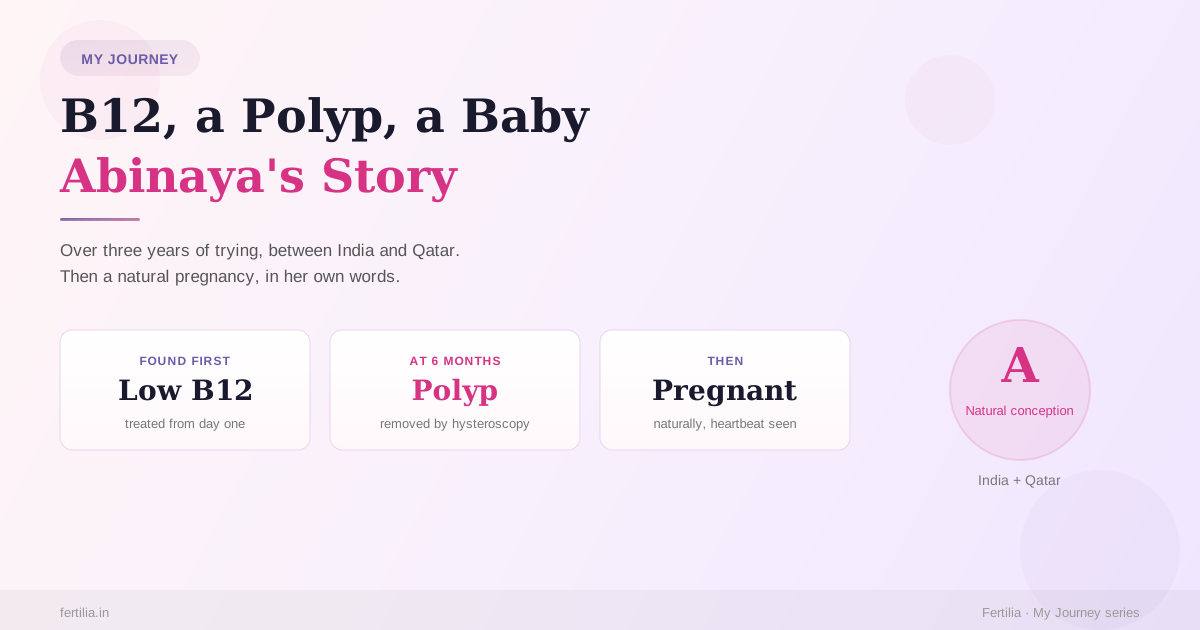
This story was written by Abinaya in her own words. She chose to share her real name. Published with her consent.
A note from Fertilia: Abinaya came to us after years of trying, with reports that kept saying everything looked fine. Over six months with Fertilia her B12 deficiency was treated and her health steadily improved. At her six-month follow-up a small uterine polyp was found and removed, and after recovering she conceived naturally. She and her husband tried for over three years in all. Her words are lightly edited for clarity, with headings and a few short notes from our team.
Trying, Month After Month
My name is Abinaya. All together, my husband and I tried to conceive for over three years. We had been married for nearly five years, and like many couples, we believed pregnancy would happen naturally. But as the months passed, every negative pregnancy test became more difficult to accept.
Our journey wasn’t straightforward. Soon after our marriage, both of us were affected by COVID-19, and because of my husband’s work, we spent long periods living in different countries. There were frequent travels between India and Qatar, changes in routine, and the emotional stress that naturally comes with trying to conceive month after month.
Over the next two years, we tried everything we were advised. We underwent routine fertility investigations, ovulation tracking using ovulation kits, multiple follicular scans, and an HSG, which confirmed that my fallopian tubes were open. Every report seemed reassuring, and no major abnormalities were identified. Yet, pregnancy still didn’t happen.
By the time I joined Fertilia, I wanted a more structured and holistic approach to my fertility journey.
My First Consultation
The first step was my consultation with Dr. Suganya. She carefully reviewed my complete medical history, previous reports, menstrual history and fertility journey. During the consultation, nutritional deficiencies, including vitamin B12 deficiency, were identified, and I was started on the appropriate supplementation.
Since my menstrual health also needed attention, we decided not to rush into another treatment cycle immediately. Instead, Dr. Suganya created a personalised 3-month action plan that focused on improving my overall health through nutrition, lifestyle changes, exercise, regular monitoring and timely medical follow-ups, to prepare my body for pregnancy.
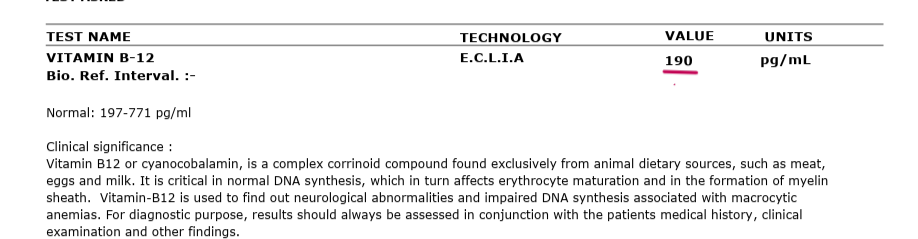
From our team: Abinaya’s B12 level was 190 pg/mL, just below her lab’s normal range. Low B12 is common in Indian women, especially with vegetarian diets or digestive issues, and it is simple to test for and treat. Our guide to vitamin B12 deficiency in women explains the signs and what to do.
A Plan That Fit My Body
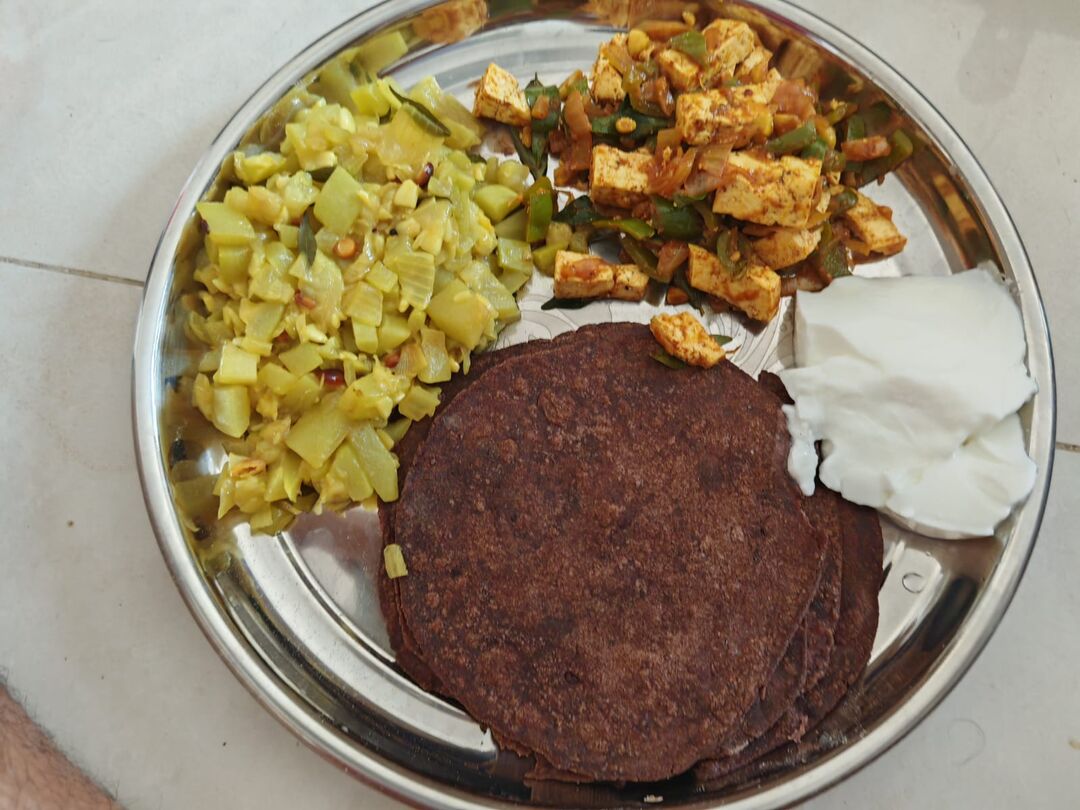
My next consultation was with the nutritionist. During the session, my food preferences, daily routine, work schedule, food availability, food allergies, digestive concerns and lifestyle were discussed in detail. Since I was on the lower side of my healthy weight and had multiple food allergies, my meal plan was personalised to help me gain healthy weight while meeting my nutritional requirements. The focus was on correcting nutritional deficiencies, improving digestion, and making the plan practical enough for me to follow consistently.
These are some of my plates:


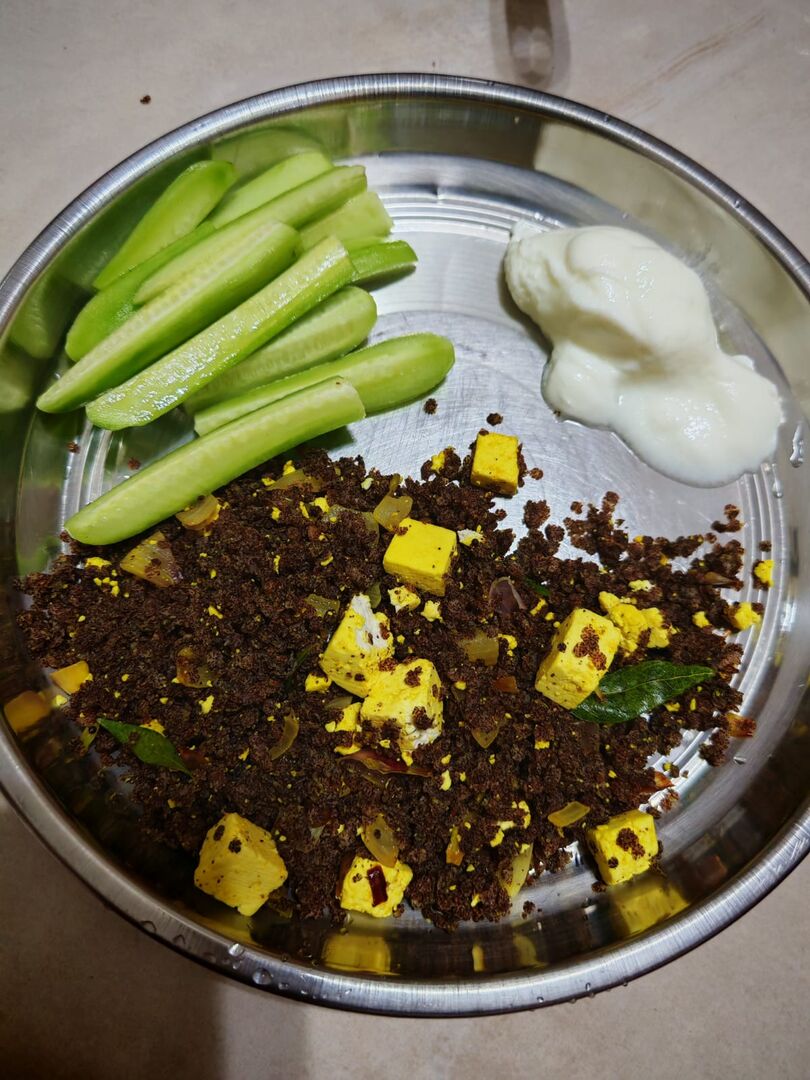
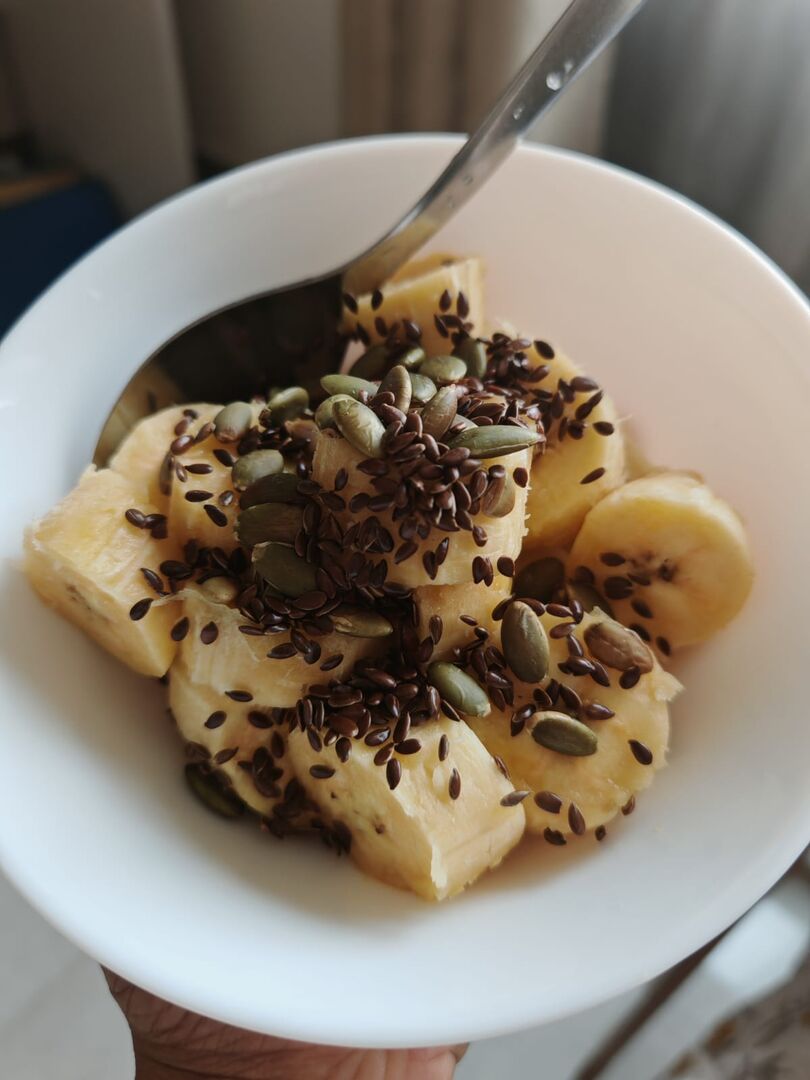
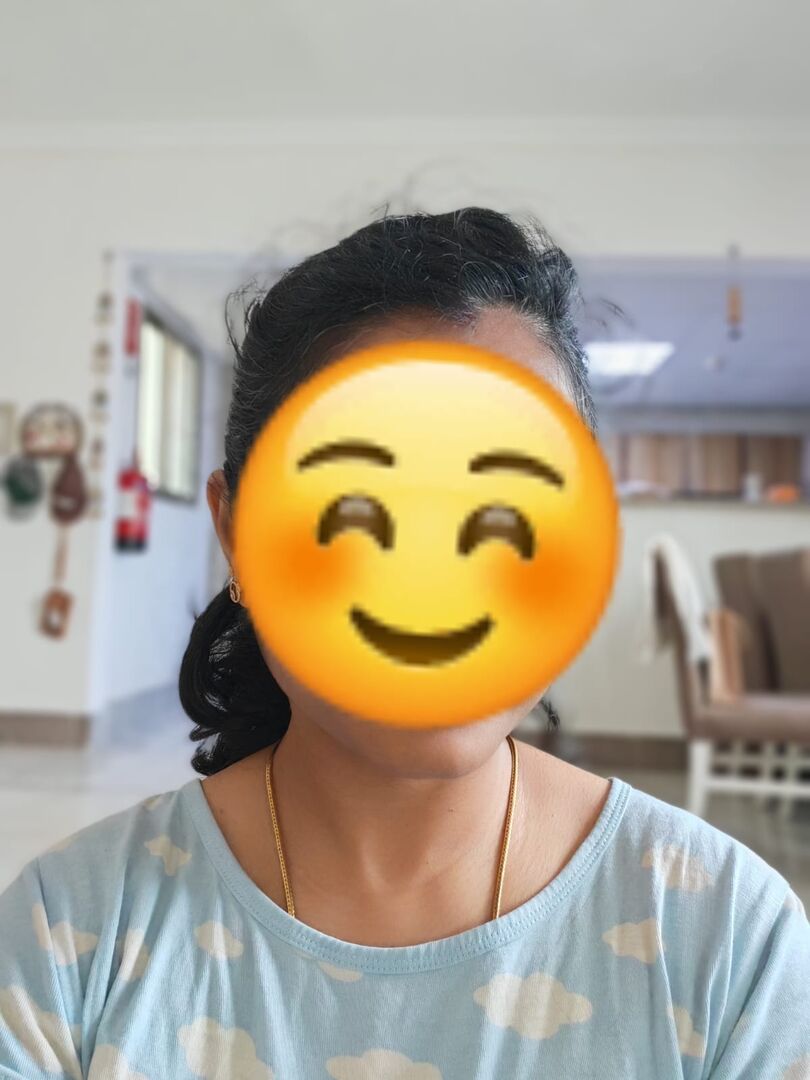
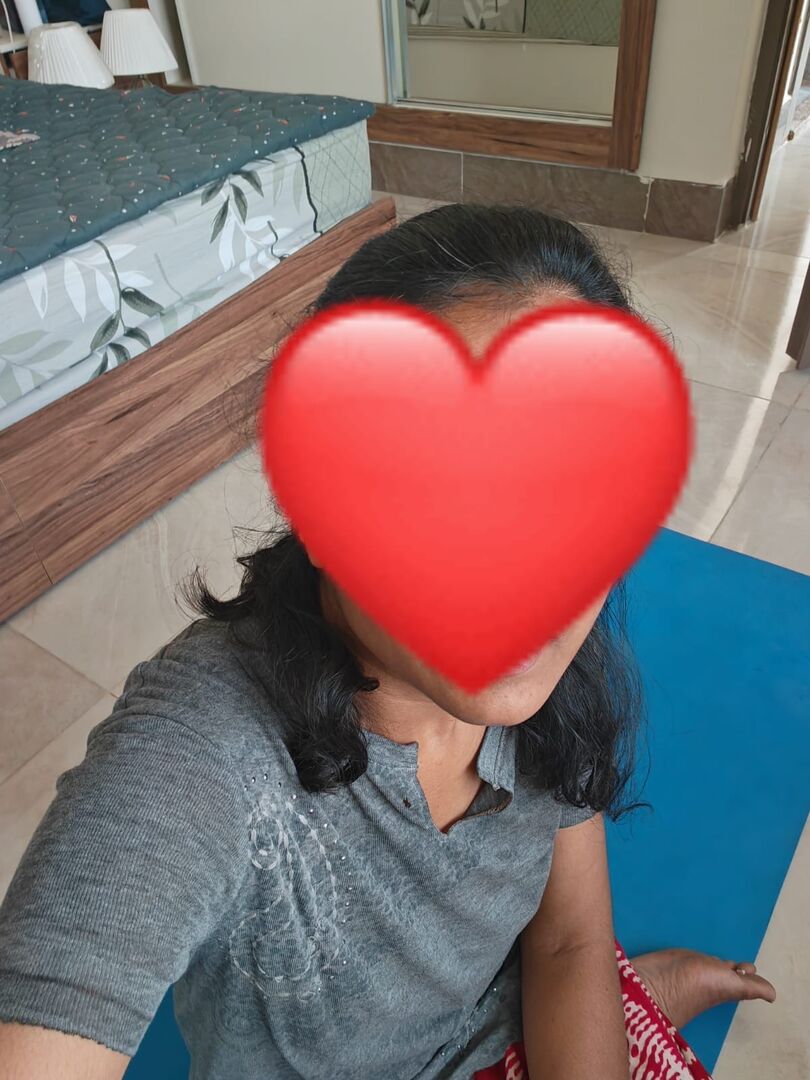
As part of the program, I also received a personalised workout plan along with yoga, designed for what my body needed at the time. These gradually became part of my daily routine and helped me stay active throughout the program.

Guidance Every Cycle
One part of Fertilia that made a significant difference was the continuous guidance I received throughout my menstrual cycle. Every month, my fertile window was calculated and shared with me, and I was guided on the right days to try for pregnancy. Instead of feeling anxious about timing, I had clear direction and support each cycle, which made the journey much less overwhelming.
From our team: The fertile window is the few days each cycle when intercourse is most likely to lead to pregnancy. Our guide to the fertile window explains how it is worked out and how to use it without making every month feel like a test.
I made a conscious effort to stay consistent with the plan. Week after week, I followed my meal plan, completed my workouts, attended my review consultations, took my supplements regularly, and stayed connected with the Fertilia team.
Feeling the Change
Gradually, I noticed positive changes. My energy levels improved, my digestion became better, my bloating reduced, and I felt healthier overall.
I had also been dealing with giddiness and pain in my groin and right hip. This is what I wrote to the team:
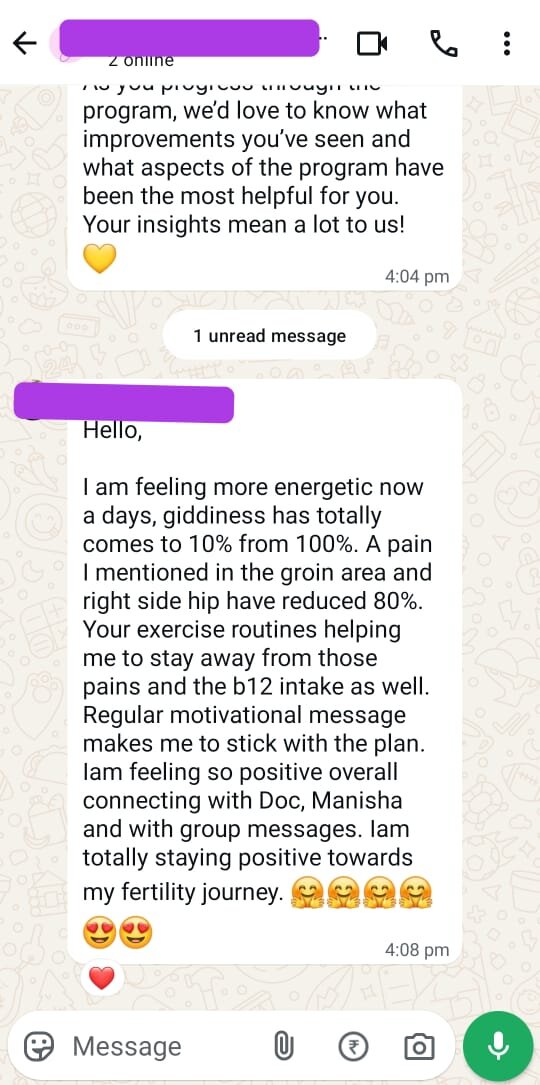
“I am feeling more energetic now a days, giddiness has totally comes to 10% from 100%. A pain I mentioned in the groin area and right side hip have reduced 80%. Your exercise routines helping me to stay away from those pains and the b12 intake as well. Regular motivational message makes me to stick with the plan.”
Later, I wrote to the team:
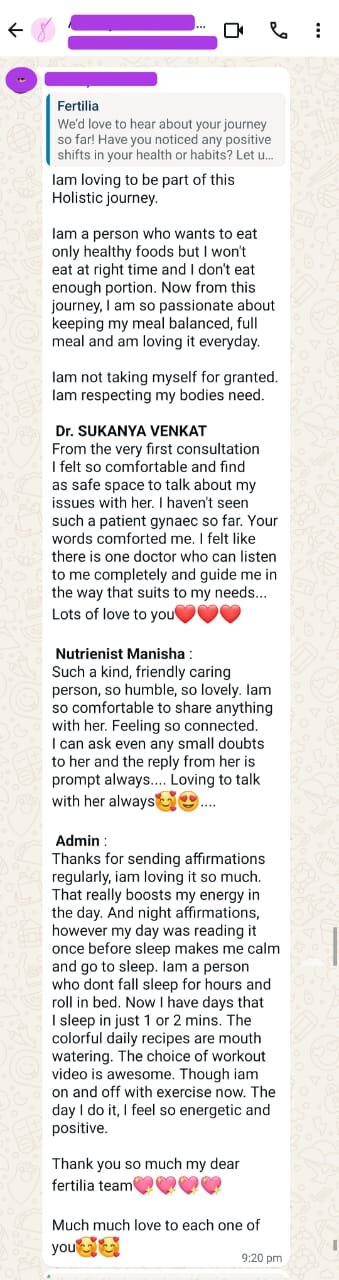
“Iam a person who wants to eat only healthy foods but I won’t eat at right time and I don’t eat enough portion. Now from this journey, I am so passionate about keeping my meal balanced, full meal and am loving it everyday.”
After completing the first three months, I felt much better physically, but we decided to continue with Fertilia for another three months so I could stay consistent with the lifestyle changes and keep receiving guidance. Those months helped me stay accountable and gave me regular support with my nutrition, workouts, cycle tracking and fertile window planning.
If your reports keep saying everything is normal and you are still waiting, you do not have to work it out alone. Dr. Suganya can review your history with you over a video consultation, from India or abroad. Talk to Dr. Suganya on WhatsApp
The Polyp
At the end of six months, during my follow-up medical evaluation, a uterine polyp was identified.
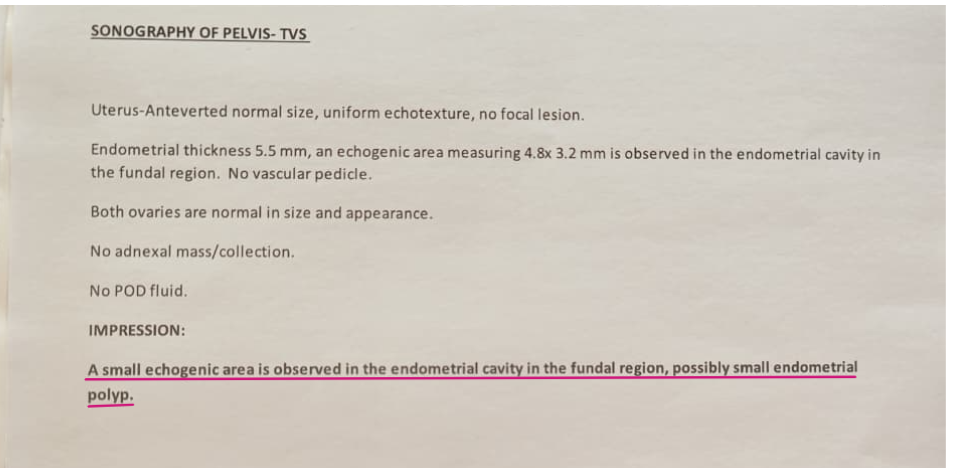
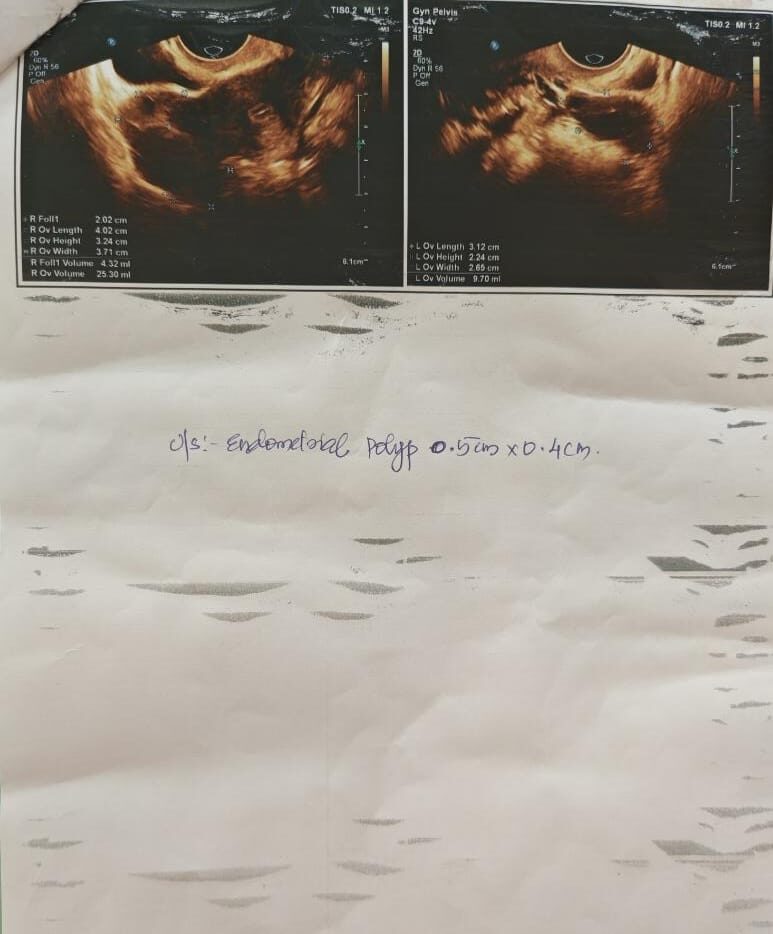
Based on Dr. Suganya’s recommendation, I underwent polyp removal.
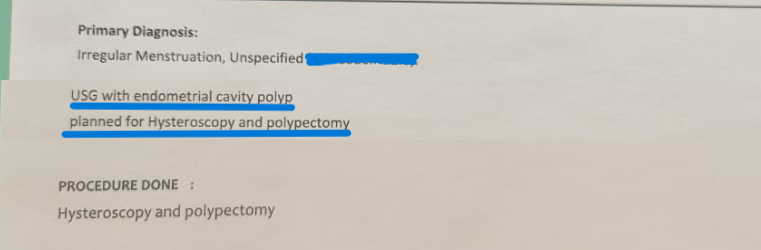
Once I had recovered from the procedure and received clearance to start trying again, we continued trying naturally during my fertile window.
From our team: An endometrial polyp is a small growth in the lining of the womb. Not every polyp needs treatment, and whether to remove one is an individual decision your gynaecologist makes with you; when it is removed, this is usually done by hysteroscopy. It is a short procedure done through the cervix, with no cuts on the tummy. Our guide on trying to conceive after a hysteroscopy explains what recovery and timing usually look like.
Two Lines
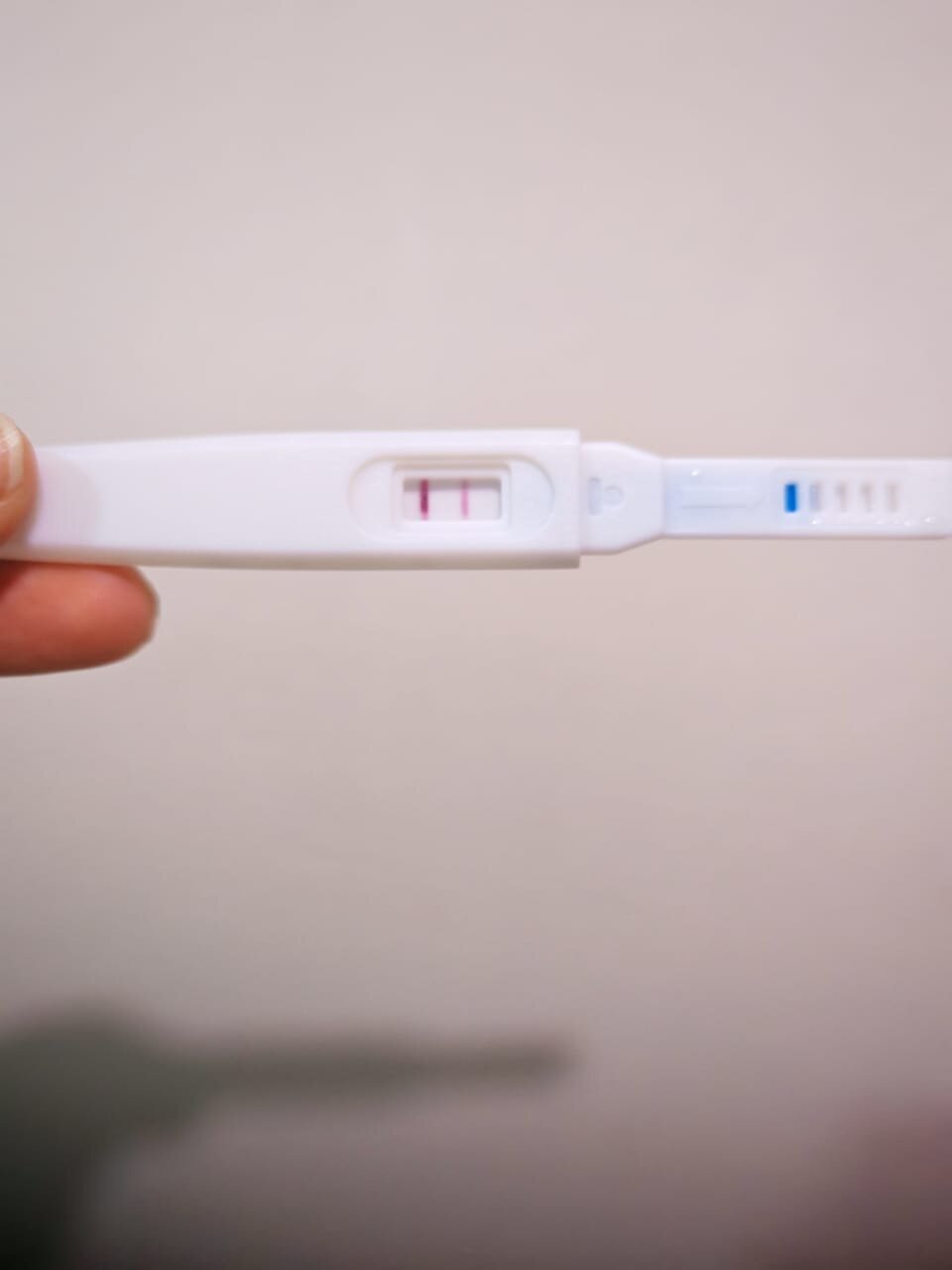
Then came the moment I had been waiting for. I conceived naturally.
My pregnancy was confirmed with a positive beta hCG.

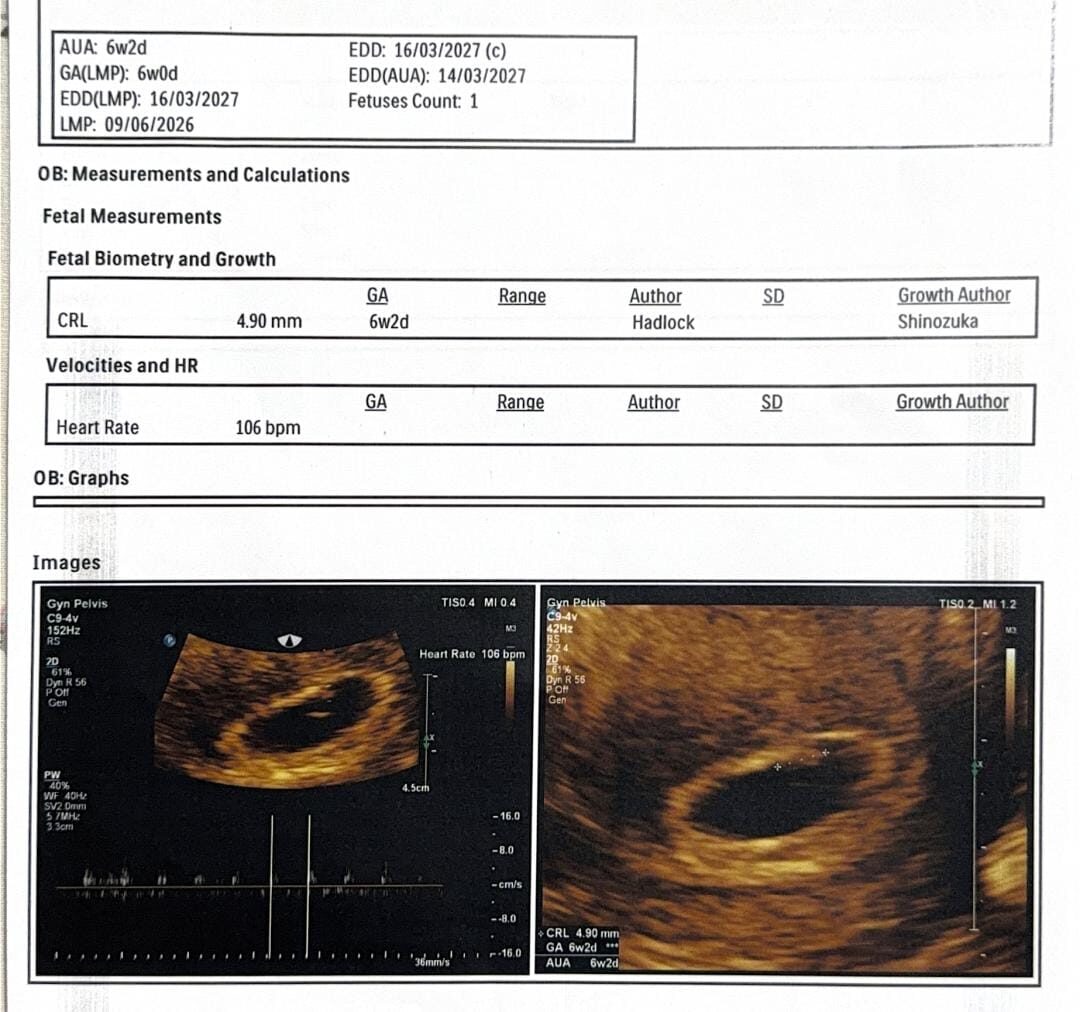
My first pregnancy scan showed a pregnancy inside the uterus with a fetal heartbeat.
Looking Back
Looking back, I don’t think there was one single factor that made the difference. It was the combination of the right medical guidance, personalised nutrition, correcting nutritional deficiencies, staying physically active, consistently following my plan, monitoring my fertile window every month, and addressing the uterine polyp at the right time.
If there’s one thing my journey has taught me, it’s that fertility needs patience, consistency and the right support. To anyone who is still waiting for their positive pregnancy test, don’t lose hope. Focus on building a healthy foundation, trust the process, and take one step at a time. Sometimes, the smallest consistent efforts can lead to life’s biggest blessings.
You can read more journeys like Abinaya’s on our stories page, or see what our Fertility program involves.
Whether you are in India or living abroad, Dr. Suganya and the Fertilia team work with you one-on-one, fully online by video call, alongside your own doctors. Start a conversation with Dr. Suganya on WhatsApp
Frequently Asked Questions
Answered by the Fertilia team.
Can a vitamin B12 deficiency affect fertility?
Low B12 is linked with tiredness and poor energy, and correcting it matters for your general health and for any future pregnancy. Its direct effect on the chance of conceiving is less clear. It is simple to check with a blood test and to correct with supplements or injections as your doctor advises. In Abinaya’s case it was found at her first consultation and treated from the start of her program.
Can an endometrial polyp stop you from getting pregnant?
Polyps may sometimes make it harder for a pregnancy to start, though the evidence is limited. Removal is more often considered when a polyp sits inside the cavity of the womb in a woman trying to conceive, or causes bleeding. Many polyps are small and cause no symptoms, so they are found on a scan, as Abinaya’s was. The decision to remove one is made with your gynaecologist.
How soon can you try to conceive after a hysteroscopic polyp removal?
Usually fairly soon, once you have recovered and your doctor has given you the go-ahead. Abinaya started trying again after she had recovered and received clearance. Your own doctor will advise on timing for your situation.
My fertility reports are all normal. What else can I do?
Normal reports are reassuring, but they do not always show everything, and “normal” should include your husband’s semen analysis too. A careful review of your full history, attention to nutrition and deficiencies, regular movement, and well-timed intercourse are all worth working on, and repeat scans can pick up things like polyps that develop over time. After a long time trying, IUI or IVF with a fertility specialist may be the right next step, and Fertilia works alongside that care, not instead of it.
Do you support couples living outside India?
Yes. Abinaya and her husband moved between India and Qatar. All consultations happen online by video call, with day-to-day support on WhatsApp, wherever you live. The first consultation is ₹399 in India and US $20 from outside India.
What does fertile window guidance involve?
Each cycle, the team works out your likely fertile days from your cycle history and shares them with you, so you know which days to try. It takes the guesswork and some of the monthly pressure out of timing.
Every story we share is real, verified, and published with the patient’s consent. Abinaya chose to share her real name and photos.