Some foods feel like they arrive with the baby, almost as if the recipe passes itself down without being written. In North Indian households, it is often methi ke laddoo. In Tamil homes, vendhaya laddu. In Marathi kitchens, methi che lade. Within the first day or two of delivery, a batch appears, dark gold in colour, dense and warm, smelling of roasted fenugreek and cardamom.
The tradition has held across generations because these laddoos are genuinely nourishing. They are made from whole wheat, ghee, dry fruits, jaggery, and fenugreek seeds, all of which bring real nutritional value to a mother in recovery.
This guide covers what goes into a traditional methi laddoo, what each ingredient contributes nutritionally, how to manage the natural bitterness of methi seeds, the full recipe, a week-by-week portion guide, and how to buy and store the ingredients.
What Is Methi? Regional Names Across India
Methi refers to fenugreek (Trigonella foenum-graecum). In postpartum laddoo recipes, it is the seeds that are used, not the leaves. The seeds are small, angular, and yellow-brown. They have a strong, slightly bitter flavour when raw. Once slow-roasted, the bitterness softens into something more toasty and complex.
| Language | Name for Fenugreek Seeds | Notes |
|---|---|---|
| Hindi | Methi dana (मेथी दाना) | “Methi ke laddoo” across North India |
| Tamil | Vendhayam (வேந்தயம்) | Laddoos called vendhaya laddu |
| Telugu | Menthulu | Laddoos called menthula laddu |
| Kannada | Menthe | Laddoos called menthe laddu |
| Malayalam | Uluva | Less common as a laddoo; seeds used in kanji and curries |
| Bengali | Methi (মেথি) | |
| Marathi | Methi | Laddoos called methi che lade (मेथीचे लाडू) |
| Gujarati | Methi | Occasionally added to sukhdi-style sweet preparations |
What Each Ingredient Contributes: Verified Nutritional Data
A classic methi laddoo uses five to seven ingredients. Here is what each one brings.
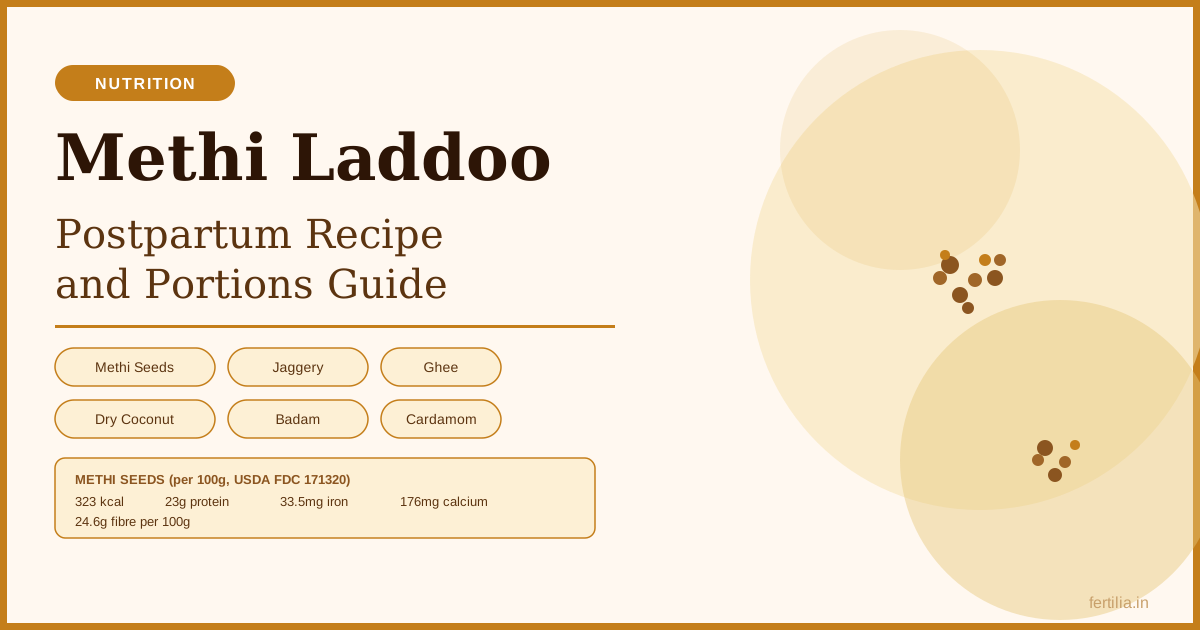
Methi Seeds (Fenugreek Seeds)
Source: USDA FDC ID 171320 (Spices, fenugreek seed), per 100g.
| Nutrient | Per 100g |
|---|---|
| Calories | 323 kcal |
| Protein | 23.0g |
| Total fat | 6.4g |
| Dietary fibre | 24.6g |
| Iron | 33.5mg |
| Calcium | 176mg |
| Magnesium | 191mg |
Methi seeds are concentrated, which is why 100g of seeds is enough for an entire batch of 15 laddoos. Each laddoo contains roughly 6 to 7g of methi seeds, a small but consistent serving with every piece. Fenugreek has one of the higher iron values among commonly used Indian spices.
Whole Wheat Atta
Source: ICMR-NIN 2017, whole wheat flour, per 100g.
| Nutrient | Per 100g |
|---|---|
| Calories | 341 kcal |
| Protein | 12.1g |
| Iron | 1.5mg |
| Calcium | 41mg |
| Dietary fibre | 12.5g |
Atta forms the base of the laddoo. It is slow-roasted in ghee until golden and fragrant, which deepens the flavour considerably. This roasting step also removes any raw taste that is otherwise prominent in uncooked flour.
Ghee
Source: USDA FDC ID 171394, per 100g: 876 kcal, 99.5g fat. Per teaspoon (5g): 44 kcal, 5g fat.
Ghee serves two roles in this recipe: it is the fat used to roast the atta and optional gond, and it acts as the binder that holds the mixture together when pressed into laddoos. For the full nutritional profile of ghee, see our ghee in pregnancy guide.
Jaggery (Gur)
Source: ICMR-NIN 2017, per 100g: approximately 383 kcal, 0.4g protein, 80mg calcium, and 2.6mg iron (iron content varies across batches and production methods).
In this recipe, jaggery does two things: it balances the bitterness of the roasted methi, and it is the setting agent that holds each laddoo together when shaped while warm. Jaggery is not a low-sugar ingredient. The total sweetness of the laddoo depends on how much is added.
Dry Coconut (Kopra or Desiccated Coconut)
Source: USDA FDC 170172, per 100g: approximately 660 kcal, 6.9g protein, and 3.3mg iron.
Dry coconut adds flavour and texture. It also helps soften the aftertaste of the methi seeds. Fresh grated coconut can be used as a substitute but shortens the shelf life of the laddoos significantly (fresh coconut batch: keep refrigerated and consume within a week).
Almonds (Badam)
Source: USDA FDC ID 170567, raw almonds, per 100g: 579 kcal, 21.2g protein, 3.7mg iron, 264mg calcium, 25.6mg vitamin E.
In the laddoo, almonds are used chopped and lightly roasted, adding texture, protein, and fat-soluble vitamin E. Our almonds during pregnancy guide covers almond nutrition in detail.
Optional: Edible Gum (Gond)
Edible gum crystals (gond or gondh) are used in many North Indian and Maharashtrian versions of methi laddoos. When puffed in hot ghee, gond expands four to five times its original size, giving the laddoos a lighter, more airy texture. It is the same ingredient used in gond ke laddoo, the sister postpartum laddoo common in Punjabi and Gujarati households. Gond is primarily a carbohydrate source. It has a neutral taste and is valued mostly for its texture contribution.
Approximate Nutrition Per Laddoo
Based on the batch recipe below (15 laddoos from 700g total ingredients, assuming approximately 40g per cooked laddoo):
| Nutrient | Per Laddoo (approx.) |
|---|---|
| Calories | 240 to 260 kcal |
| Protein | 3 to 4g |
| Iron | 2.5 to 3mg |
| Fat | 10 to 12g |
These are estimates. Exact values depend on ingredient quality, the size of each laddoo shaped, and how much ghee remains in the kadai after roasting.
How to Manage Methi’s Bitterness
The most common complaint about methi laddoos is that they taste too bitter. This almost always comes from one of three things: not roasting long enough, using too many seeds relative to the balancing ingredients, or not mixing in enough jaggery.
Roast on the lowest flame. Place the methi seeds in a dry, heavy-bottomed kadai on the lowest heat setting. Stir regularly for 10 to 12 minutes until they deepen from yellow-gold to a deeper, more reddish-brown. You will notice the sharp raw smell mellowing into something toasty. Do not try to speed this up on medium or high heat. High heat burns the outside while the inside stays raw, which keeps the bitterness locked in.
Use the recipe proportions correctly. The recipe below uses 100g of methi seeds against 200g atta, 150g ghee, 200g jaggery, and 50g coconut. This ratio keeps the fenugreek flavour present but not overpowering. Increasing the seeds beyond this proportion without adjusting the jaggery will produce a noticeably more bitter laddoo.
Let the mixture rest after mixing. After pouring the melted jaggery syrup over the methi-atta mixture, let it sit for two to three minutes before shaping. The sugars absorb some of the bitter compounds, and the flavour rounds out as the mixture rests.
Traditional Methi Laddoo Recipe (Makes About 15 Laddoos)
Ingredients:
- Methi seeds (fenugreek seeds): 100g (about 6 tablespoons)
- Whole wheat atta: 200g (about 1.5 cups)
- Ghee: 150g (about 10 tablespoons)
- Jaggery: 200g, grated or finely broken
- Dry coconut (kopra): 50g, finely grated or desiccated
- Almonds: 50g, roughly chopped
- Cardamom powder: 1 teaspoon
Optional additions: 30g edible gum (gond, for a lighter texture), 1 tablespoon poppy seeds (khus khus), half a teaspoon of dry ginger powder (saunth).
Method:
Step 1: Dry-roast the methi seeds. Place them in a heavy-bottomed kadai on the lowest flame. Stir continuously for 10 to 12 minutes until they deepen in colour and smell toasty, not raw. Remove and set aside to cool completely.
Step 2: Grind the cooled methi seeds to a fine powder in a mixer or stone grinder. Set aside.
Step 3 (if using gond): Heat one tablespoon of ghee in the kadai on medium heat. Drop the gond crystals into the hot ghee a few at a time. They will puff up within seconds. Remove with a slotted spoon, drain on a plate, and crush into smaller pieces once cool.
Step 4: In the same kadai, add the remaining ghee on low heat. Add the chopped almonds. Roast for about 2 minutes until light golden. Remove with a slotted spoon.
Step 5: In the ghee remaining in the kadai, add the whole wheat atta. Roast on low heat, stirring continuously, for 8 to 10 minutes until fragrant and light golden.
Step 6: Add the grated coconut to the kadai. Stir and roast for 2 more minutes.
Step 7: Remove the kadai from heat. Add the methi powder, roasted almonds, crushed gond (if using), and cardamom to the atta mixture. Stir to combine well.
Step 8: In a separate small pan, melt the jaggery with 2 tablespoons of water on low heat until it becomes a thick syrup. Test by dropping a small amount into a bowl of cold water: it should form a soft ball, not a hard one. Pour this syrup over the atta-methi mixture and mix quickly.
Step 9: When the mixture is just cool enough to handle but still warm, press firmly into small, round laddoos. Each should be about 35 to 40g. Work quickly as the mixture sets faster once it cools.
Allow to cool completely before transferring to storage.
Postpartum Portion Guide: Week by Week
Methi laddoos are calorie-dense and fat-rich, which suits the postpartum recovery period when energy requirements are higher. Here is how much to eat at each stage:
| Recovery Stage | Suggested Daily Portion | Notes |
|---|---|---|
| Week 1 to 2 | 1 laddoo per day | Start gently; appetite is often low in the first days |
| Week 3 to 4 | 1 to 2 laddoos per day | Increase gradually as appetite returns |
| Week 5 to 6 | 1 to 2 laddoos per day | Standard portion through the traditional 40-day period |
| After 6 weeks | 1 laddoo occasionally | No longer needed as a daily recovery food; enjoy as a snack |
| Prefer a less sweet version | Reduce jaggery from 200g to 150g in the recipe | Adjust to taste |
Methi is one of the traditional postpartum foods woven into Indian diets across generations. For the full food-based guidance on what to eat while breastfeeding, see our breastfeeding diet guide for Indian mothers.
The Broader Postpartum Food Picture
Methi laddoos work best alongside other traditional postpartum foods, not as a standalone fix. A varied postpartum diet covers more ground nutritionally. Some useful companions:
Gond ke laddoo: The sister postpartum laddoo, made from edible gum, whole wheat, ghee, and dry fruits. Lighter and airier in texture than methi ke laddoo. Particularly popular in North Indian, Gujarati, and Maharashtrian homes.
Ragi kanji: A warm, easily digestible porridge made from finger millet. High in calcium, well-suited to the early weeks when solid food can feel heavy.
After delivery food guide: A seven-day plan covering what to eat week by week through the first six weeks of postpartum recovery, including both traditional and modern Indian foods.
Urad dal: Used widely in South Indian postpartum cooking, the base for idli, dosa, and soft dal preparations during recovery. High in protein and calcium.
Buying Guide: Methi Seeds, Jaggery, and Dry Coconut
Choosing methi seeds: Whole methi seeds are available at any provisions store, kirana shop, or spice merchant. Buy clean, uniform seeds with no clumps, debris, or discolouration. Avoid pre-ground methi powder for this recipe: freshly roasted and ground seeds have a much better flavour than powder that was ground weeks ago and may taste musty.
Choosing jaggery: Use block jaggery (gur) rather than liquid or powdered forms. Block jaggery gives better control over the syrup consistency. Check that the block is dry, not sticky or sour-smelling. Sticky jaggery has too much moisture and will make the laddoos soft and difficult to shape. Both cane jaggery and palm jaggery work; cane jaggery gives a deeper colour to the laddoo.
Choosing dry coconut (kopra): Look for firm, white to cream-coloured kopra. If using desiccated coconut from a packet, choose unsweetened and unflavoured. Sweetened or toasted varieties alter the taste of the laddoo.
Storing the laddoos: Let the laddoos cool completely before packing. Store in an airtight steel or glass dabba. At room temperature, they last up to 30 days. In the refrigerator, up to 60 days. The ghee in the recipe acts as a natural preservative when the laddoos are stored in a clean, dry container. Avoid plastic containers if possible, as the ghee can pick up plastic odours over time.
Frequently Asked Questions
When can I start eating methi laddoos after delivery? Most families introduce methi ke laddoo in the first two to three days after delivery, once the mother is comfortable with solid food. In the first week, one laddoo per day is a reasonable starting portion. If appetite is low in the first couple of days, starting from day three or four is perfectly fine.
How many methi laddoos can I eat per day? One to two laddoos per day through the first six weeks is the standard postpartum portion. They are calorie-dense foods: two laddoos contribute roughly 500 kcal. After six weeks, they work well as an occasional nutritious snack rather than a daily routine.
Why are my methi laddoos too bitter? Three things cause excess bitterness: not roasting the seeds long enough, using more seeds than the recipe calls for, or not balancing with enough jaggery and coconut. Roast on the lowest flame for a full 10 to 12 minutes. Use the ingredient ratios in the recipe above. Allow the mixture to rest for two to three minutes after mixing in the jaggery syrup before shaping.
Can I make methi laddoos without ghee? Ghee is the traditional binding fat and contributes to both the texture and the shelf life. Replacing ghee with refined oil changes the consistency significantly. If you need a ghee substitute, cold-pressed coconut oil is the closest option, though the laddoos will be slightly softer at room temperature.
Do I need to add edible gum (gond) to methi laddoos? No. Gond is optional. It adds a lighter, airy texture to the laddoo, which some people prefer. Methi ke laddoo made without gond will be denser. Both versions are traditional. South Indian versions typically omit gond entirely, while Punjabi and Rajasthani versions often include it.
How long do homemade methi laddoos last? In an airtight steel or glass container at room temperature: up to 30 days. In the refrigerator: up to 60 days. The shelf life depends on the freshness of the ghee used and whether the laddoos were made in a clean, dry environment. If the ghee was fresh and the kitchen dry, the laddoos will keep well without refrigeration for a full month.
Methi ke laddoo kab se khane chahiye delivery ke baad? (When should I start eating methi laddoos after delivery?) Delivery ke 2 se 3 din baad, jab aahar lena comfortable ho, shuru kar sakte hain. Pehle hafte ek laddoo roz kaafi hai. Week 3 se 4 mein 1 se 2 laddoo rozana tak badhaya ja sakta hai. (Start 2 to 3 days after delivery, once solid food feels comfortable. One laddoo a day is enough in the first week. You can increase to 1 to 2 per day from weeks 3 to 4.)
If you have recently had a baby and want to plan your recovery food well, Dr. Suganya Venkat offers personalised postpartum nutrition guidance through a video consultation available pan-India. Book a ₹399 online consultation to get guidance specific to your recovery stage and health history.
WhatsApp Dr. Suganya to book a consultation →
You can also browse all our postpartum recovery guides in one place.