Name has been changed to protect patient privacy. Clinical details and images are shared with the patient’s consent.
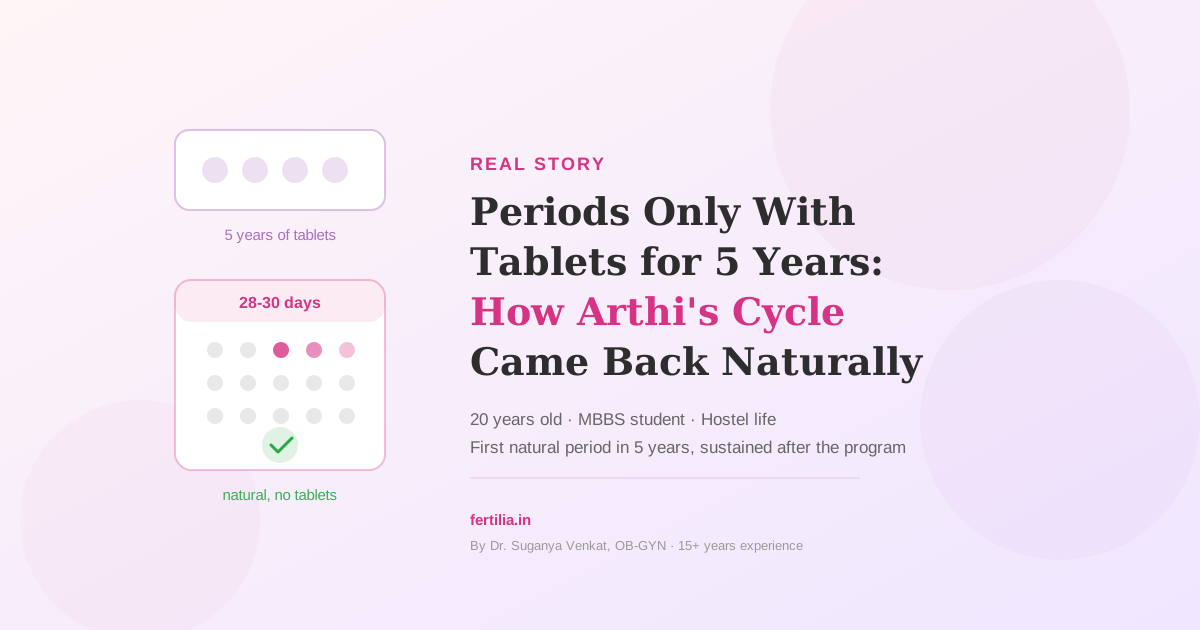
Arthi is 20, a second-year MBBS student. By day she studies the menstrual cycle in physiology textbooks. For five years, her own cycle would not arrive without a tablet.
Her periods had been irregular since menarche. The first six months were normal. After that, menstruation came only with medication, month after month, year after year. Her parents took her to doctor after doctor. Each plan induced bleeding while she was on the tablets, and the bleeding stopped when the tablets stopped. Eventually the family paused further treatment and focused on her studies, first her board exams, then her medical entrance, then college itself.
By the time she reached Fertilia, she had gone more than seven months without a period.
Five Years of Periods on Prescription
The missing cycles were the most measurable problem, but they were not the only one. Arthi was also dealing with:
- Excess hair growth on her face and hands
- Puffiness and visible signs of inflammation
- A quiet emotional withdrawal, sadness she did not talk about much
- Low confidence about her appearance
She was living in a medical college hostel: mess food on a fixed menu, frequent junk food and outside orders, long study hours, and exam stress that never fully switched off. Her parents had been through years of consultations and were emotionally drained. When the seven-month gap crossed into the eighth month, their concern resurfaced strongly, and they reached out to us with hope, and with some hesitation after so many past disappointments.
If parts of this sound familiar, our guide to irregular periods and their causes explains why cycles go missing in the first place. Arthi’s pattern, irregular cycles plus androgen signs like facial hair, pointed towards PCOS, a condition we have covered in depth in our PCOS symptoms and root causes guide. (PCOS has recently been renamed PMOS; the diagnosis and treatment are unchanged. Here is what changed and why.)
What Her Reports Showed
When we ran her panel, the results filled in the picture her symptoms had been hinting at.
Elevated hs-CRP: Chronic Inflammation
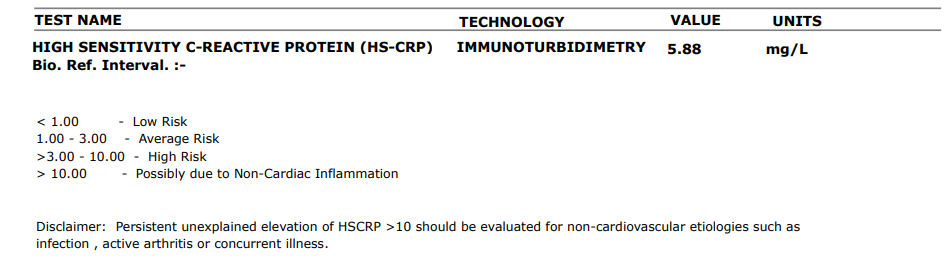
Her hs-CRP was 5.88 mg/L. On her report’s classification, below 1 is low risk, 1 to 3 is average, and above 3 is high. Chronic low-grade inflammation is one of the recognised PCOS drivers: inflammatory markers are consistently elevated in PCOS and are linked to disturbed ovarian function (González, 2012).
Raised LDL Cholesterol
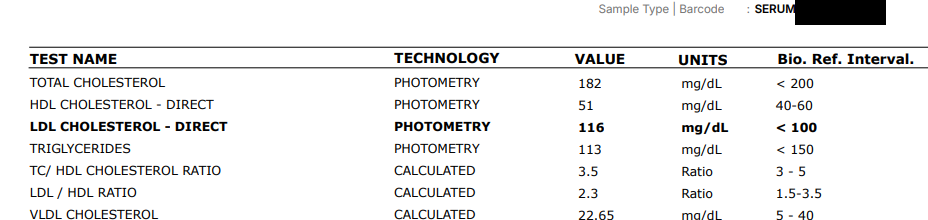
Her LDL was 116 mg/dL against a reference of below 100. At 20, this was an early metabolic signal worth correcting through food, not a number to panic about.
Low Vitamin B12

Her B12 was 111 pg/mL, well below the reference range of 197 to 771. For a student running on long study hours, this deficiency alone was silently draining her energy.
Low Vitamin D
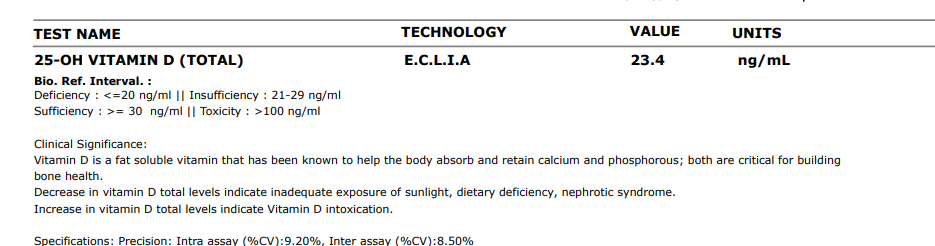
Her 25-OH vitamin D was 23.4 ng/mL, in the insufficiency range. Vitamin D insufficiency is extremely common in Indian women and worsens hormonal and metabolic function in PCOS.
Taken together: this was a hormonal imbalance running alongside inflammation and nutritional deficiencies, and it had been progressing quietly for years.
Where the Tablets Fit In
One thing we want to say clearly, because Arthi’s family had started to wonder whether all those years of tablets were a mistake: they were not.
Hormonal tablets do an important job. When a woman goes months without a period, an induced bleed protects the uterine lining, and that matters. Every doctor who prescribed them was responding sensibly to the problem in front of them. What tablets are not designed to do is correct the inflammation, the deficiencies, and the lifestyle load that stop the body from ovulating on its own. A tablet-induced withdrawal bleed and a natural ovulatory cycle are different events, and Arthi’s goal was the second one.
Our work, then, was to correct the internal environment so her body could produce a period by itself. We have written more about what hormonal pills do and do not address in our guide to the pill, from an OB-GYN’s desk.
If your periods arrive only with tablets and you want to understand what is driving that, Dr. Suganya can help you look deeper. Talk to Dr. Suganya on WhatsApp →
A Plan Built Around a Medical College Hostel
International PCOS guidelines place lifestyle management at the centre of treatment (Teede et al., 2023). The hard part is never the principle. It is making it survivable for a 20-year-old in a hostel with no kitchen, a packed timetable, and a mess menu she does not control.
Correct the Deficiencies First
Before changing a single meal, we addressed the foundations with targeted supplementation for her vitamin D and B12 deficiencies. This step prepares the body to respond to everything that follows.
Two Food Routines: Hostel and Home
Instead of one ideal diet plan, Manisha, our nutritionist, built two.
The hostel routine worked with what the mess actually served. Simple improvements within the available food, sensible swaps and additions, and no extreme restrictions that would collapse during exam week.
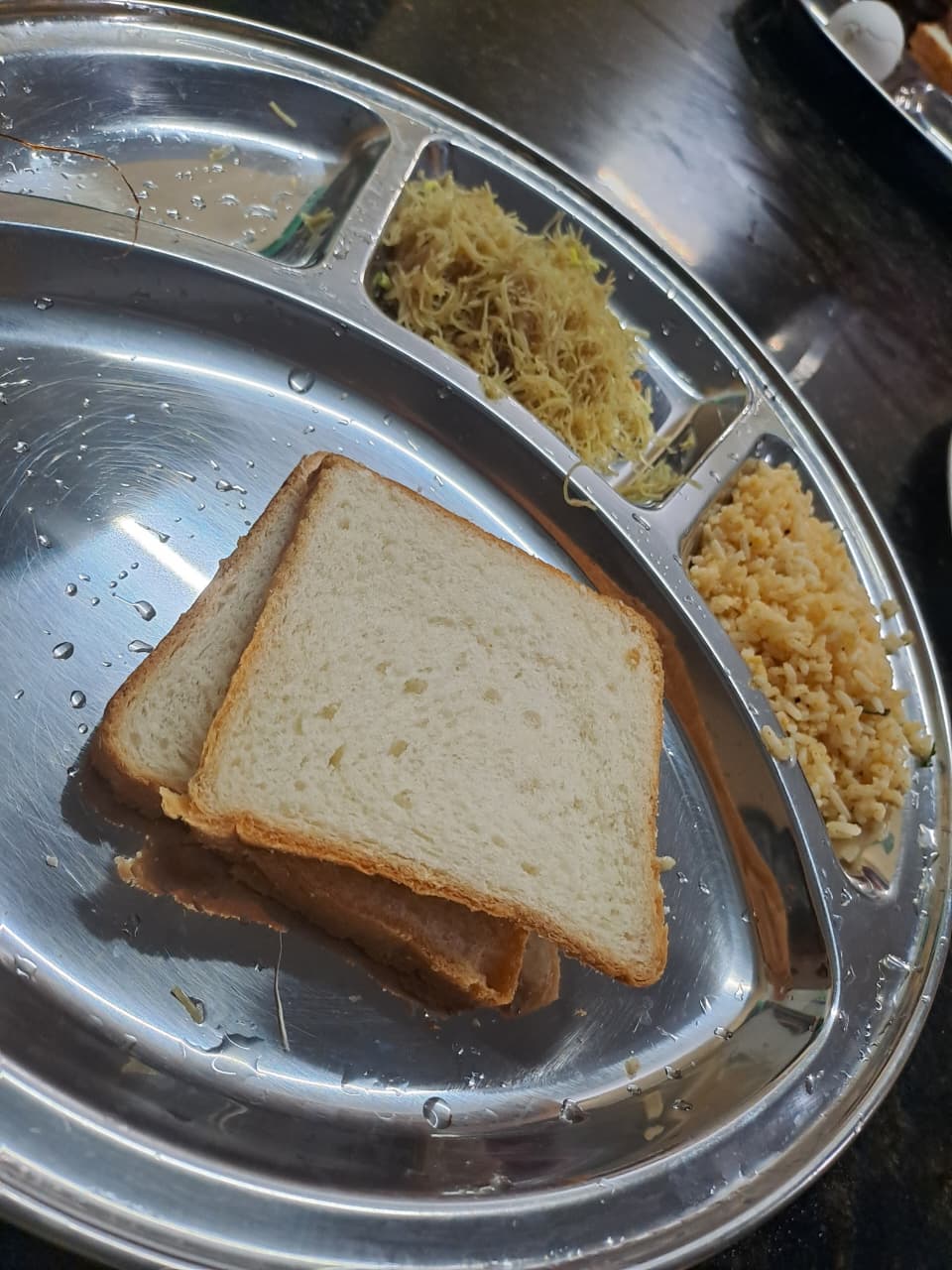
The home routine came into play during visits: more structured plates with better control over ingredients and portions, built from everyday Tamil home food.
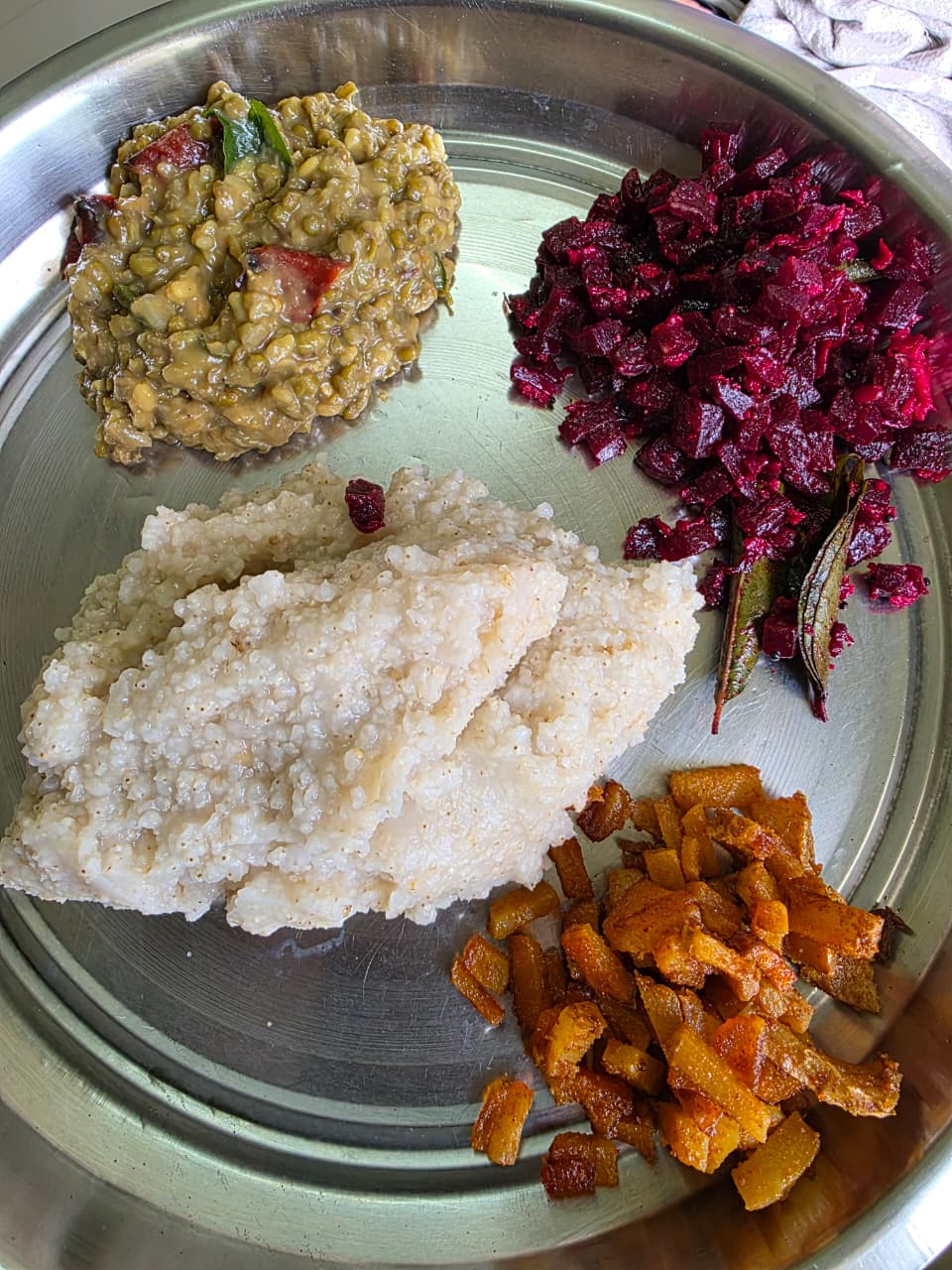
The Health Mix Her Mother Learned to Make
Manisha involved the family directly. She taught Arthi’s mother a Fertilia health-mix recipe that Arthi could store in her hostel room and use as a meal replacement on busy days, instead of reaching for the canteen or an online order. Simplified grocery lists for hostel storage followed. Small, repeatable changes were always prioritised over perfection.
Movement Within Four Hostel Walls
Intense workouts were unrealistic in a shared hostel room, so we did not prescribe them. Her movement plan used simple strengthening exercises, hormone-supportive yoga routines, and movements adaptable to limited space, matched to her body and her tolerance. Our guide on exercise that helps PCOS covers why consistency beats intensity here.
The Hard Middle
Stories like this are often told as a straight line. Arthi’s was not.
Midway through the program, she hit a phase of irritation and emotional resistance. Updates slowed down. Consistency dropped. This is common in young women carrying years of frustration about their bodies, and it deserves patience rather than pressure.
At this stage we worked with her parents directly: we explained the hormonal correction timeline, showed them where consistency was slipping, and guided them to support her without policing her. Gradually she resumed sharing her meal updates, the rapport strengthened, and the plan got simpler wherever it had been heavy.
The First Natural Period in Five Years
After more than seven months without a cycle, a message arrived.
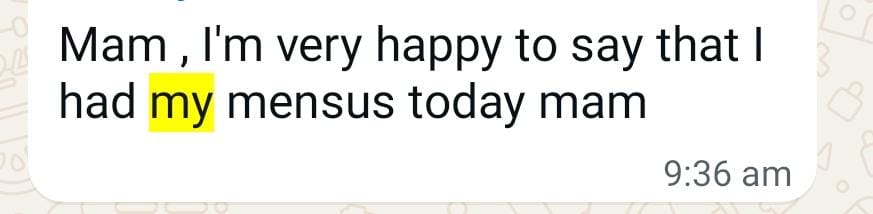
And then she put it in context herself:
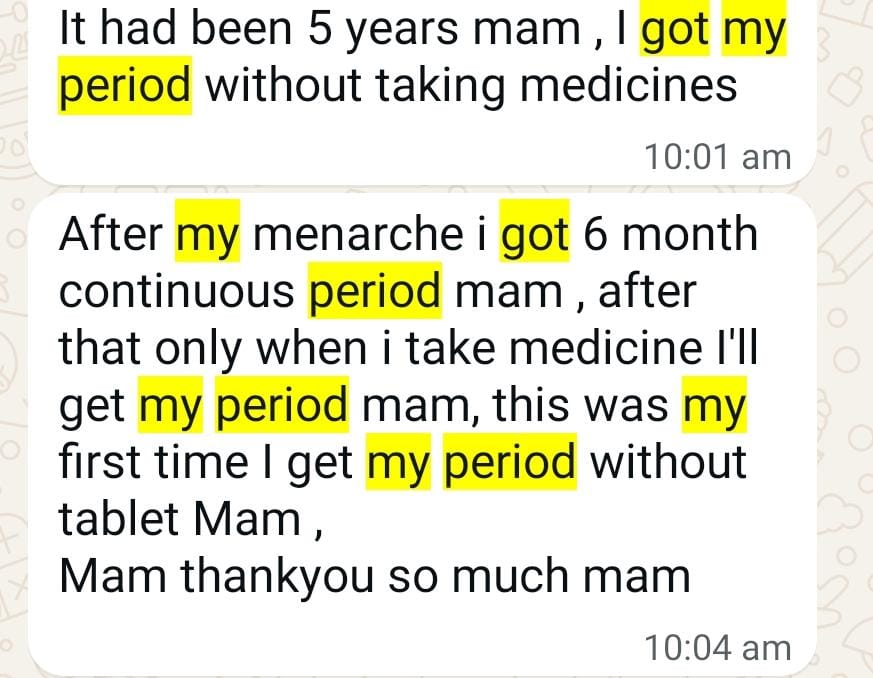
“This was my first time I get my period without tablet.” Five years, and the first cycle her body produced on its own.
Her mother wrote to us the same morning, in Tamil. Translated: “Madam, this is a very happy moment. We never expected this. My daughter has got her period naturally, without taking any medicines or tablets, after many years. My heartfelt thanks to you and your team.”
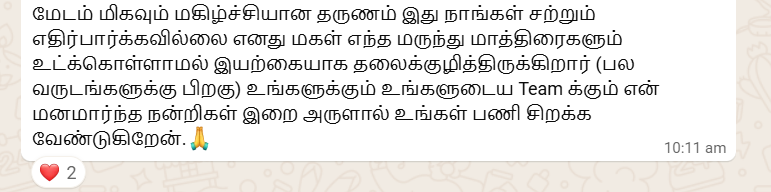
We celebrated quietly, and then we waited. After a gap that long, one period is a signal, and the question that matters is whether the rhythm holds the following month.
The Months That Followed
The next month, her period came again. Naturally, without tablets, without prompting. Her mother’s message, translated: “Madam, another happy moment. She has got her period naturally again. Heartfelt thanks from our family to you and your team.”
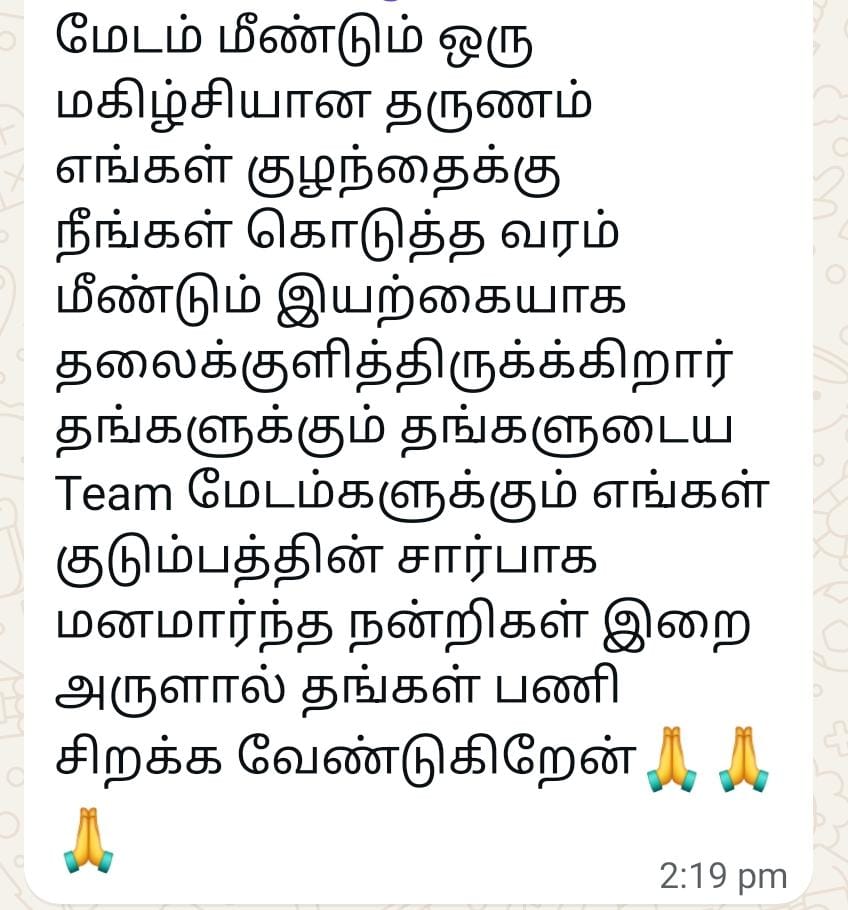
The month after that, it repeated. Her cycles began settling into a 28 to 30 day pattern.
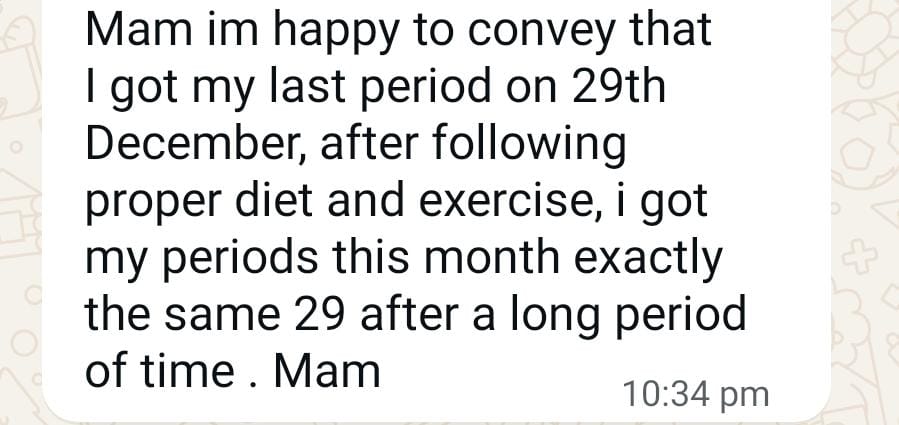
This held through exams, inter-state seminars and travel. She stayed mindful and implemented the plan as realistically as each week allowed. And after her structured program ended, her natural cycle continued the following month, on its own.
Beyond the Cycle
Over the same months:
- Facial hair growth began reducing gradually (we explain this slow timeline in our PCOS facial hair guide)
- Puffiness and inflammation visibly decreased
- Her emotional stability and confidence improved
- Tablet dependency reduced and then was no longer needed for her cycles
For a young woman who had spent five years feeling that her body would not cooperate without medication, the deepest change was trust in her own body.
In Their Words
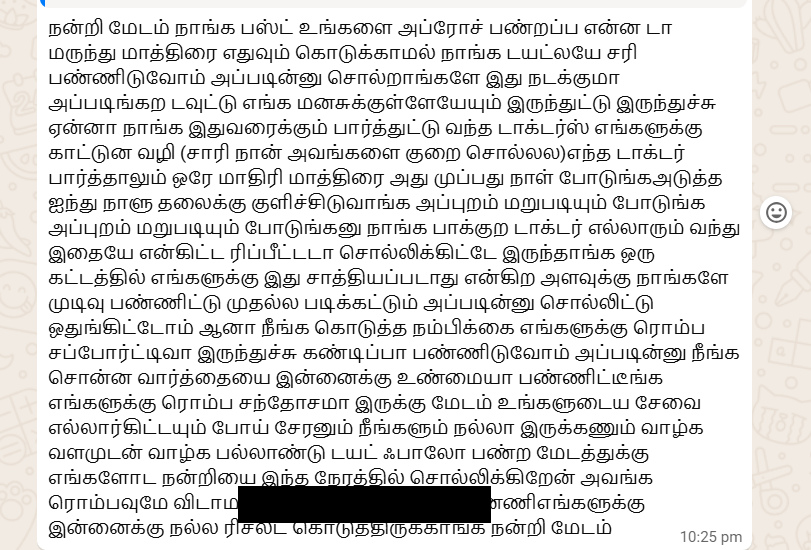
At the end of the program, her family sent us a long message in Tamil. A portion of it, translated: “When we first came, we doubted whether diet alone could set this right, because every doctor until now had given tablets, the period would come for that month, and then it would stop again. At one point we had given up and decided to just let her finish her studies. But the confidence you gave us carried us through. What you said has come true today. Your team followed up with her without ever giving up, and we got a good result.”
Arthi also shared her experience in a Google review:

Dr. Suganya’s Note
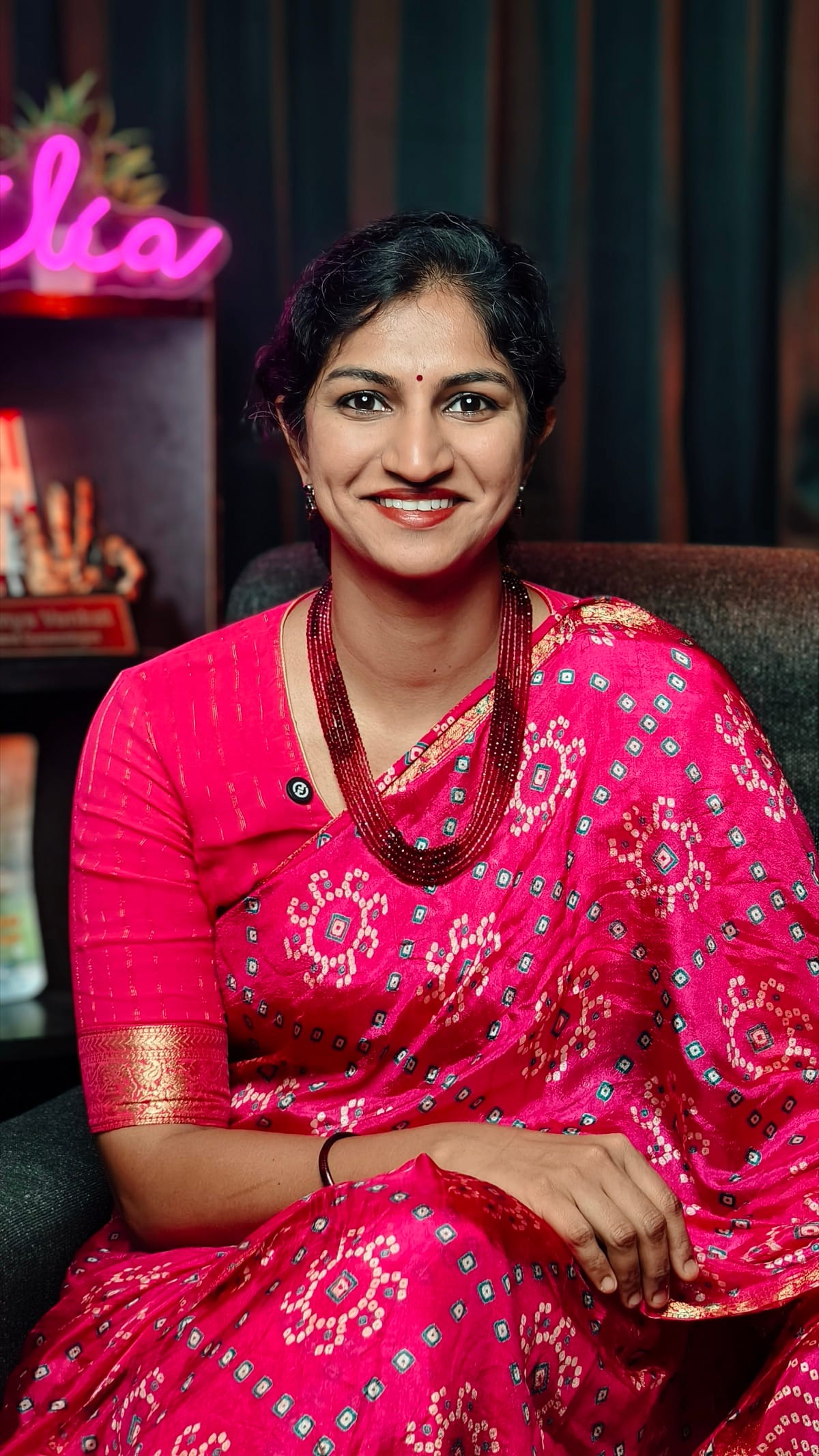
“Arthi, pursuing her medical education, was a typical high-achieving girl in India. The pressure of tenth and twelfth board exams and entrance exams can take a real toll on mental and physical health, and on hormones. Her father was deeply worried about what she was going through. Before coming to Fertilia she had taken hormonal tablets on and off for her periods for five years. It was a big relief to watch that change: she resumed natural cycles without any medication and sustained them even after she finished the program. We are happy to have supported her, and we hope many young girls whose hormones get disrupted in their early years find a good path. We wish Arthi continues this and inspires many more young women to follow a healthy lifestyle.” (Arthi was supported through the program by our nutritionist Manisha, who kept the diet sustainable for a hostel student and involved her parents at every step.)
If This Sounds Like Your Story
Arthi is far from alone. We have walked this same road with Sujatha, an engineering student with lean PCOS who had never had a natural period, and with Harini, whose PCOS showed up at 15. Different ages, different hostels, the same principle: find the drivers, correct them, and build the plan around the life the woman is living.
You can read more journeys on our stories page, and our PCOS Symptom Reversal Program page explains how the 90-day structure works.
If you have been dependent on tablets for your periods, whether for one year or five, a structured look at your drivers is the place to start. Start a conversation with Dr. Suganya on WhatsApp →
Frequently Asked Questions
Why do my periods come only when I take tablets?
Tablets prescribed for absent periods usually contain hormones that build and then release the uterine lining, producing a withdrawal bleed. The bleed confirms your uterus responds to hormones, which is useful information. It does not mean your ovaries have started ovulating on their own. When the underlying drivers (commonly PCOS-related hormonal imbalance, inflammation, nutritional deficiencies or significant stress) remain uncorrected, the natural cycle stays absent and the tablet dependence continues.
Is it harmful to take tablets to get periods?
No, and this matters: induced bleeds protect the uterine lining when periods are absent for months, which is why doctors prescribe them. They are a valid medical tool doing a specific job. What they cannot do is correct the drivers behind the missing ovulation, so the dependence usually continues until those drivers are addressed. The strongest approach combines your doctor’s medical care with structured correction of those drivers.
Can natural periods return after years of tablet-dependent cycles?
In many cases, yes. Arthi’s cycles returned after five years of tablet dependence and a gap of more than seven months. When inflammation, vitamin D and B12 deficiencies, and food patterns were corrected, her body resumed ovulating, and the cycles continued after the program ended. The key is identifying which drivers apply to you through proper blood work and assessment, because the plan that works is the one targeted at your specific picture.
How long does it take for cycles to become regular again?
It varies with how long the disruption has existed and which drivers are involved. In Arthi’s case the first natural period arrived within the program months, and the rhythm settled into a 28 to 30 day pattern over the following cycles. One returned period is a beginning. We consider the correction stable only when cycles repeat month after month, which is why we track the rhythm rather than celebrate a single bleed.
Can exam stress and academic pressure affect periods?
Yes. Sustained academic pressure, disturbed sleep and irregular eating can disturb the hormonal signalling that drives ovulation, and in India the board exam and entrance exam years are a common window for cycles to go off track. The encouraging part: this is correctable. Structured food, movement, sleep and stress support can restore rhythm even while studies continue. Arthi’s cycles regularised during her MBBS coursework, through exams and seminars.
How can a hostel student manage PCOS food changes without a kitchen?
Work with the constraints instead of fighting them. Arthi’s plan used improvements within the mess menu rather than a replacement diet, a homemade health mix stored in her room as a meal replacement for busy days, simplified grocery items that survive hostel storage, and a separate, more structured routine for home visits. Sujatha’s lean PCOS story shows another version of the same approach using a kettle.
What tests should I get if my periods have been irregular for years?
A meaningful workup goes beyond confirming that the uterus bleeds with tablets. It typically includes hormonal evaluation, an ultrasound, and metabolic and nutritional markers: in Arthi’s case, hs-CRP revealed inflammation, the lipid profile showed raised LDL, and vitamin D and B12 testing exposed deficiencies that were quietly part of the problem. Which tests apply to you depends on your history, so start with a proper consultation rather than a self-ordered panel.
This is one of our series of patient case studies from our clinic. Every story is real, verified, and shared with the patient’s explicit consent. Names and identifying details are changed to protect privacy.