If you have been reaching for more dark vegetables since you found out you are pregnant, beetroot belongs on that list. That deep crimson root vegetable at your vegetable vendor’s stall (chukandar in the north, simply beetroot across the south) is one of the most folate-rich vegetables available at any Indian market, year-round.
Unlike leafy greens that wilt quickly, beetroot sits happily in your refrigerator for two to three weeks. It goes into raita, paratha dough, sambar, kanji, and plain grated salad. If you have been walking past it because you were unsure about portions or whether beetroot juice is safe during pregnancy, this guide answers those questions clearly.
What this guide covers:
- Beetroot’s full nutritional profile (USDA FDC data, per 100g)
- Regional Indian names across eight languages
- How much beetroot to eat in each trimester and postpartum
- Raw vs cooked: which form gives you more folate
- Beetroot juice in pregnancy: safe amount and how to prepare it
- Five Indian recipes for pregnancy
- Buying and storage guide
- Seven frequently asked questions
Beetroot Nutrition Facts (per 100g, raw)
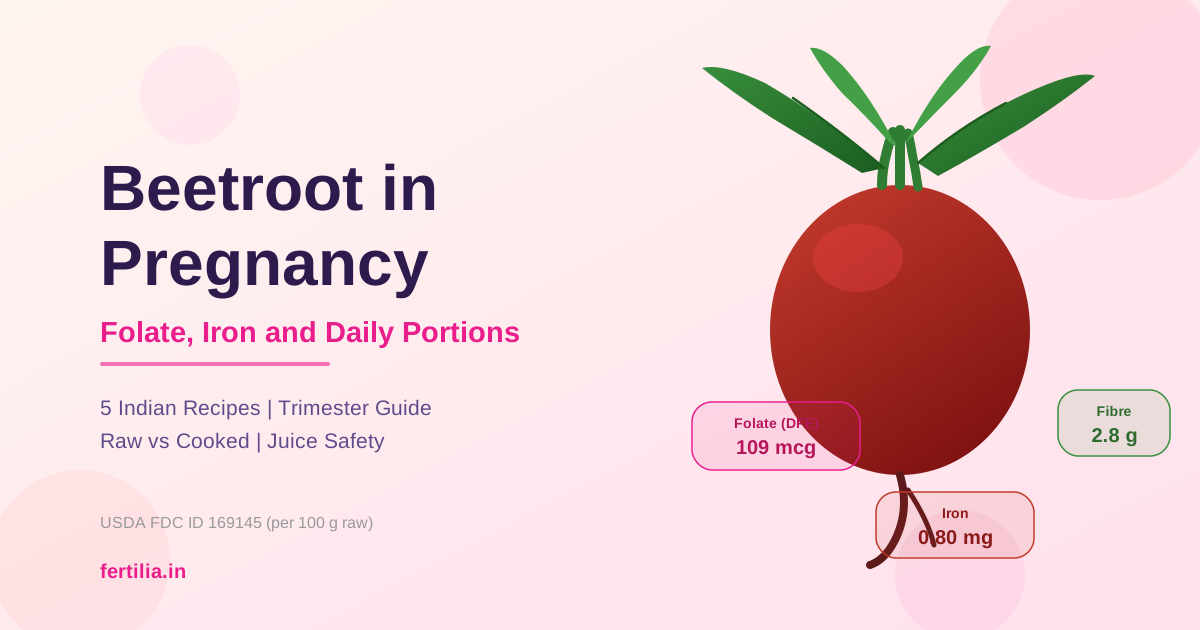
Source: USDA Food Data Central, ID 169145 (Beets, raw)
| Nutrient | Per 100 g (raw) |
|---|---|
| Energy | 43 kcal |
| Protein | 1.6 g |
| Fat | 0.2 g |
| Carbohydrates | 9.6 g |
| Dietary fibre | 2.8 g |
| Natural sugars | 6.8 g |
| Folate (DFE) | 109 mcg |
| Iron | 0.80 mg |
| Vitamin C | 4.9 mg |
| Calcium | 16 mg |
| Potassium | 325 mg |
| Manganese | 0.33 mg |
One medium beetroot (about 80-100 g, the size of a cricket ball) provides 87-109 mcg of folate. That is a meaningful contribution toward your daily pregnancy folate target. For more on folate forms and daily targets in pregnancy, see our folate vs folic acid guide for pregnancy.
Cooking affects the folate content: boiled beetroot (USDA FDC ID 169147) retains around 80 mcg of folate per 100 g compared to 109 mcg in raw. Vitamin C drops from 4.9 mg to 3.6 mg after boiling. Iron stays nearly the same at 0.79 mg cooked vs 0.80 mg raw.
Beetroot also contains naturally occurring dietary nitrates, found in many vegetables. Beetroot’s full nutritional role in pregnancy is covered in our first trimester symptoms and nutrition guide. Beetroot is a much-loved food for energy in Indian kitchens. If you often feel tired despite eating well, Dr. Suganya’s 3-test checklist for constant tiredness explains what’s worth looking at.
Beetroot Names Across Indian Languages
| Language | Region | Name |
|---|---|---|
| Hindi | North India, UP, MP, Bihar | Chukandar |
| Punjabi | Punjab, Haryana | Chukandar |
| Tamil | Tamil Nadu | Beetroot / Bit kaay |
| Telugu | Andhra Pradesh, Telangana | Beetroot |
| Kannada | Karnataka | Beetroot |
| Malayalam | Kerala | Beet |
| Bengali | West Bengal | Beet / Bitrut |
| Marathi | Maharashtra | Beetroot |
Most Indian vegetable markets stock beetroot throughout the year. The sweetest and most tender roots come in from October to April.
How Much Beetroot to Eat in Pregnancy
One medium beetroot (80-100 g) is the standard daily portion for pregnant women.
| Life Stage | Daily Amount | Notes |
|---|---|---|
| First trimester (weeks 1-12) | 80-100 g | Start from week 6-7 once nausea settles. Raw or lightly cooked works. |
| Second trimester (weeks 13-26) | 80-120 g | Good time to increase. Add to daily cooking, salads, or raita. |
| Third trimester (weeks 27-40) | 80-100 g | Continue regularly. Pair with lemon juice or amla. |
| PCOS (pre-conception) | 80 g, 4-5 times per week | A useful addition to a PCOS-supportive diet. See our PCOS diet chart for the complete Indian food plan. |
| Postpartum (first 6 months) | 80-100 g daily | Iron needs remain elevated through breastfeeding. Add to daily cooking. See our after delivery food guide for the full postpartum diet. |
Beetroot contains 6.8 g of natural sugars per 100 g. If your doctor has asked you to monitor blood sugar closely, count beetroot as part of your carbohydrate intake for the day. Our gestational diabetes food guide has trimester-by-trimester planning for this.
Want a trimester-specific meal plan built around your test reports?
Dr. Suganya Venkat’s team at Fertilia Health creates personalised food plans for pregnancy based on your blood work, current symptoms, and what your kitchen already has. No supplements to buy, just practical guidance.
Raw vs Cooked Beetroot: Which Is Better?
| Form | Folate per 100 g | Iron | Vitamin C | Fibre | Best Used In |
|---|---|---|---|---|---|
| Raw (grated) | 109 mcg | 0.80 mg | 4.9 mg | 2.8 g | Kachumber salad, raita, fresh juice |
| Boiled (no salt added) | 80 mcg | 0.79 mg | 3.6 mg | 2.0 g | Sambar, sabzi, paratha dough, kanji |
Practical takeaways:
- Eat raw grated beetroot 2-3 times a week (in salads and raita) for higher folate
- Use cooked beetroot in sambar, dal, and parathas on other days
- Both forms are valuable. Variety in preparation is better than sticking to one method
About red staining: Beetroot stains cutting boards, hands, and clothes. Use a steel plate or plastic board for grating. A squeeze of lemon on stained hands usually helps lift the colour.
Beetroot Juice in Pregnancy: Safe Amount and How to Have It
Beetroot juice is safe during pregnancy in small amounts. The key points:
- Start small: Begin with 50 ml of fresh juice mixed with 50 ml of water (100 ml total), once every two days in the first trimester
- Increase gradually: Move to 100 ml diluted juice daily from the second trimester, if your stomach tolerates it
- Always dilute: Undiluted beetroot juice can cause temporary pink or red discolouration of urine and stools (called beeturia). This is harmless, but diluting reduces this effect
- Prefer whole beetroot for fibre: 100 ml of juice has very little fibre compared to the 2.8 g in 100 g of whole beetroot. If pregnancy constipation is a concern, whole cooked beetroot in your dal or sabzi is better than juice
- Sugar note: 100 ml of beetroot juice contains approximately 6-7 g of natural sugars. If you are tracking carbohydrates for gestational diabetes, count this alongside your meal
5 Indian Beetroot Recipes for Pregnancy
1. Beetroot Raita
A simple, cooling side that pairs with any Indian meal.
Ingredients:
- 1 medium beetroot (80-100 g), peeled and grated raw
- 1 cup thick dahi (full fat)
- 1/2 tsp roasted jeera powder
- Salt to taste
- A few kadi patta leaves, finely chopped
- 1 tsp ghee (optional, for tempering)
Method:
- Whisk dahi until smooth.
- Fold in the grated raw beetroot.
- Season with jeera powder and salt.
- Heat ghee in a small pan, add kadi patta, and pour the tempering over the raita. Serve chilled.
Portions: One bowl (about 200 g) as a side with rice or roti.
2. Beetroot Paratha
A north Indian staple that folds beetroot into everyday bread.
Ingredients (makes 3-4 parathas):
- 1 cup whole wheat atta
- 1 medium beetroot (100 g), peeled and finely grated
- 1/4 tsp ajwain
- Salt to taste
- Ghee for cooking
Method:
- Mix grated beetroot into the atta with ajwain and salt. Beetroot releases moisture as it sits, so knead slowly and add plain water only if the dough feels too dry.
- Divide into 3-4 equal portions and roll each into a circle.
- Cook on a tawa on medium flame, pressing gently with a folded cloth. Apply ghee on each side.
- Serve hot with dahi or green chutney.
Portions: Two parathas with dahi as a morning or evening meal.
3. Beetroot Kanji (Fermented Drink)
A probiotic fermented drink from Punjabi and Rajasthani kitchens. Traditionally made with black carrots (kali gajar), the beetroot version is now common across north and central India.
Ingredients:
- 2 medium beetroots (200 g), peeled and cut into thick batons
- 6 cups filtered water
- 1 tbsp black mustard seeds (rai), coarsely ground
- 1 tsp rock salt (sendha namak) or regular salt
- A small pinch of hing
Method:
- Place beetroot batons in a clean glass jar (at least 1 litre capacity).
- Mix water with ground mustard, salt, and hing. Pour over the beetroot pieces.
- Cover with a piece of clean muslin cloth tied with a rubber band. This allows air in while keeping dust out.
- Leave in a sunny spot for 2 days in summer, or 3-4 days in cooler months. The kanji will develop a sour, tangy smell and flavour.
- Strain and drink 100-150 ml at a time. Store the remaining kanji in the refrigerator.
Pregnancy note: Start with 100 ml once daily. The natural fermentation makes kanji mildly acidic. If you have heartburn or acidity (both common in pregnancy), take a smaller portion or skip on difficult days.
4. Beetroot Kachumber (Raw Salad)
A crisp raw salad that keeps folate content at its highest.
Ingredients:
- 1 medium beetroot (80 g), peeled and grated
- 1 small cucumber, grated or finely diced
- 1 small tomato, finely chopped
- Juice of half a lemon
- A handful of fresh coriander leaves, chopped
- Salt and jeera powder to taste
Method:
- Combine grated beetroot, cucumber, and tomato in a bowl.
- Squeeze lemon juice over the mixture and toss.
- Add salt, jeera powder, and coriander. Mix well and serve within 10-15 minutes (the colour bleeds into other vegetables over time).
Portions: One serving (about 100-120 g) as a side salad or light snack.
5. Beetroot Sambar
A South Indian staple that incorporates beetroot naturally into a dal-based dish.
Ingredients:
- 3/4 cup toor dal, soaked for 30 minutes
- 1 medium beetroot (100 g), peeled and diced into 1 cm cubes
- 1 medium tomato, chopped
- 1 small onion, chopped
- 2 tsp sambar powder
- 1 tsp tamarind paste
- Salt to taste
- Tempering: 1 tsp oil, 1/2 tsp mustard seeds, 1 dried red chilli, 8-10 curry leaves
Method:
- Pressure cook toor dal and diced beetroot together with 2 cups water for 3-4 whistles, until both are soft.
- Mash the dal lightly. Add tomato, onion, sambar powder, tamarind paste, and salt.
- Simmer on medium heat for 10-12 minutes, adding water to reach the consistency you prefer.
- Heat oil in a small pan, add mustard seeds until they splutter, then add dried chilli and curry leaves. Pour this tempering over the sambar.
- Serve hot with rice, idli, or dosa.
Portions: 150-200 ml per serving as part of a balanced meal. The toor dal adds protein alongside the iron in beetroot.
Buying and Storage Guide
What to look for at the market:
- Firm, smooth surface with no soft spots or wrinkled skin
- Deep red-purple colour throughout. Pale or brownish roots are old.
- Fresh green leaves at the top indicate a recently harvested root. The leaves are edible, so ask the vendor to leave them on.
How to store beetroot:
- Whole, unwashed: refrigerate in a perforated plastic bag for up to 2-3 weeks
- Cooked: in an airtight container in the refrigerator for up to 3 days
- Grated raw: oxidises within 2-3 hours. Use immediately, or store in a lemon juice-coated container for up to one day
- Beetroot kanji: keeps in the refrigerator for 5-7 days after the fermentation period
Frequently Asked Questions
1. Is beetroot safe to eat in the first trimester?
Yes. Beetroot is safe from the beginning of pregnancy. The folate content (109 mcg per 100 g raw) makes it particularly valuable in the first trimester. Start with small amounts (50 g) if you are managing morning nausea, and build to 80-100 g daily once your appetite returns.
For more on this, read our guide on Watermelon in Pregnancy.
For more on this, read our guide on Pomegranate During Pregnancy. 2. Can beetroot cause or worsen gestational diabetes?
Beetroot contains about 6.8 g of natural sugars per 100 g and has a moderate glycaemic index. A standard daily serving of 80-100 g is unlikely to cause problems for most women. If you have been diagnosed with gestational diabetes, count beetroot as part of your daily carbohydrate allowance and check portions with your dietitian. Our gestational diabetes food guide has specific trimester-by-trimester guidance.
3. How much beetroot juice is safe in pregnancy?
Up to 100 ml of fresh beetroot juice, diluted 1:1 with water, once daily is a practical starting point. Introduce it gradually, especially in the first trimester. Whole cooked beetroot is preferable if you have pregnancy constipation, since juice has very little fibre compared to whole beetroot.
4. My urine turned pink after eating beetroot. Should I be worried?
No. This is called beeturia and it is completely harmless. It affects about 10-14% of people. The red pigment in beetroot (betacyanin) passes through the digestive system and can turn urine or stools pinkish. It usually resolves within 24-48 hours. If you are ever uncertain, contact your doctor.
5. Can I eat beetroot leaves during pregnancy?
Yes. Beetroot leaves are edible and nutritious. They contain folate, calcium, and iron. Add them to dal, stir-fry with garlic and jeera, or wilt them into soups. Wash leaves thoroughly before cooking.
6. How does beetroot compare to spinach for iron in pregnancy?
Spinach contains more iron per 100 g (2.7 mg) compared to beetroot (0.80 mg). Beetroot’s main strength is its folate content (109 mcg per 100 g raw). Both belong on your pregnancy plate. For a complete list of iron-rich Indian vegetables, grains, and dals, see our iron-rich foods in pregnancy guide.
7. When is beetroot at its sweetest in India?
Beetroot is available year-round in Indian markets, but the sweetest and most tender roots come in from October to April. Summer beetroot (May to September) can be slightly more fibrous, though it remains equally nutritious and safe to eat throughout.
Pregnancy nutrition does not have to be complicated.
Dr. Suganya Venkat’s team at Fertilia Health creates trimester-specific meal plans based on your blood reports, current symptoms, and what your kitchen already has. Simple, practical, and personal.