Names have been changed to protect patient privacy. Clinical details and images are shared with the couple’s consent.
Some couples arrive at Fertilia carrying years of struggle: a diagnosis, a failed treatment, a folder of reports. Deepak and Banu arrived with none of that. Her cycles were regular. Their reports were clean. There was nothing for a doctor to circle in red.
What they had instead was a very specific kind of modern Indian life: two IT jobs, two laptops, two chairs, and almost no daylight between work and sleep. This is the story of what changed, and what followed.
Two IT Jobs and a Decision Not to Wait
Banu was 25, working in customer support for an IT company. Her team ran on rotating shifts, 2 PM to 11:30 PM on some rotations, 6 AM to 3:30 PM on others. Sleep happened where it could; some days the office cab was the quietest place to close her eyes. Breakfast on most days was a glass of milk at 8:30, with lunch arriving at 2 PM. On a typical night she slept four to six hours.
Deepak was 29, an IT consultant working entirely from home on a 2 PM to 11 PM schedule. Home office, in his case, meant the bed: hours of continuous sitting with the laptop, day after day. Movement was a weekend walk or jog, when the week allowed it.
They had been married two and a half years, and they were ready for a baby. After a few months of trying without the second line they were hoping for, they made a choice that still stands out to us: they went looking for guidance early. In their own words:
“We were trying for a baby for three months and decided to seek guidance from a certified doctor. During that time, we learned about the program through Instagram, and we first attended the pre-pregnancy webinar by Suganya Ma’am.”
We want to say something clearly here, because it matters. A few months of trying without a pregnancy, at 25, with regular cycles, is well within normal. Most healthy couples conceive within a year, and nothing about their early months suggested a medical problem. Deepak and Banu were not looking for a rescue. They wanted a head start: a proper preconception check for both partners, and honest guidance on whether their daily routine was helping them or quietly working against them.
What the Reports Said, and What They Could Not Say
Before joining, both of them completed a health checkup, and Dr. Suganya reviewed the reports with them. Banu stood 155 cm and weighed 48 kg, a BMI of 20, comfortably in the healthy range. Her periods had been regular since she was 12: a 30-day cycle, three to five days of normal flow, no pain. The only entry in her history was her father’s diabetes. Deepak was 173 cm and 73 kg, a BMI just over 24.
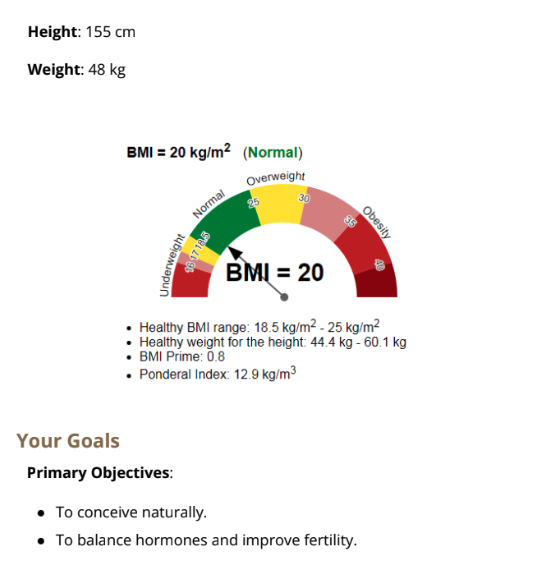
Her goals on the intake form were simple: to conceive naturally, and to balance hormones and improve fertility.
The findings that shaped their plan never appeared on a lab report. They appeared in the routine questions. Four to six hours of sleep. A breakfast of milk alone. A five-and-a-half-hour gap to lunch. Two jobs done almost entirely sitting, one of them from the bed. Exercise compressed into weekends. Stress running through all of it.
None of these things stops a couple from conceiving on its own, and we would never tell a young couple otherwise. But research does connect each of them to fertility in measurable ways. Disturbed and shortened sleep affects the hormonal axis that drives ovulation (Kloss et al., 2015, Sleep Medicine Reviews). A meta-analysis of over 1,00,000 women found shift work associated with higher rates of menstrual disruption and difficulty conceiving (Stocker et al., 2014, Obstetrics & Gynecology). And in men, more sedentary time has been linked with poorer semen quality, while moderate regular exercise is associated with better counts (Gaskins et al., 2015, British Journal of Sports Medicine). These are levers, and the encouraging part is that every one of them can be moved.
The Plan: Rebuilding the Day Without Quitting the Job
Nobody asked Deepak and Banu to resign, move cities or become gym people. The plan was built inside the life they already had.
Food came first. Our nutritionist worked out a fertility-focused plan for each of them: roughly 1,400 kcal with 66 g of protein for Banu, and 2,000 kcal with 88 g of protein for Deepak. They preferred to avoid white rice, so the plan leaned on millets and whole grains they enjoyed. Breakfast stopped being a glass of milk and became a meal.
Their plates from those months tell the story better than any chart:
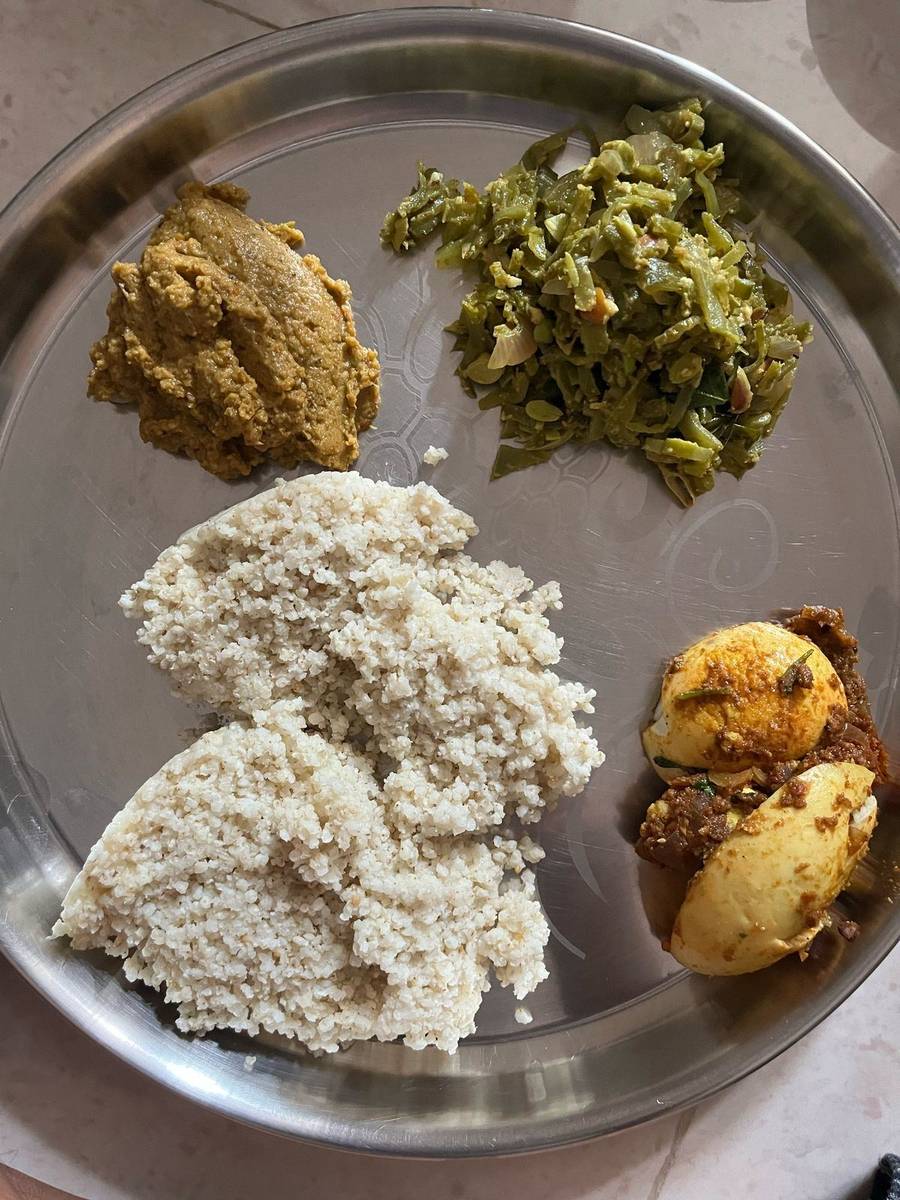
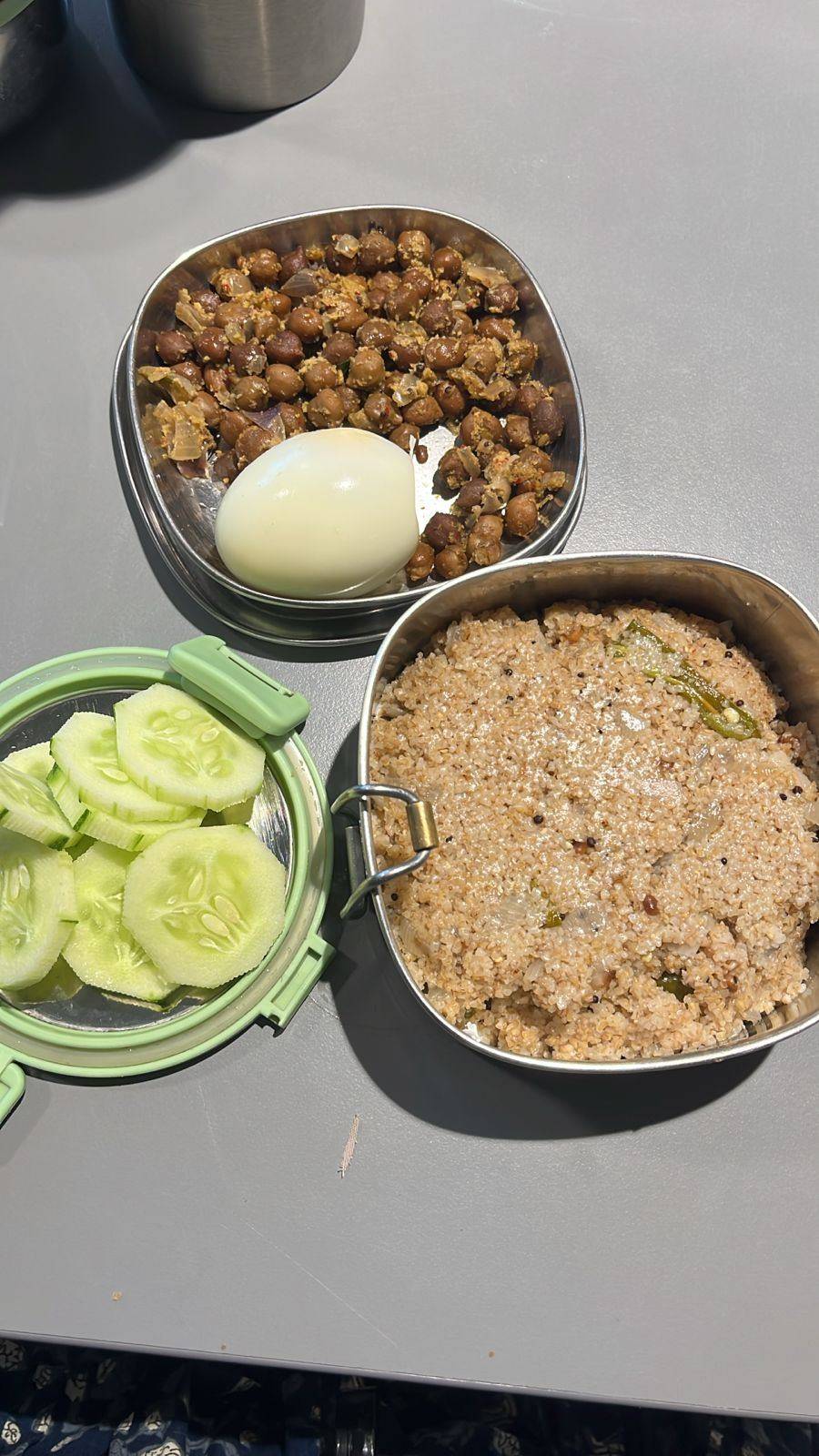
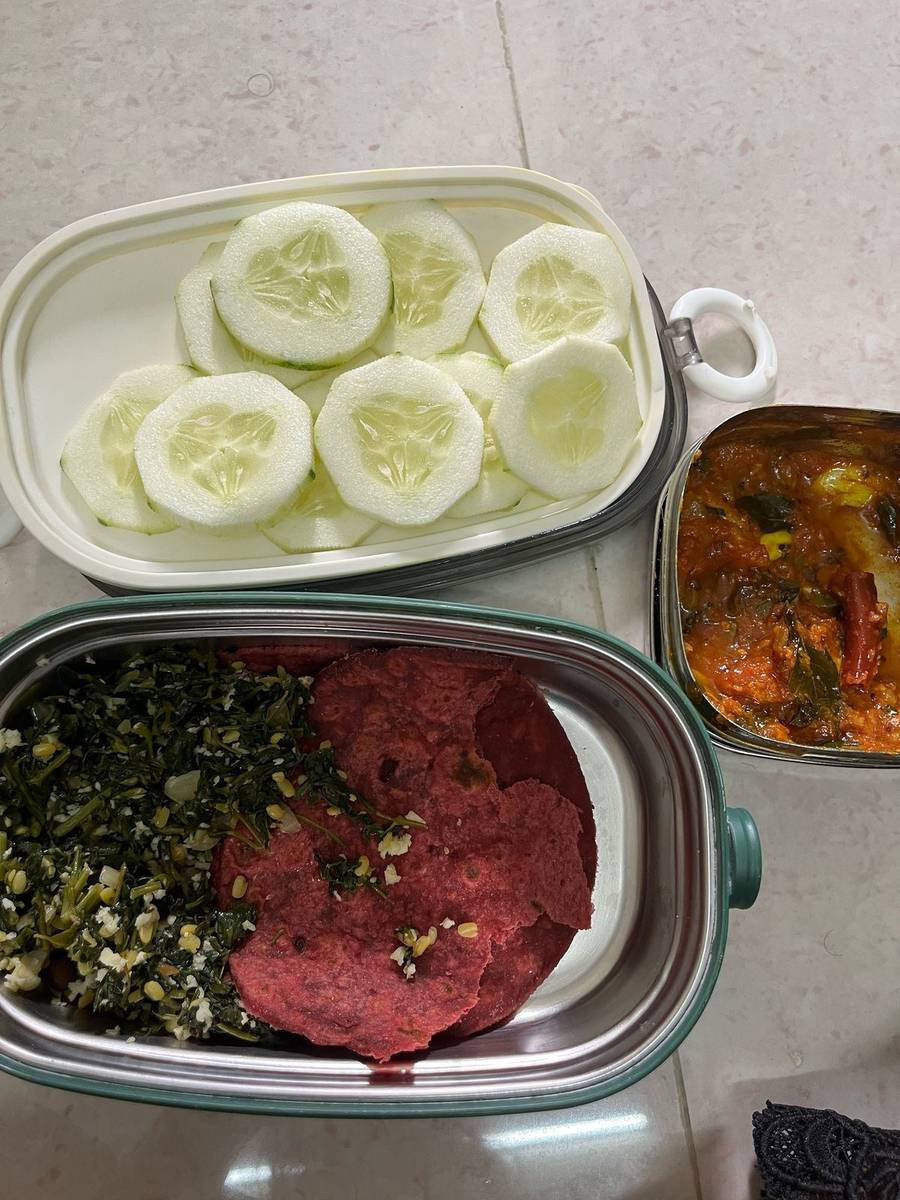
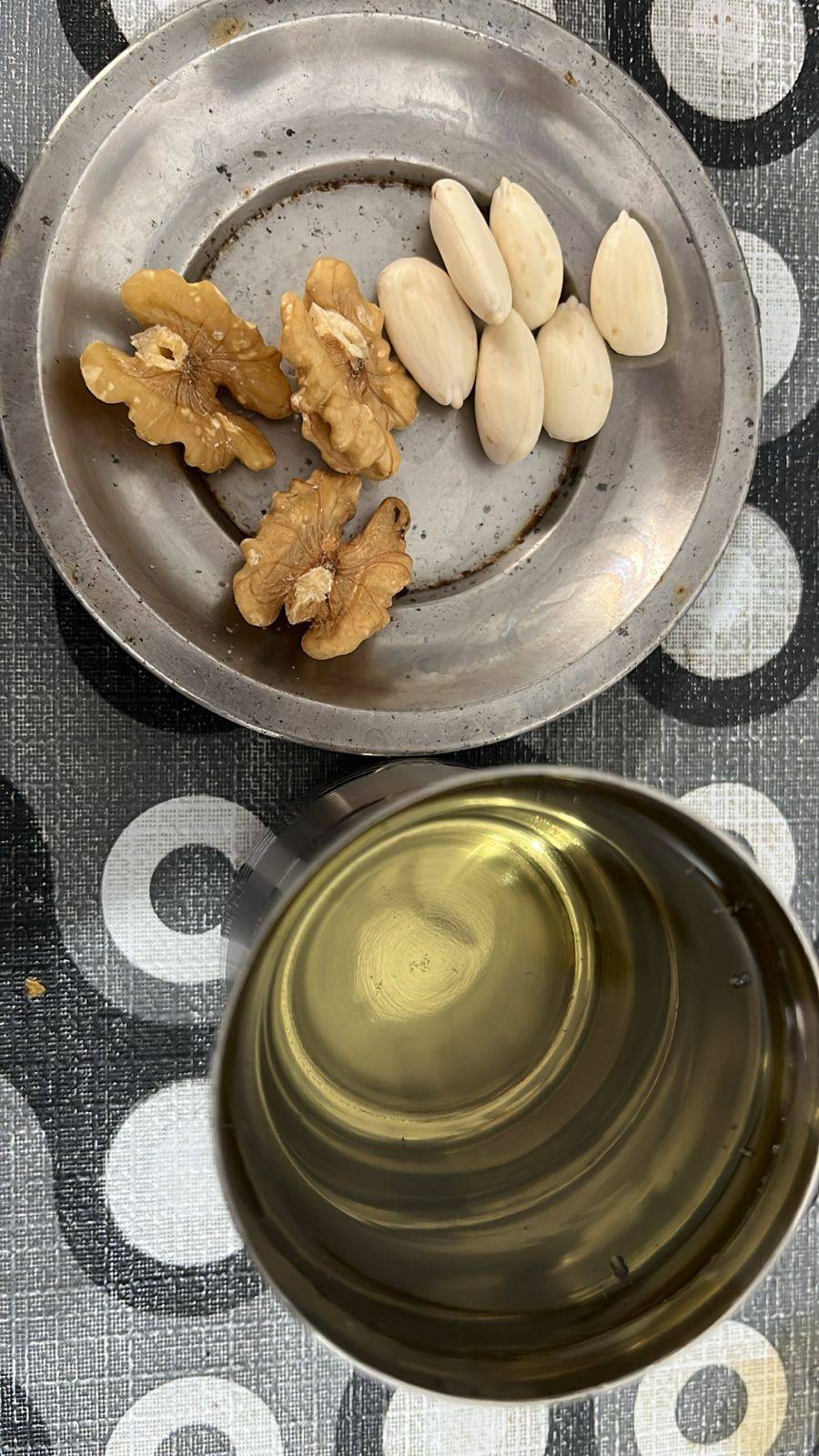
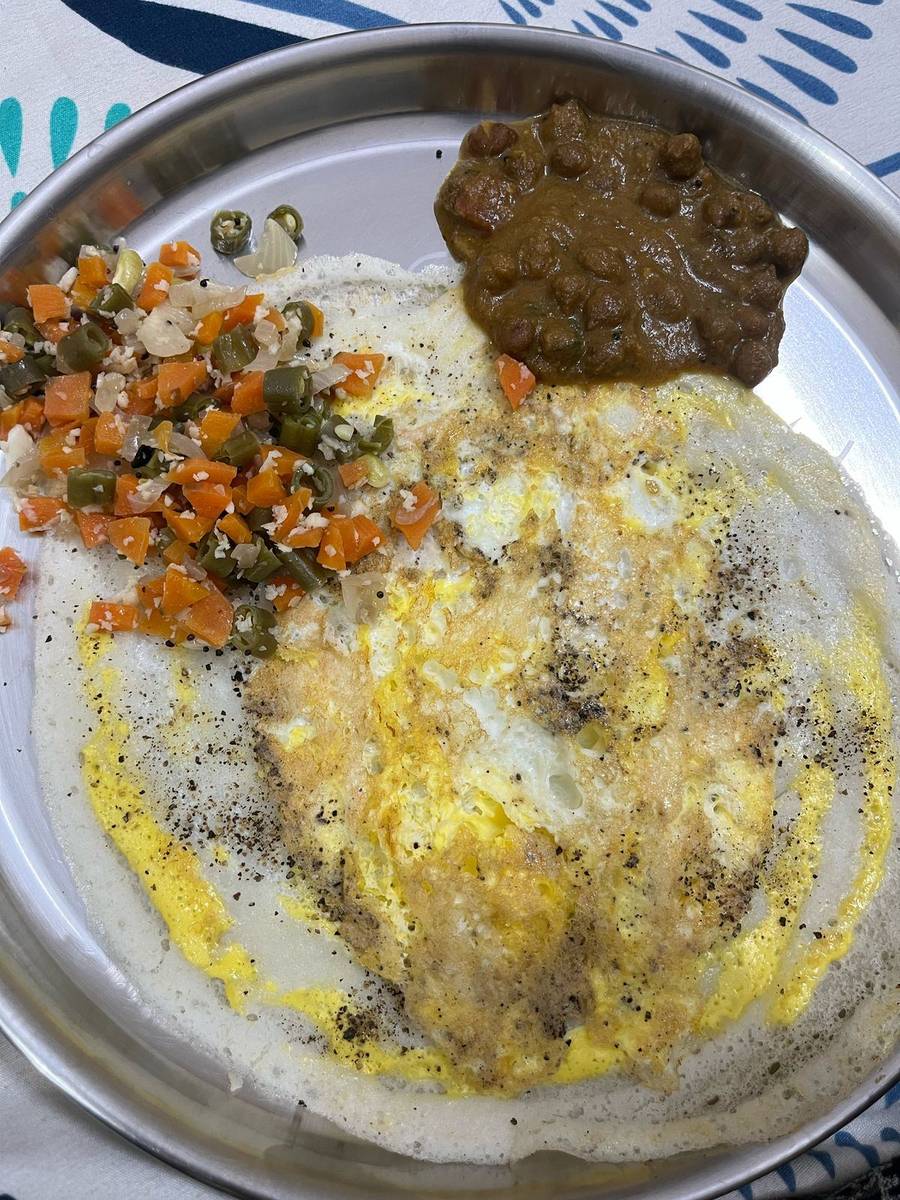
Idlis, aappams, sundal, poriyals, eggs, soaked nuts in the morning: nothing exotic, nothing imported, just familiar Tamil home food rebalanced for protein and portioned for two different bodies with two different targets.
Movement was designed for desk-bound days. Gentle couple workouts and stretches they could do together at home, walking slotted around their shifts, and a conscious effort to break up the long sitting stretches, especially for Deepak, whose entire workday had been spent on the bed.
Sleep and stress were treated as part of fertility, not extras. Wind-down routines around their odd shift timings, and mindfulness sessions to help them relax and reconnect after work hours that ended close to midnight.
And running underneath all of it: daily check-ins with the team. As they later wrote, “The team was very supportive, checked in with us often, and provided feedback every day. We both consistently followed the program.”
If your days look like theirs, two desk jobs and very little left over for yourselves, Dr. Suganya consults online across India. Talk to Dr. Suganya on WhatsApp →
They Did It as a Couple
The detail Dr. Suganya keeps returning to about these two is that neither of them treated this as the other person’s project. A pregnancy needs an egg and a sperm, and the health behind both. The same months of better food, more movement and earlier nights served her cycles and his sperm production at the same time, the way it did for Swathi and Vikram in another couple’s story.
When one of them had a tired day, the other held the routine. They ate the same meals, walked together, and sent their updates to the team as a unit. Where many couples split into one person dieting while the other orders biryani, these two moved in step.
The 4:20 AM Message
In their very first month on the program, Banu’s period did not arrive. One morning, at 4:20 AM, a message reached Dr. Suganya:
“Good morning mam. I tested this morning and got 2 lines.”
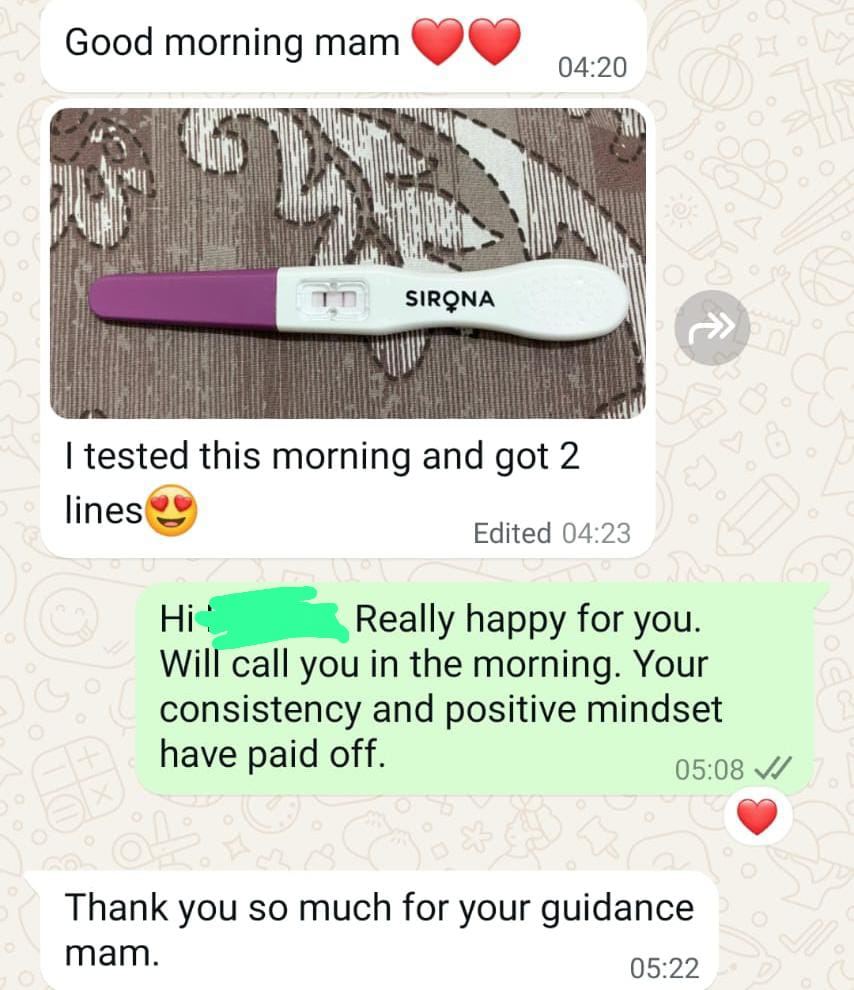
Dr. Suganya’s reply that morning said what mattered: “Really happy for you. Will call you in the morning. Your consistency and positive mindset have paid off.”
A word on attribution, because we owe every reader this honesty. One month is at the fast end of any timeline, and no program can promise it. Plenty of couples conceive in their first months of trying with no guidance at all, and plenty of couples on excellent routines need longer. What we can say is this: Deepak and Banu walked into that month with better-fuelled bodies, more movement, steadier sleep and far less anxiety than the months before, and with a clear understanding of their fertile window. Those things stack the odds in the right direction. The result was theirs.
From Two Lines to a Baby Girl
The pregnancy that followed was smooth, and the team stayed alongside them through it. Months later, another early-morning message arrived, this one at 4:52 AM:
“Blessed with girl baby. Fertilia’s baby ❤️”

Two people who once scheduled their lives around server time and shift rosters are now parents, scheduling their lives around a small girl who has opinions about sleep of her own.
In Their Own Words
After their daughter arrived, Banu wrote a long note to the team. Parts of it explain the program better than we ever could:
“The best decision we ever made was joining this program, and we saw fruitful results from it. The program was incredibly helpful, focusing on diet, exercise, and lifestyle changes. We received personalized guidance on what to eat, how much we should eat, how to exercise, effective stress management techniques, and improving sleep quality.”
“Within a month, a miracle happened. We found out we were pregnant! We couldn’t believe it and were both overjoyed. We are forever grateful to Dr. Suganya and her team. They took care of us as if we were family rather than just patients.”
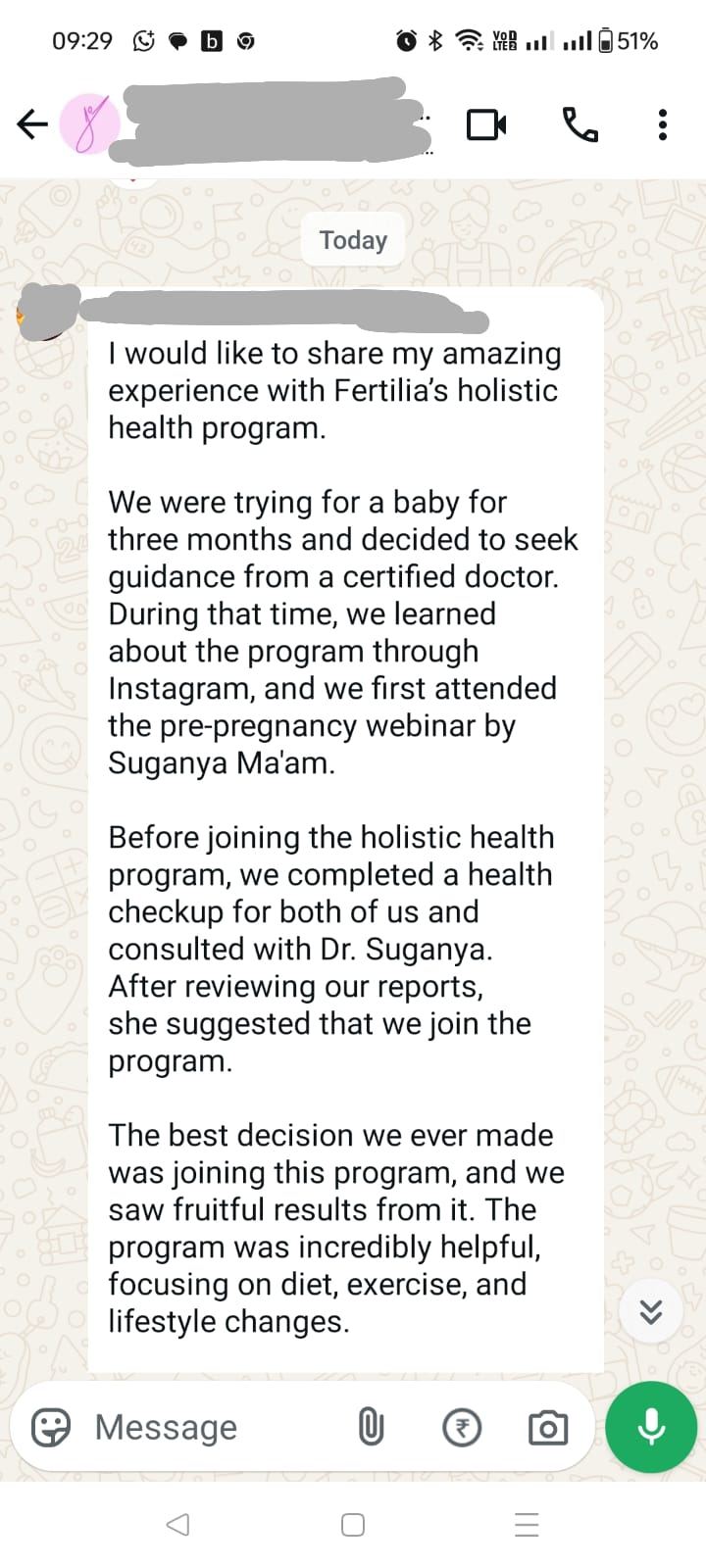
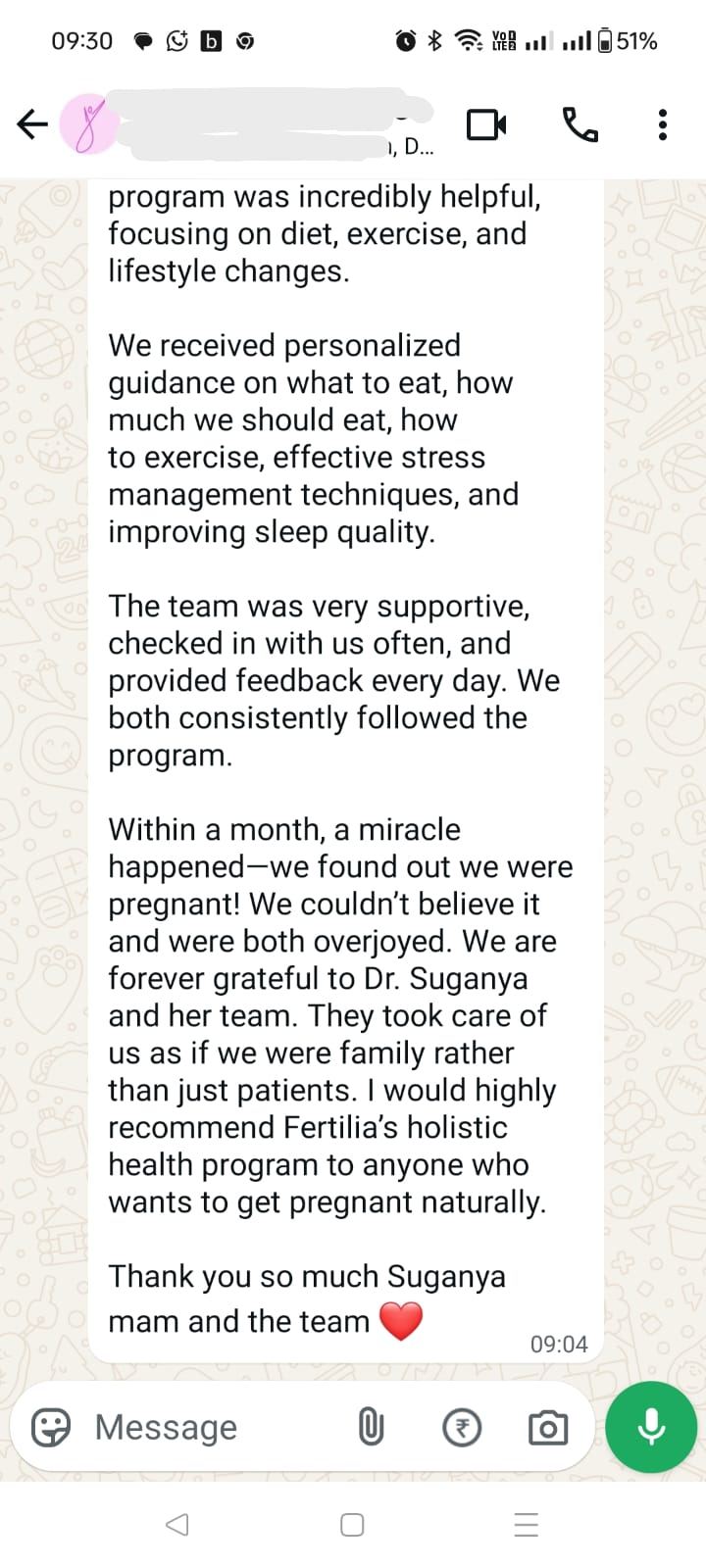
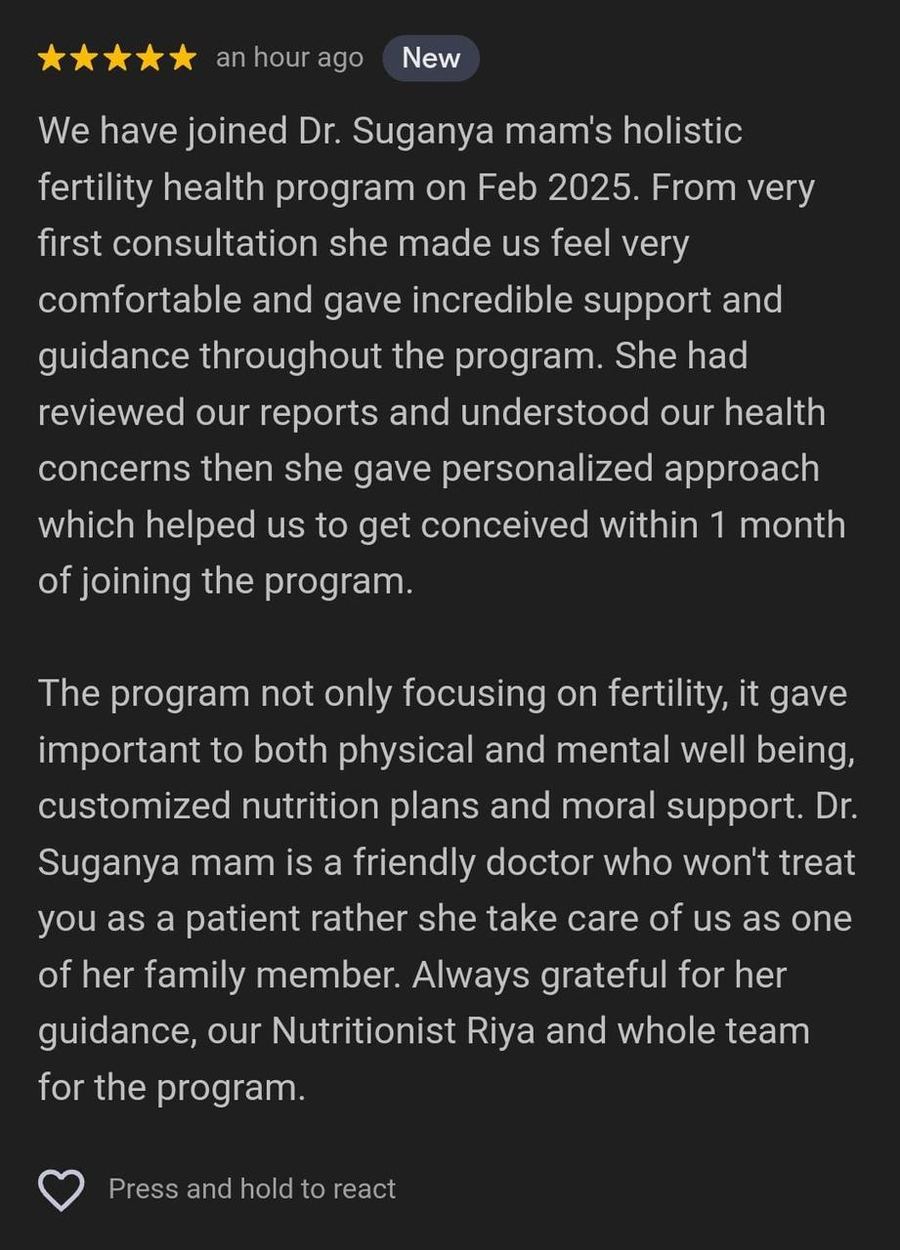
They also left a review for other couples to find:
“The program not only focusing on fertility, it gave important to both physical and mental well being, customized nutrition plans and moral support. Dr. Suganya mam is a friendly doctor who won’t treat you as a patient rather she take care of us as one of her family member.”
Dr. Suganya’s Note
“Deepak and Banu are the kind of couple I wish every couple could see before they start trying. There was nothing alarming in their reports, and I told them so. What we worked on was the part no report shows: food that matched their shift timings, movement inside two sitting jobs, sleep that came before the scrolling, and the two of them doing all of it together rather than leaving it to her alone. They followed everything we gave them, supported each other beautifully, and their little girl is the loveliest possible ending. I am so happy for them.” (Their meal plans were guided day to day by Riya, the nutritionist on their program team.)
If Your Life Looks Like Theirs
A great deal of fertility advice assumes a problem to fix. Deepak and Banu’s story is about something quieter and more common: two healthy people whose work had slowly squeezed out the basics their bodies needed, and who fixed that early, together, with everyday food and routine rather than anything drastic.
If you are in an IT job, a night shift, a work-from-home role where the bed has become the office, none of that means you cannot conceive. It means you have levers. Their story shows how much can move when both partners pull them at the same time.
You can read more journeys like this one on our stories page, or explore how our fertility program works with couples one-on-one, fully online, wherever you are in India.
Dr. Suganya and the Fertilia team consult online across India. The first step is a conversation. Start a conversation with Dr. Suganya on WhatsApp →
Frequently Asked Questions
Did Deepak and Banu have a diagnosed fertility problem?
No. Her cycles were regular, both their reports were normal, and there was no condition to treat. After a few months of trying, they chose to take guidance early rather than wait and worry. Their plan focused on the lifestyle layer: nutrition, movement, sleep and stress, alongside a proper preconception health check for both partners.
How quickly did they conceive after joining the program?
They conceived in their first month on the program, which they shared in their own testimonial and Google review. We are careful about this number: one month is at the fast end of any timeline, many couples on excellent routines need longer, and no honest program promises a date. Every couple’s biology and starting point differ.
Can a sitting job or work-from-home routine affect fertility?
Long sedentary hours are one of the levers worth looking at, especially for men. Research has linked more sedentary time with poorer semen quality, while men with regular moderate exercise showed better counts (Gaskins et al., 2015, British Journal of Sports Medicine). The practical fix is rarely dramatic: planned movement breaks, daily walks and simple home workouts, the way Deepak’s plan was built.
Do rotating shifts or night shifts affect periods and fertility?
Shift work is associated with higher rates of menstrual disruption and difficulty conceiving in large pooled analyses (Stocker et al., 2014, Obstetrics & Gynecology). Association is not destiny: many shift workers conceive without difficulty. If your cycles are regular, the focus is on protecting sleep quality and meal timing around the roster, which is exactly how Banu’s plan handled her 2 PM to 11:30 PM rotations.
How much sleep matters when you are trying to conceive?
Most adults do best on 7 to 9 hours, and research connects disturbed or shortened sleep with changes in the hormonal signals that drive ovulation (Kloss et al., 2015, Sleep Medicine Reviews). Banu was averaging 4 to 6 hours across rotating shifts, so her plan treated sleep as a fertility intervention in its own right, not an afterthought.
What did their meal plan look like?
Banu’s plan was around 1,400 kcal with 66 g of protein, and Deepak’s around 2,000 kcal with 88 g of protein. Since they preferred to avoid white rice, meals were built on millets, broken wheat and whole grains: idlis, aappams, beetroot chapatis, chana sundal, greens poriyals, eggs, and soaked walnuts and almonds each morning. Familiar Tamil food, rebalanced rather than replaced.
Should the husband join a fertility program too?
A pregnancy draws on the health of both partners, and sperm production responds to the same food, movement, sleep and stress factors over roughly a 74-day cycle. Beyond the biology, couples who change habits together hold them far better. Deepak and Banu followed one shared routine, and that mutual support is a large part of why their first month went the way it did.
Every story we share is real, verified, and published with the patient’s consent. Names and identifying details are changed to protect privacy.